Roleplaying and Narrative Immersion in Tabletop-Inspired Games
23 December 2025
Tabletop-inspired games have carved out a unique corner in the game industry. Whether it's rolling dice in a fantasy dungeon or making tough moral decisions in a dystopian cyberpunk world, these games hinge on one core experience—roleplaying and narrative immersion. But what does that really mean? Why do some games pull us into their worlds so deeply that we forget time, skip dinner, and start talking like our characters?
Let’s break it down. We’re diving deep into how roleplaying and storytelling mechanics from classic tabletop RPGs have influenced modern games and why they resonate so strongly with us today.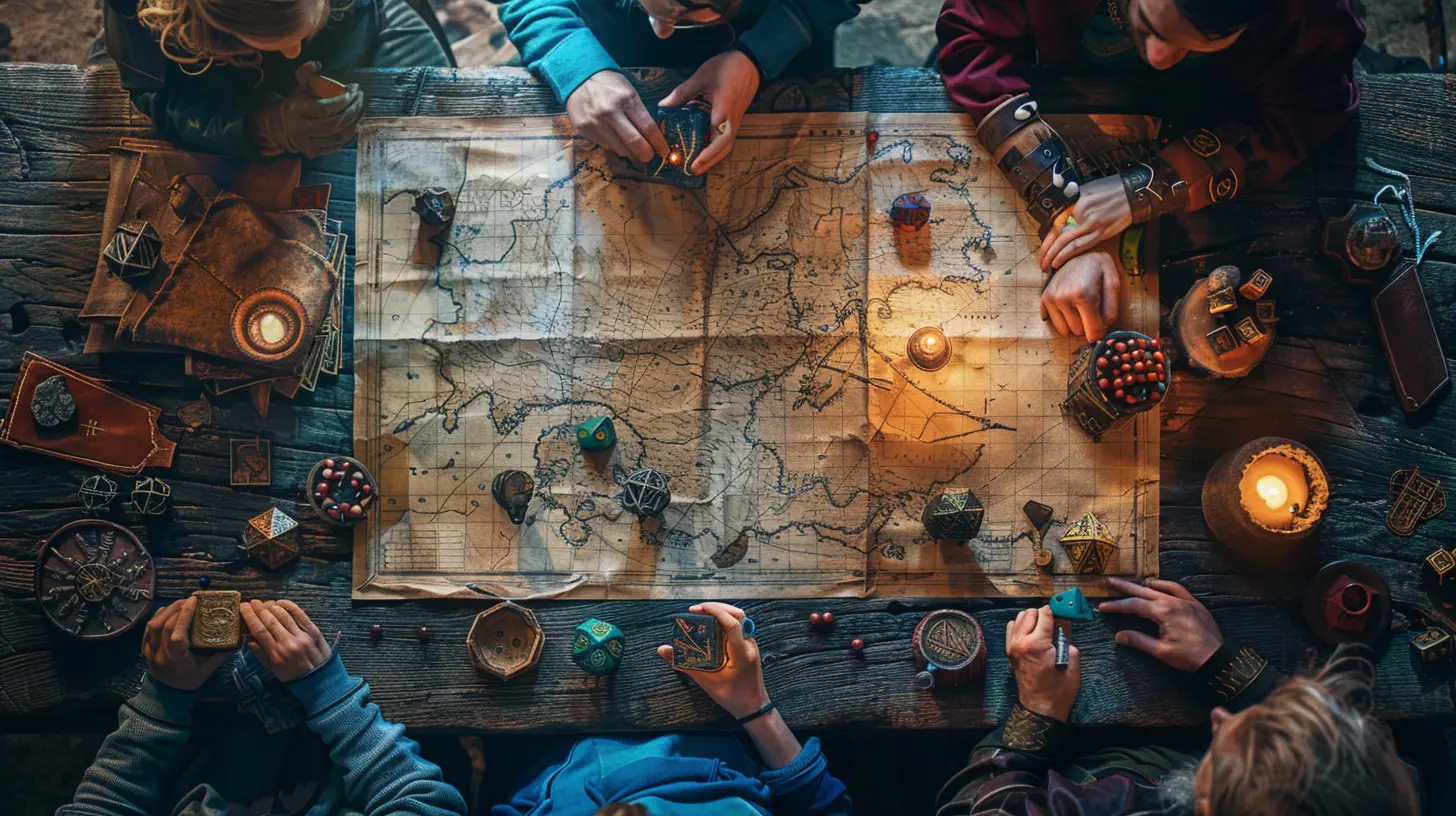
What Is Roleplaying in Tabletop-Inspired Games?
First off, let’s get on the same page. Roleplaying isn't just about putting on a funny voice or dressing up (though both can be part of it). It’s about stepping into the shoes of a character and making decisions based on their personality, goals, and worldview.In tabletop games like Dungeons & Dragons, you’re not just “playing a warrior”—you ARE that warrior. You’re not merely choosing dialogue options; you're thinking, “What would my character do here?” That mindset, once exclusive to pen-and-paper RPGs, has now become a key mechanic in countless digital games.
How Video Games Adopt Tabletop Roleplaying
Many video games borrow directly from tabletop systems. Ever notice character sheets in your favorite RPG? That’s straight out of D&D. Skill checks? Yep, tabletop again. Games like Baldur’s Gate, Divinity: Original Sin, and Pillars of Eternity all use these mechanics to let you roleplay with as much freedom and flair as you would at a real gaming table.They create situations where your choices matter. You’re not just watching a story—you’re helping to tell it.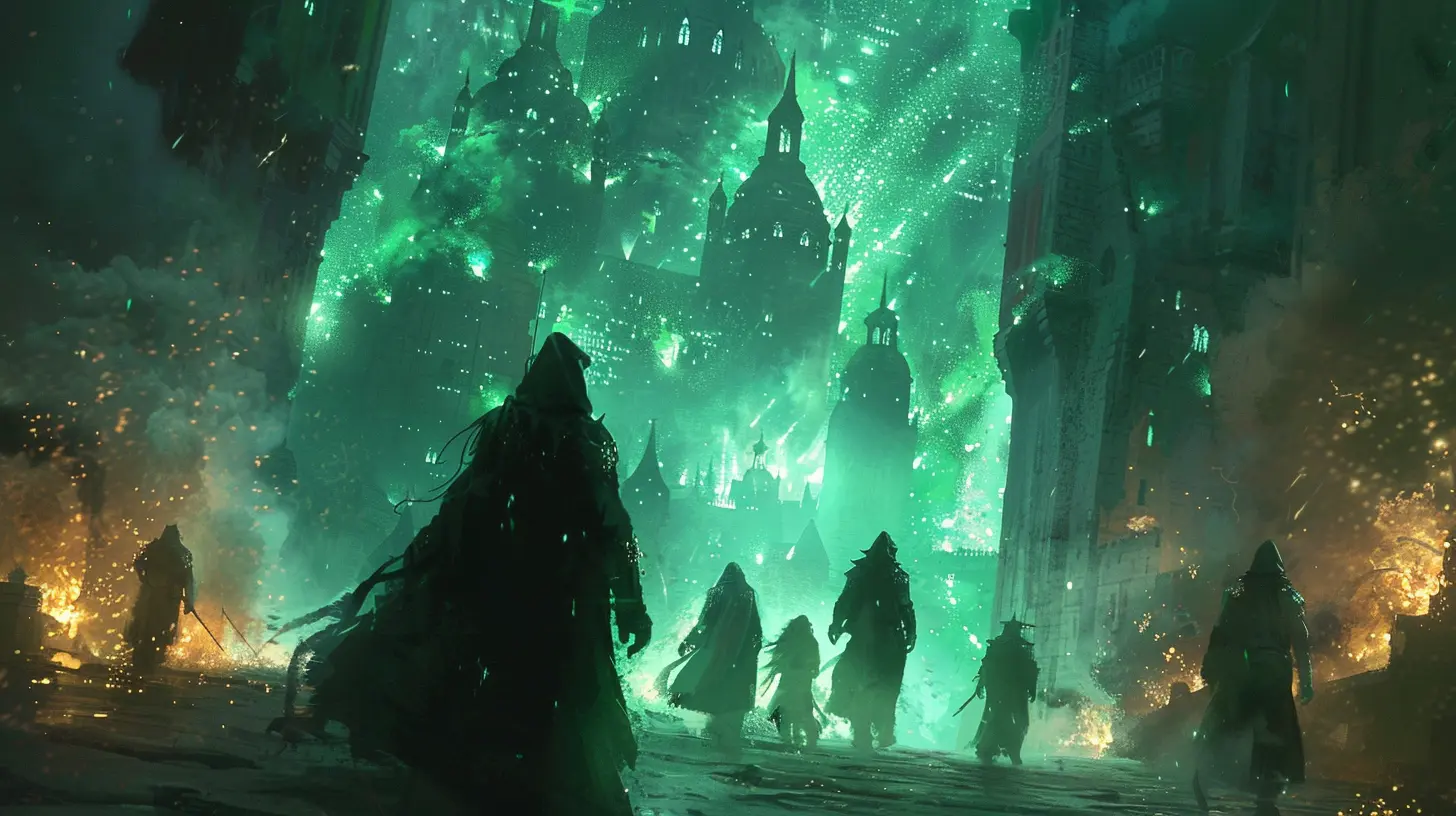
Why Narrative Immersion Hits So Hard
So, you’ve got your character. You’re making decisions, fighting monsters, charming nobles… but what really pulls you into the game world? That’s where narrative immersion comes in.When a game nails its story and characters, something magical happens: you forget you’re playing a game. You’re in that world, living that life, making those calls.
Emotional Investment Hooks You
Story-driven games excel at making you care. Think Mass Effect’s crew or The Witcher’s personal tragedies. These aren't just pixels and stats—they're people we bond with. And that’s the essence of immersion. When dialogue feels genuine and your choices carry emotional weight, you're not just playing the game—you’re feeling it.Worldbuilding: The Silent Storyteller
A richly built world can be immersive even without a single line of dialogue. Visual clues, lore books, background conversations—all of it adds layers. Games inspired by tabletop design make worldbuilding a high priority. When done right, it draws you deeper with every step.Ever spent 30 minutes reading ancient scrolls about a long-dead king? That’s narrative immersion at its finest.
Player Agency: The Power to Shape the Story
Here’s where roleplaying and immersion lock arms: giving the player control.In traditional video games, you're often just along for the ride. But in tabletop-inspired titles, the path branches. Your actions ripple across the story in ways that matter.
Choice and Consequence (Yes, It Actually Matters)
Games like Disco Elysium or Vampire: The Masquerade – Bloodlines thrive on this concept. You’re not just picking “good” or “evil”—you’re crafting nuanced narratives shaped by who your character is.Will you talk your way out of a fight or burn the whole place down? Both can be valid options. You get to explore different aspects of your character with every choice.
Dialogue Trees and Moral Dilemmas
Interactive conversations are a direct legacy of tabletop play. Instead of just ‘yes’ or ‘no’ answers, you’re given complex, character-driven dialogue options. It’s like sitting at a table with other players and a dungeon master guiding you through grey-area decisions that don’t have easy answers.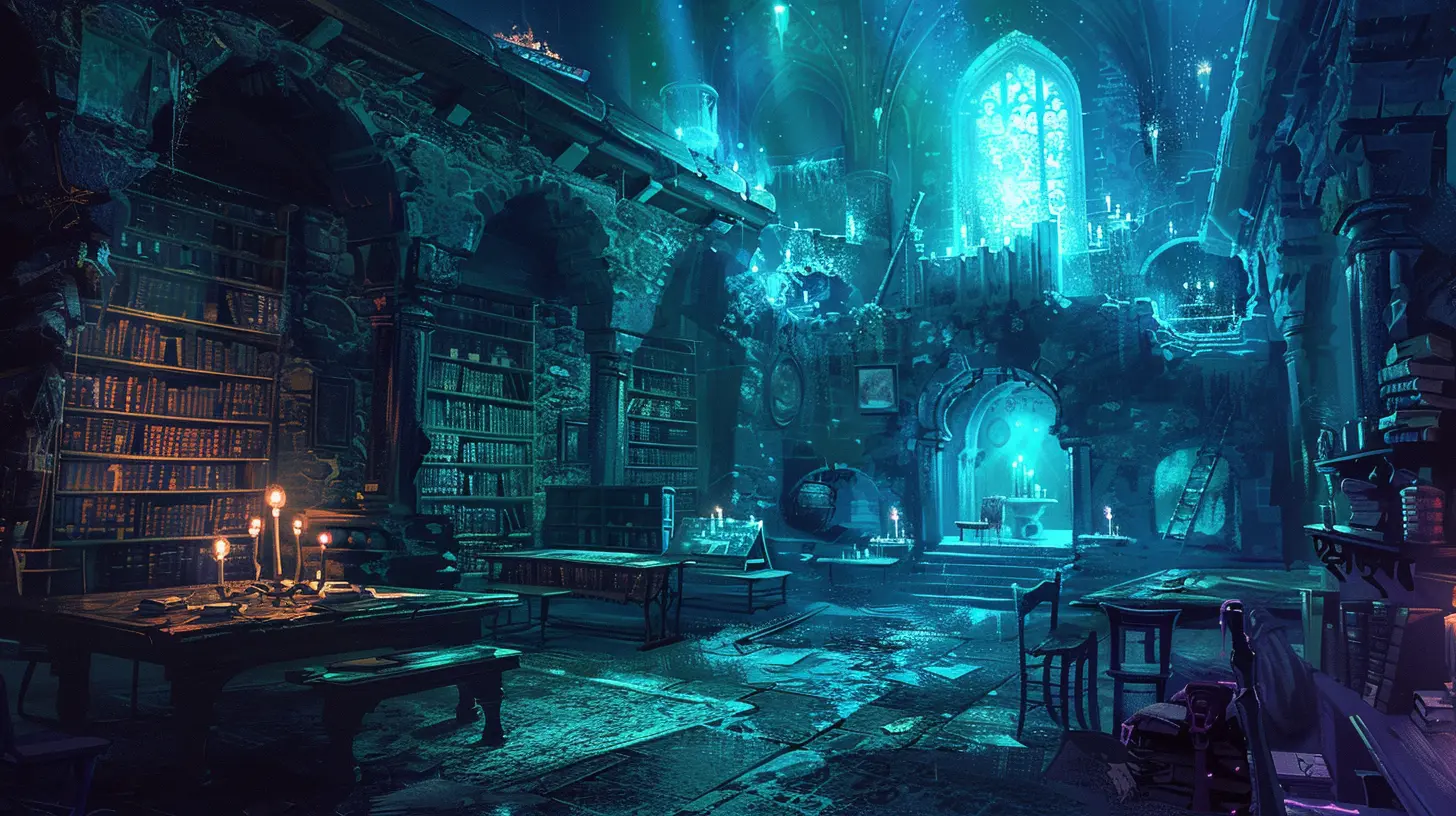
The Importance of a Reactive World
A key part of being immersed is feeling like your actions matter. Tabletop games excel at this with GMs who adapt the world on the fly.How Games Emulate A Live Dungeon Master
Modern RPGs simulate this with branching storylines, reactive NPCs, and changing environments. Kill a town guard? People remember. Choose to save a village? That village might thrive later in the game.This kind of feedback loop keeps players engaged because they feel seen and heard by the game world—just like they would with an attentive GM.
Emergent Storytelling
Sometimes, the best stories aren’t written by developers—they come from the player’s own experiences. Think about those “remember when…” moments you share with friends. Like when your entire party died except for the bard who somehow soloed the boss using nothing but clever tricks and a tambourine.These memories make the game feel alive. They're unscripted, personal, and unforgettable.
Character Creation: Building an Identity
It all starts here. Character creation isn’t just a stats sheet—it’s you crafting a unique persona to explore the game world.Deep Customization = Deeper Immersion
Games that allow detailed character building—from skills and backgrounds to personality traits—offer more immersion opportunities. You feel tied to the world because your character belongs in it.The more you invest during character creation, the more you get out of the experience. Games like Pathfinder: Wrath of the Righteous or Wasteland 3 offer dizzying arrays of options. It’s overwhelming, sure. But it's also empowering.
The Role of Backstories
Choosing a trait like “Former Noble” or “Street Urchin” can alter how the world reacts to you. Your background isn't just flavor—it actively shapes your journey. That’s good narrative design: letting your past influence your present.Cooperative Storytelling: Playing with Others
Some of the most immersive experiences come from collaborative games, where you and your friends craft the story together.Online Tabletop-Inspired Games
Think Neverwinter Nights or modern co-op games like Baldur's Gate 3. These let you play out rich, branching narratives with a party of real people. Each player brings their own roleplaying style, and the group dynamic leads to unexpected and often hilarious outcomes.Social Mechanics Enhance Immersion
When your rogue insults a queen and your cleric scrambles to fix the mistake, you’re not just playing a game—you’re narrating a group story. That’s the same magic as a D&D session around a kitchen table.And let’s be honest—who doesn’t have a story about that one chaotic player who always blows things up… literally?
The Future of Roleplaying and Immersive Narratives
So, where are we headed? Roleplaying and immersive storytelling are growing, not shrinking. As technology improves, so does the potential for deeper narratives and personal player journeys.AI and Adaptive Storytelling
Imagine a game that changes its storyline based on your playstyle—not just pre-written branches, but dynamically generated arcs. We’re already seeing glimpses of that with AI-driven NPC behaviors and customized dialogue systems.This could bring the flexibility of a tabletop GM into digital gaming, pushing roleplaying to a whole new level.
Cross-Platform Roleplaying
With games becoming more available across devices and platforms, there’s more opportunity for interconnected stories. From mobile apps to full VR setups, the accessibility of immersive storytelling is expanding—and we’re here for it.Final Thoughts
Roleplaying and narrative immersion are more than just buzzwords. They’re the heart of what makes tabletop-inspired games truly special. Whether you’re building a flawed anti-hero, shaping a kingdom’s fate, or just arguing over loot with your friends, these experiences leave lasting memories.And at the end of the day, isn’t that what stories are all about?
all images in this post were generated using AI tools
Category:
Game NarrativesAuthor:

Greyson McVeigh
Discussion
rate this article
2 comments
Monique Foster
Tabletop-inspired games excel in narrative immersion by fostering player agency and collaboration. Through shared storytelling and character development, they create rich, dynamic experiences that engage participants, encouraging deeper emotional connections and memorable adventures.
January 14, 2026 at 3:20 PM
Greyson McVeigh
Thank you for your insightful comment! I completely agree—player agency and collaboration are essential in fostering the immersive storytelling experiences that make tabletop games so impactful.
Myles Jenkins
Great article! I love how it highlights the importance of narrative immersion in tabletop-inspired games. Enhancing roleplaying through character backstories and collaborative storytelling can truly elevate the experience. Would love to hear more about specific games that effectively achieve this!
December 23, 2025 at 5:44 PM
Greyson McVeigh
Thank you! I appreciate your enthusiasm. I’ll definitely consider including specific game examples in future discussions on narrative immersion and storytelling. Stay tuned!