How Seasonal Content Compares to Traditional Expansions
3 February 2026
Gaming’s come a long way from the days when you’d just buy a game once, finish it, and move on. These days, whether you’re diving into an open-world RPG, grinding in a looter shooter, or battling it out in a live-service multiplayer game, chances are you're being hooked in with a tempting trickle of new content—either through seasonal updates or full-blown expansions. But what’s the real difference between seasonal content and traditional expansions? More importantly, which one’s better for us players?
Let’s break it down, have some real talk, and see how these two content update models stack up against each other.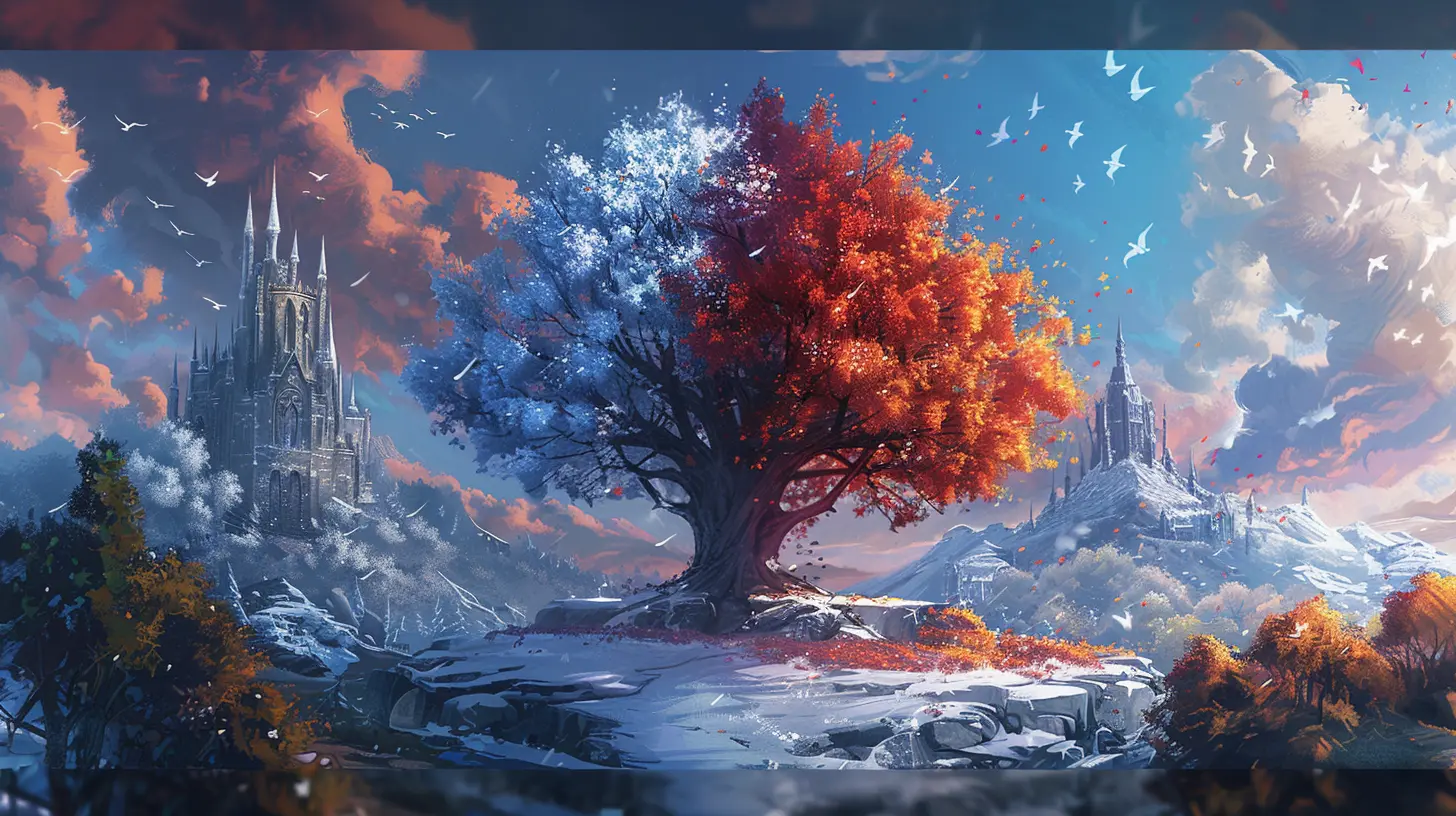
What Is Seasonal Content, Anyway?
Picture this: It's like your favorite TV show dropping a new season with twists, guest stars, and fresh drama. That's what seasonal content does for games. It brings regular, time-limited updates—often monthly or quarterly—injecting new storylines, characters, gear, challenges, events, and rewards.Games like Fortnite, Destiny 2, Call of Duty: Warzone, and Apex Legends have popularized this model. Each season usually brings a themed battle pass, gameplay tweaks, and some kind of narrative progression or live event.
The catch? You snooze, you lose. Seasonal content is often temporary—if you don’t engage during the season, you might miss out on exclusive gear or story beats. FOMO (Fear Of Missing Out) is real here.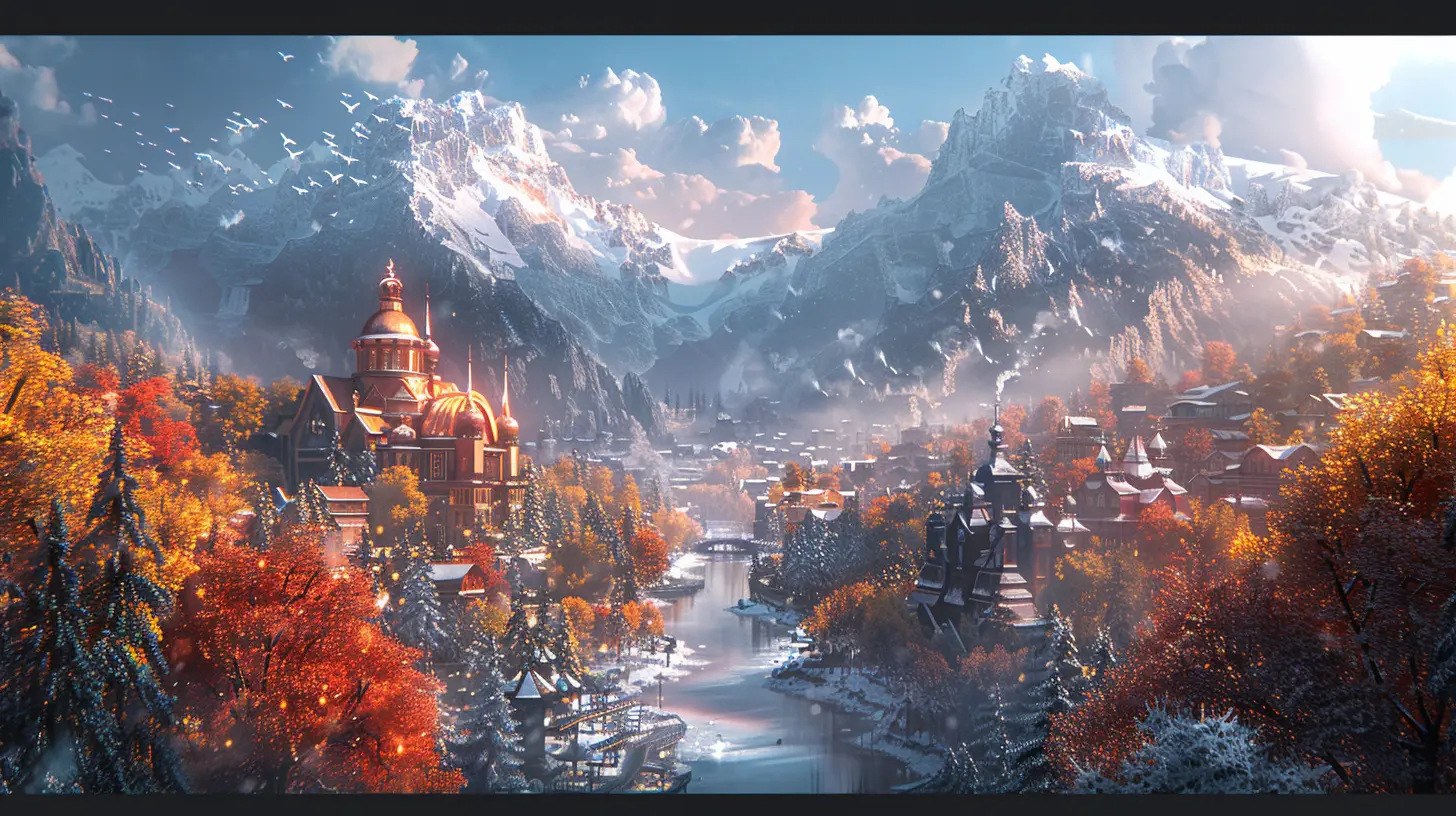
What Are Traditional Expansions?
Alright, now imagine your game as a pizza. A traditional expansion is like ordering a whole new pizza—new toppings, a thicker crust, maybe a new dip on the side. Expansions are large content drops released less frequently—typically once or twice a year—adding permanent features like new zones, mechanics, story arcs, dungeons, or even entire game systems.Think of World of Warcraft, The Elder Scrolls Online, or Final Fantasy XIV. These games are famous for delivering beefy expansions packed with deep lore, endgame content, and significant system overhauls. You pay once (sometimes up-front), download a meaty chunk of content, and it's yours to keep.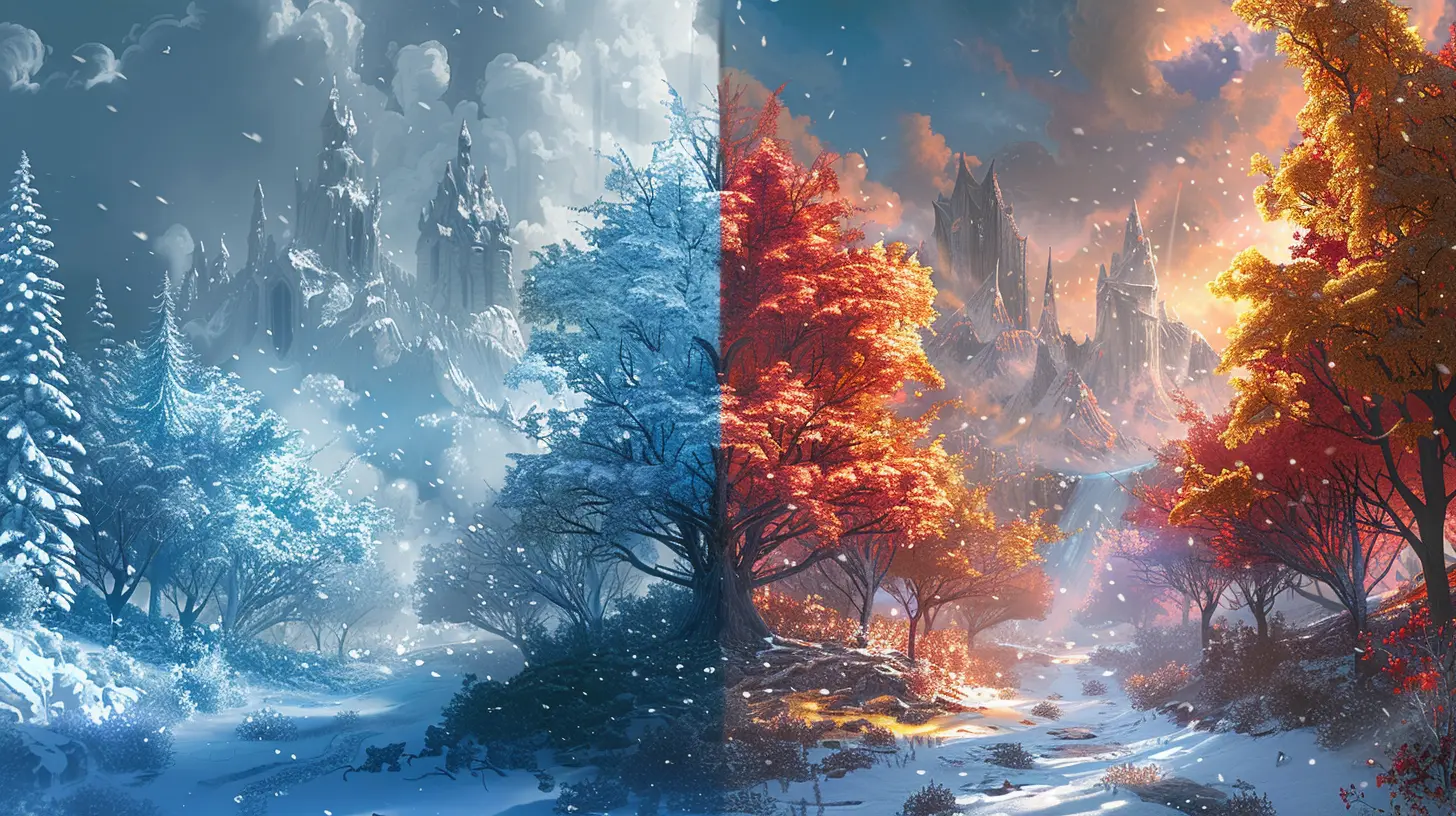
Comparing the Two: Content Frequency and Freshness
Here’s where the tug-of-war begins.- Seasonal Content: We’re talking regular doses—like every 6-12 weeks. It’s like your favorite café introducing a new drink every month. Keeps things exciting, right?
- Traditional Expansions: These are more like annual holidays. You wait a long time, but when they hit, it’s a full-on feast.
So, if you're someone who thrives on constant newness, seasonal content wins. But if you're all about taking your time and sinking your teeth into something grand, expansions feel much more satisfying.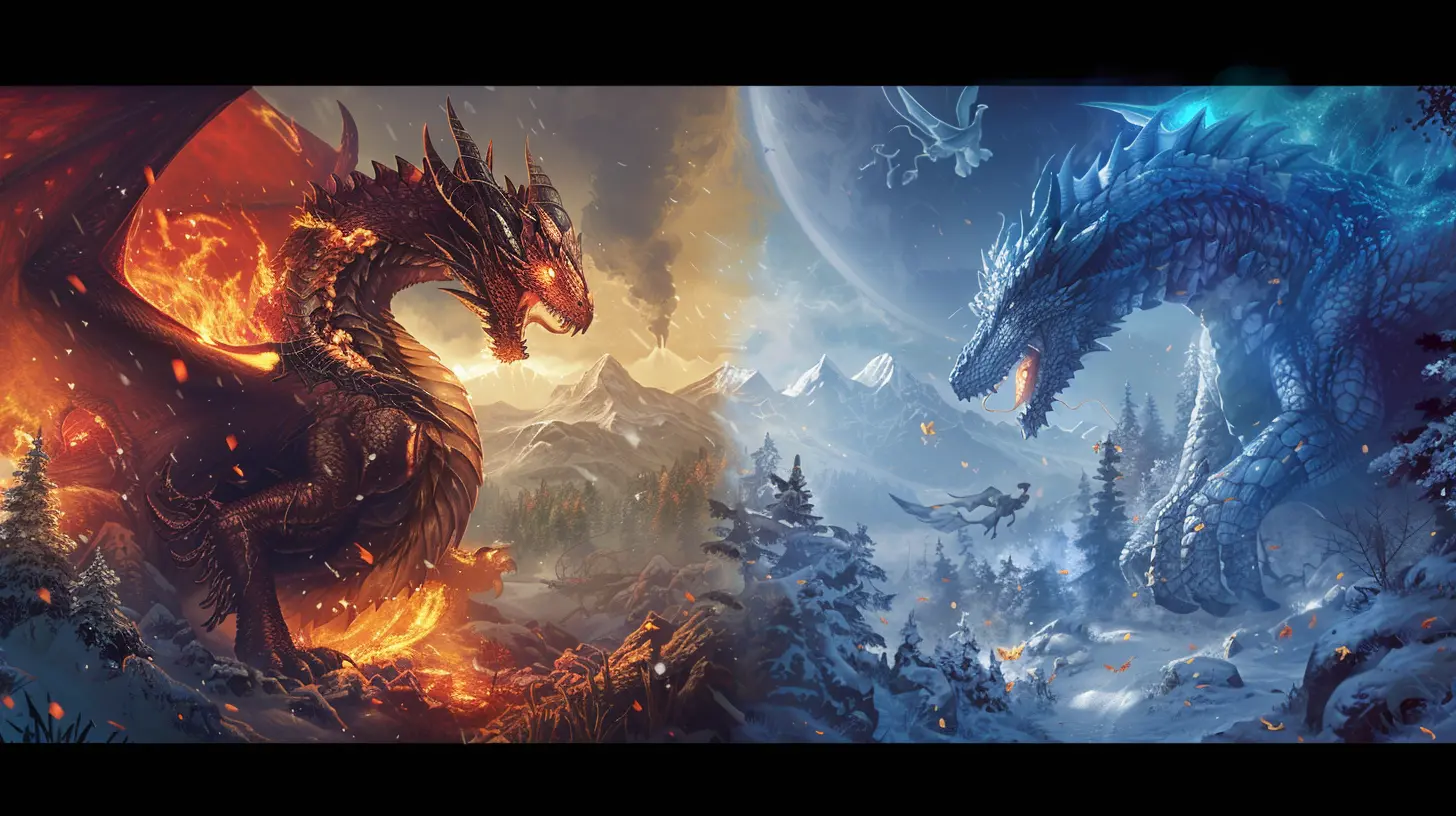
Depth vs. Breadth
Let’s get real—quality matters just as much (if not more) than quantity.- Expansions bring entire new worlds. They’re carefully crafted, lore-rich, and jam-packed with gameplay hours. There's a sense of permanence and investment here. It’s like settling down to read a full novel.
- Seasons, on the other hand, are more like magazine issues—short, snappy, and tailored to keep momentum going. While they can be thrilling, the content can sometimes feel shallow or rushed because of how often it’s pushed out.
Don't get me wrong—some seasonal content can hit hard emotionally or shake up gameplay beautifully. But if you’re chasing that “OMG, this is a whole new game!” energy? That’s where expansions shine.
Engagement and Player Retention
Here’s where seasonal content absolutely crushes it.Developers love seasons because they keep players coming back regularly. Imagine logging into your favorite MMO after a six-month break, only to be completely lost. But with seasonal content? You're nudged to pop back in often, see what’s new, and maybe even buy that shiny new skin before it's gone.
It’s basically a treadmill—but with glitter and fireworks.
Expansions, while more exciting in bursts, can lead to longer gaps between player engagement. You binge, you enjoy, and then… you wait.
Monetization Models
Let’s not pretend money isn’t part of the equation.- Seasonal Content: Often tied to a battle pass or season pass. Players pay a small fee (usually $10–$15) every few months. There’s also the whole microtransactions thing—cosmetics, boosters, and all that jazz.
For devs, it’s a goldmine. For players, it’s a cheaper way to get consistent updates—but only if you stay active.
- Expansions: A one-time larger purchase (say $30–$60) that doesn’t always pull you into more microtransactions right away. Historically, it feels more “fair,” like buying a new book or movie. You pay up, you play, that’s it.
So it comes down to this: Do you like tiny bites over time, or would you rather fork out a chunk once and be done with it?
Storytelling and Narrative Impact
Let’s be honest—if you’re a story junkie, expansions usually hit harder.They offer the time and space to build tension, develop characters, and deliver cinematic moments. Complete arcs, dramatic stakes, lore bombs—expansions are built for that epic, memorable saga.
Seasons? They're more episodic. Think TV episodes vs. a blockbuster movie. You get little slices of story, sure, and some are genuinely well-done. But others feel like filler or setup for something bigger coming later.
Also, seasons often rely on you being online at a specific time to experience major cutscenes or events. Miss it, and you might just have to watch it on YouTube (womp womp).
Community and Social Dynamics
Ah, the social side of gaming—guilds, parties, alliances, and memes.- Seasonal Systems give players a reason to rally together frequently. New metas emerge, new gear builds get shared, and there’s always something to talk about.
- Expansions, however, tend to bring huge spikes in activity. Everyone returns at once, excitement is at its peak, and guild chats light up. But after a few weeks or months? Many players fade out again till the next big drop.
So really, it depends: do you want a steady hum of community buzz or big bursts of shared excitement?
Development Pressure and Burnout
Let’s flip the script and think about the devs for a second.Seasonal content is demanding. Studios often work in crunch mode to churn out updates every few weeks. That’s a brutal pace. Sometimes, it leads to burnout, rushed content, or recycled mechanics.
Expansions offer a more relaxed (but still stressful) dev schedule. More room to test, polish, and plan. That generally means higher quality and fewer bugs at launch—though we’ve all seen our fair share of crashy expansion launches, right?
The Case for Hybrid Models
Here’s a little twist: What if you didn’t have to choose?Many modern games are doing both.
Take Destiny 2, for example. Bungie drops big yearly expansions (like The Witch Queen) and fills in the gaps with seasonal storylines and events. Final Fantasy XIV includes mini patches between major expansions that act like seasonal updates too.
This hybrid approach brings the best of both worlds—a steady stream of content plus the occasional grand slam.
Which One Is Better?
Honestly? Neither is inherently better. It just depends on your playstyle and lifestyle.- If you’re a casual player with limited time, traditional expansions might feel more fulfilling—you get a whole package and don’t need to log in every week.
- But if you thrive on constant engagement, love the evolving nature of games, and don’t mind the ongoing cost, seasonal content is your jam.
Looking at the industry trend, though? Seasons are winning the popularity contest. Studios love the monetization model, and players love fresh content. But longevity and legacy? That’s still where expansions might hold the crown.
Final Thoughts: It’s All About Player Choice
At the end of the day, the best games respect your time and money—whether you’re jumping in once a year or logging in every week for the latest update.So next time you see a new season dropping or a mega expansion on the horizon, ask yourself: Do I want a quick thrill ride, or am I ready to buckle up for a full-on journey?
Whatever you choose, the beauty of modern gaming is that there’s something for everyone. And hey, you can always do both.
all images in this post were generated using AI tools
Category:
Game ExpansionsAuthor:

Greyson McVeigh
Discussion
rate this article
2 comments
Samantha Holland
Seasonal content offers smaller, more frequent updates that keep players engaged, while traditional expansions provide substantial, immersive experiences. Both models have their merits; balancing the two can enhance player retention.
February 10, 2026 at 3:37 AM
Greyson McVeigh
Thank you for your insight! Balancing seasonal content and traditional expansions can indeed create a more engaging experience for players, ensuring both short-term excitement and long-term immersion.
Azura Harris
Seasonal content keeps gameplay fresh and engages players regularly, but traditional expansions often provide deeper, more substantial experiences. Each has its merits, depending on player preferences and commitment levels.
February 9, 2026 at 3:38 AM
Greyson McVeigh
Thank you for your insight! You're right—seasonal content offers quick engagement, while expansions deliver deeper experiences. It ultimately comes down to what players value more in their gaming journey.