How Retro Games Inspired Today’s Reward Mechanisms
16 April 2026
Let’s take a trip back in time—dust off your cartridge, blow into it (as if that ever helped), and press power. The pixelated intro kicks in, and just like that, you’re back in the 80s or 90s. Retro games weren’t just entertainment; they were a whole vibe. But did you ever stop to think how those old-school gaming mechanics shaped the reward systems we see in today’s titles?
Yup, the coins you collect in Mario or the loot drops in Diablo weren’t just random ideas. They were the building blocks for the addictive reward systems found in modern games. So, let’s dive in and break down how retro games laid the foundation for the reward mechanisms that keep us glued to our screens today.
The Simplicity of Retro Game Design (And Why It Mattered)
Retro games were born in an era of technical limitations. Developers didn’t have the luxury of high-definition graphics or 100+ hour story arcs. So instead, they focused on something timeless: gameplay loop and feedback.Remember That Sweet "Ding" Sound?
Think about the little "ding" sound you heard every time you picked up a coin in Super Mario Bros.. It was simple, sure—but strangely satisfying, right? That noise, combined with the visual of collecting something, acted as a mini reward. It reinforced your action with instant feedback.This, my friend, was one of the earliest forms of a reward mechanism—simple sound, visual cues, and a feeling of progress. Modern games? They do the exact same thing but on steroids (more fireworks now, though).
Positive Reinforcement: The Psychology of Dopamine Hits
Let’s get a little nerdy for a second (but not too much, promise). The entire foundation of modern reward systems in gaming is built around one central psychological concept—positive reinforcement.Retro Games Did It First
Games like Pac-Man, Donkey Kong, and Galaga had limited gameplay mechanics, yet players kept returning. Why? Because every time you cleared a level or earned a high score, you got that satisfying pat on the back—albeit digital. Those tiny victories felt big back then.Fast Forward to Today
Modern games just crank this up. Instead of just one coin, you might now get an explosion of XP, gear, and achievements—all for a single boss fight. But the emotional reward? It’s rooted in what retro games taught us.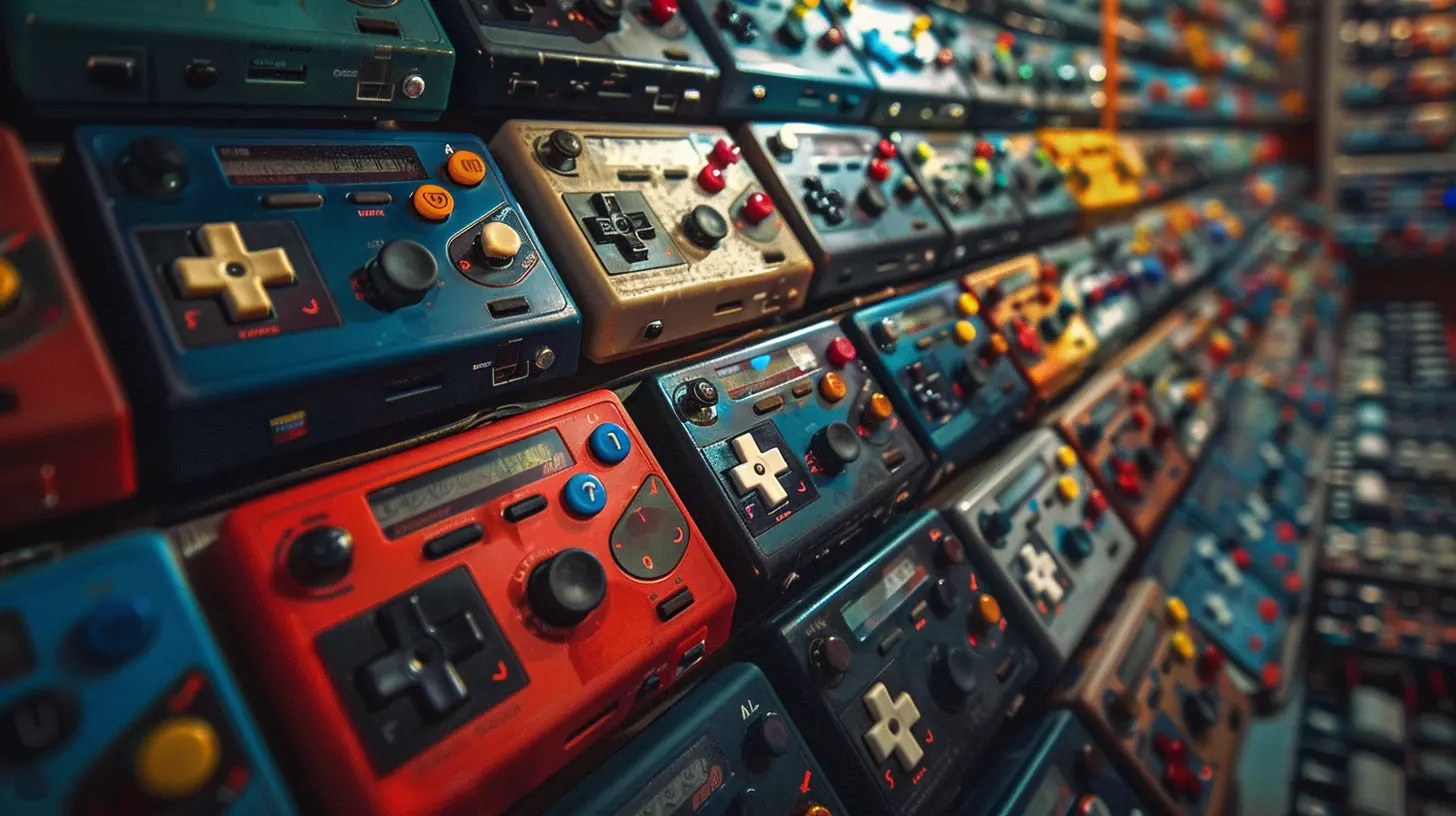
High Scores to Leaderboards: Competition as a Reward
Back in the day, your bragging rights came from one place—your high score. Whether it was in the arcade or on your console at home, seeing your name at the top gave you clout.The Social Reward of Being the Best
Retro games didn’t have online multiplayer or global leaderboards, but they had something more intimate—local glory. Beat your brother’s score in Tetris? That’s a memory you’ll never forget (and neither will he).Evolution into Modern Leaderboards
Today, we’ve turned that same competitive spirit into global ranking systems, PvP modes, and eSports. But let’s be honest—modern leaderboards are just upgraded versions of the high-score screen. Retro vibes, modern scale.
Risk and Reward: Why Failure Feels So Good
Remember when you were just one hit away from dying in Contra? Or that panic when you were running out of time in Sonic the Hedgehog? That tension made every success feel earned. That’s the magic of risk and reward.Retro Games Were Brutally Fair
They rarely held your hand. One slip-up could cost you a life or maybe all your progress if you didn’t have save states. But overcoming that difficulty gave you an adrenaline rush. You weren’t just playing—you were surviving.Today’s Adaptive Difficulty
Modern games have borrowed this concept but added layers—like difficulty scaling, checkpoints, and even permadeath modes. These aren’t new ideas; they’re reimagined takes on challenges we loved (and hated) in retro games.Unlockables: The Original Endorphin Hit
Before DLCs and battle passes, retro games gave you one heck of a reward—unlockables. Whether it was a secret level in Doom or hidden characters in Street Fighter II, finding something unexpected made you feel like a genius.Discovery Was the Ultimate Reward
You had no guides or YouTube to help you. You figured everything out yourself (or maybe from that kid on the playground). It was magical.Modern Games Took Notes
Today’s unlockables might be flashier—skins, weapons, mounts—but the emotional reward remains the same. Retro games showed us that finding something new is one of the most satisfying experiences in gaming.The Joy of Progression: Level Ups Then and Now
In The Legend of Zelda, finding a heart container or upgrading your sword was a huge deal. It represented progress in the simplest form.Minimalist Progression with Maximum Impact
Retro games didn’t use complex skill trees or gear scores. But what they did offer was meaningful upgrades. Each step forward mattered.XP Systems and Skill Trees Today
Modern games expanded this idea with RPG elements, talent builds, and customizable loadouts. But remember: none of it would exist without those basic progression mechanics introduced in classic games.Sound Design: More Than Just Nostalgia
Okay, quick question: can you hum the Super Mario Bros. theme? Yeah, you can. That’s because sound in retro games wasn’t just music—it was feedback.How Audio Reinforced Rewards
Every coin, jump, and power-up had a sound attached. These audio cues were tiny hits of satisfaction. It felt like the game was constantly cheering you on.Modern Sound Design: Inspired and Evolved
Today’s games use hyper-realistic soundscapes and dynamic audio, but at the heart of it are the same principles—sound as feedback, and sound as reward. Retro games wrote the sheet music; modern ones just added more instruments.Mystery and Replayability: Longevity as a Reward
Let’s not forget the secrets. Retro games were full of hidden content. Oftentimes, you’d only stumble upon something new after playing for the 50th time.Secrets Encouraged Replay
Maybe you missed a warp zone in Mario or a secret passage in Metroid. These weren’t just Easter eggs—they were core parts of the experience. They kept you coming back.Modern New Game+ and Side Quests
Replayability is still a big deal today. New Game+, alternate endings, hidden content—all of it connects back to the spirit of replayability retro games nailed decades ago.Retro-Inspired Indies: Keeping the Spirit Alive
Want proof that retro reward mechanics still matter? Look no further than indie games.Games Like Celeste, Shovel Knight, and Hollow Knight
These modern titles look and feel retro, but they thrive today because they understand what made old-school games great. They balance challenge with meaningful rewards, and they make every success feel earned.That’s not nostalgia—that’s great game design.
What Modern Developers Learned from the Past
In a world of billion-dollar franchises and cinematic experiences, it's easy to overlook the roots. But modern devs haven’t forgotten.Key Takeaways from Retro Games:
- Keep feedback immediate- Make rewards meaningful
- Challenge the player, but reward them fairly
- Layer secrets and encourage discovery
- Reinforce actions with audio and visuals
It’s more than just “old games were hard.” It’s that retro reward mechanisms were crafted with care, precision, and a deep understanding of what makes players tick.
So, Why Does It Matter?
Because the magic is in the mix. The most memorable games—old or new—strike a perfect balance between effort and reward. Retro games laid that foundation brick by brick, pixel by pixel.Whether you’re grinding in an MMO, chasing achievements in a story-driven RPG, or just trying to win in the latest battle royale, you’re playing a game shaped by retro design. Every coin, every level up, every new skin—it all echoes the spirit of those early games.
So next time you get that satisfying dopamine rush after collecting loot or leveling up, tip your hat to the classics. They did it first—and they did it well.
Final Thoughts
Retro games didn’t just start the gaming industry—they defined how we experience reward. From simple sounds and pixel coins to epic loot and leaderboard rankings, the DNA of vintage titles lives on in every game we play today.So here’s to the past—for teaching us that even a tiny “ding” can feel like a standing ovation.
all images in this post were generated using AI tools
Category:
Gaming AchievementsAuthor:

Greyson McVeigh
Discussion
rate this article
2 comments
Anisa Willis
This article offers a fascinating exploration of how retro games have laid the groundwork for modern reward systems in gaming. It’s incredible to see how the principles of engagement and motivation from earlier titles continue to shape player experiences today. Great insights—thank you for sharing!
April 19, 2026 at 3:45 AM
Greyson McVeigh
Thank you for your thoughtful comment! I'm glad you found the connections between retro games and modern reward systems engaging.
Zorina Rodriguez
This article effectively highlights the connection between retro games and modern reward systems. By exploring how nostalgia and simple mechanics shaped today’s gaming experiences, it showcases the enduring influence of classic titles on player engagement and satisfaction. Well done!
April 17, 2026 at 3:22 AM
Greyson McVeigh
Thank you for your insightful feedback! I'm glad you found the connection between retro games and modern reward systems compelling. Your thoughts on nostalgia and engagement resonate with the article's main points!