How Kickstarter is Shaping the Future of Board Games
16 January 2026
Board games have been a timeless pastime, bringing friends and families together around the table for centuries. But let’s be real — the board game industry isn’t what it used to be. In recent years, it has undergone a massive transformation, and guess what? Kickstarter is at the center of it all. Love it or hate it, Kickstarter has become the heartbeat of the board game community, reshaping how games are funded, produced, and played.
If you’ve ever backed a game on the platform or just heard stories about crazy-successful campaigns, you know this isn’t your typical crowdfunding scene. Kickstarter has empowered indie designers, given players a voice, and even shifted the priorities of big-name publishers. But how exactly does Kickstarter shape the future of board games? Let’s dive in.
The Revolution of Crowdfunding in Board Gaming
The Old-School Model: What Did It Look Like?
Not too long ago, board game designers faced some pretty gnarly roadblocks. Traditionally, if you had a killer idea for a board game, you'd have to pitch it to a publisher. And honestly? Good luck with that. Publishers were the gatekeepers, and unless you had connections or a proven track record, your game probably wasn’t making it off your dining room table.Even if you did land that golden opportunity, publishers often watered down creative ideas to appeal to the masses or cut corners due to budget constraints. The result? Many unique, niche games never saw the light of day. And for players, this meant less variety and innovation in the hobby.
But then came crowdfunding — and with it, an entirely new ballgame.
Enter Kickstarter: A Game-Changer (Pun Absolutely Intended)
Kickstarter flipped the script. Suddenly, creators didn’t need to grovel at the feet of publishers anymore. All they needed was a prototype, a slick campaign page, and the support of the gaming community.Want to bring your dream project to life? Launch a Kickstarter. Got an idea that’s a little weird, super niche, or wildly ambitious? Kickstarter’s your playground. By cutting out the middleman, designers have unprecedented creative freedom, and players get to decide what games succeed.
Think of Kickstarter as the "Shark Tank" of board gaming, except instead of pitching to intimidating investors, you’re pitching directly to your target audience. It’s like showing off your homemade lasagna to a room full of foodies — if they love it, they’ll throw money at you to get a slice.
Why Kickstarter Works for Board Games
Okay, so we know Kickstarter’s a big deal. But why has it become the go-to platform for board games specifically? There are a few reasons:1. Pre-Sales Without the Risk
Kickstarter essentially functions as a pre-order system, but with a twist. Designers get the funding before they go into production. That means they don’t have to sink all their savings (or take out a second mortgage) just to get their game made.For backers, it’s a win-win too. They’re pre-paying for a product they’re genuinely excited about and often scoring exclusive perks, like Kickstarter-only content or limited editions. Plus, it feels awesome to support someone’s passion project, right?
2. Creative Freedom & Niche Appeal
Let’s be honest: some of the best board games out there are the quirky ones that wouldn’t normally get a green light from a traditional publisher. Kickstarter opens the door for experimental mechanics, offbeat themes, and super-specific genres (looking at you, cat-themed games).Remember Exploding Kittens? Yeah, that one. It’s a perfect example of a game that probably wouldn’t have existed without Kickstarter. It broke records, raising over $8.7 million from more than 200,000 backers. No publisher would’ve gambled on a game about kittens, explosions, and laser beams. But thanks to Kickstarter, it became a cultural phenomenon.
3. Community-Driven Development
What’s cooler than launching a board game? Collaborating with thousands of backers to make it even better. With Kickstarter, creators can engage directly with their audience, gathering feedback before the game even hits production.It’s like getting a massive group of beta testers who genuinely care about your project. Backers can suggest tweaks to gameplay, components, or even stretch goals. In a way, they’re co-creators, and that gives the community a sense of ownership and connection to the game.
4. The Hype is Real
Ever notice how Kickstarter games seem to have this electric buzz around them? It’s because the platform is inherently about building excitement. Campaigns are like mini-events, with stretch goals, live updates, and countdowns.Backers get hyped watching the funding meter climb, seeing new rewards unlocked, and knowing they’re part of something special. It’s like cheering for your favorite sports team — but instead of winning a trophy, you’re funding the next big board game hit. 
The Impact on Designers, Publishers, and Players
Kickstarter hasn’t just reshaped how games are funded; it’s impacted every facet of the board gaming ecosystem.For Designers: A Level Playing Field
Independent creators now have the tools to bring their ideas to life, no matter how small their budget or how obscure their concept. Kickstarter levels the playing field, making room for fresh voices and perspectives in the gaming industry.For Publishers: Adapt or Die
Traditional publishers can’t ignore Kickstarter’s success. While some of them have embraced the platform by launching their own campaigns (think CMON and Stonemaier Games), others have struggled to adapt.Kickstarter has forced publishers to up their game — literally. Players now expect higher-quality components, innovative mechanics, and direct communication with creators. The bar has been raised, and it’s not coming back down.
For Players: Unparalleled Choice
As a board gamer, you’ve probably noticed the insane variety of games available these days. Whether you’re into heavy strategy, light party games, or something in between, there’s a Kickstarter project with your name on it.Plus, Kickstarter campaigns often come with next-level production values: custom minis, gorgeous artwork, deluxe components… the works. Sure, it might cost a bit more, but you’re essentially getting a collector’s item. 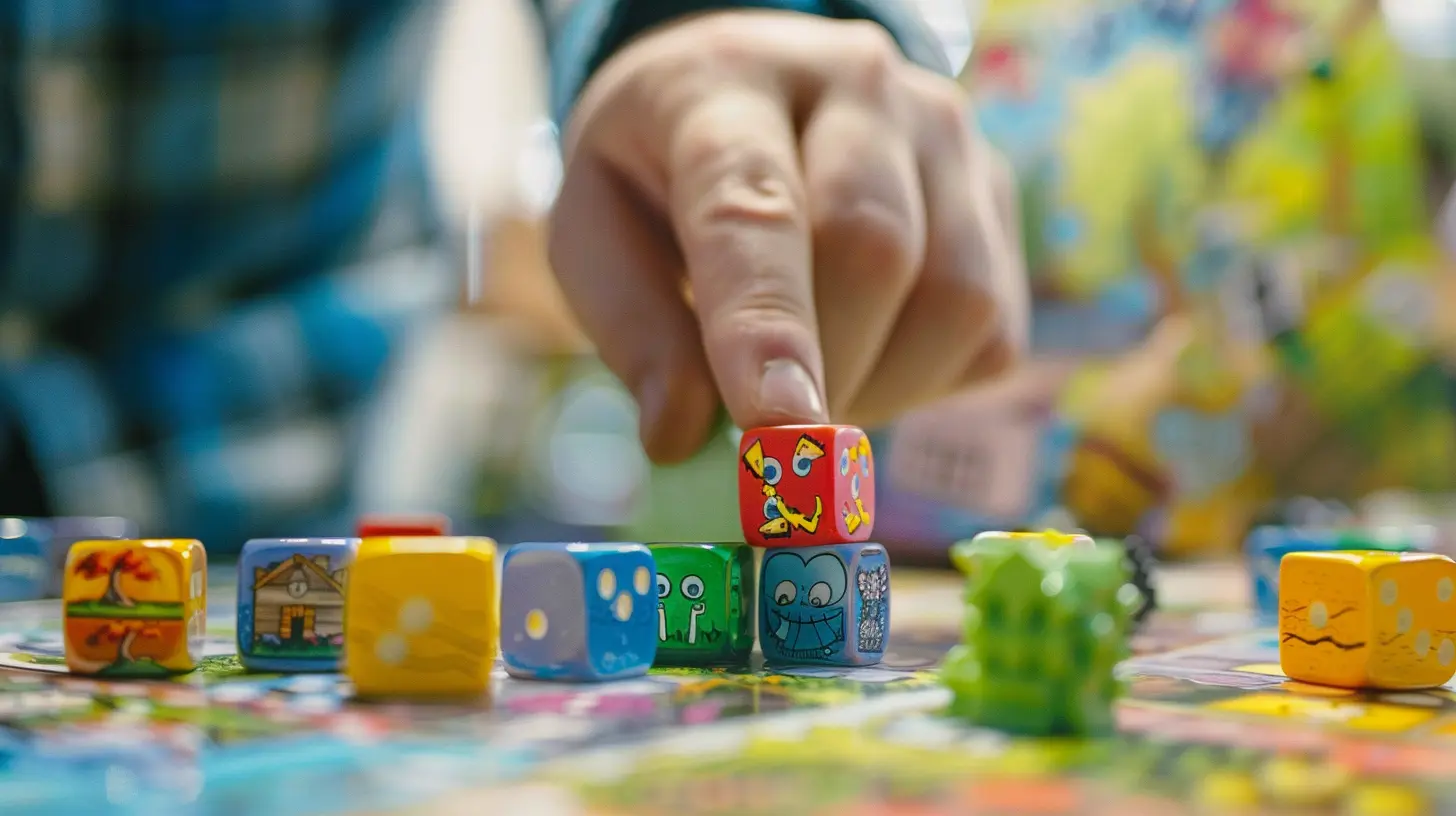
Challenges & Criticism of Kickstarter Board Games
Of course, it’s not all sunshine and rainbows. Kickstarter isn’t perfect, and it comes with its fair share of challenges.Shipping Delays & Production Hiccups
If you’ve ever backed a game on Kickstarter, you know the pain of waiting months (or even years) for it to arrive. Delays happen — a lot. Some projects get stuck in production limbo, and a handful never deliver at all.Overpromising & Under-Delivering
Sometimes, creators bite off more than they can chew. Maybe their stretch goals get out of hand, or they underestimate production costs. Either way, backers can end up disappointed when the final product doesn’t live up to the flashy campaign promises.FOMO is Real
The exclusivity of Kickstarter campaigns is a double-edged sword. While it’s great to get limited-edition content, it can also create a "fear of missing out" frenzy. If you don’t back a game during the campaign, you might never get it — or you’ll have to pay a premium to snag it later.The Future of Kickstarter and Board Games
So, where is all this headed? Well, Kickstarter shows no signs of slowing down as a board game juggernaut. If anything, it’s only growing stronger. With more creators embracing the platform, we can expect even more ambitious projects, crazier stretch goals, and higher production values.Plus, platforms like Kickstarter empower underrepresented voices in gaming, paving the way for greater diversity in themes, mechanics, and creators. The future of board gaming is inclusive, innovative, and player-driven — and we have Kickstarter to thank for that.
Final Thoughts
Kickstarter has undeniably changed the game (pun intended, again). It’s given creators the tools to turn their dreams into reality and players the power to shape the market with their wallets. Sure, it’s not without its flaws, but there’s no denying the positive impact it’s had on the board game world.The next time you’re backing a campaign, take a moment to appreciate just how much this platform has revolutionized the hobby. Who knows? The game you’re backing might just be the next big thing.
all images in this post were generated using AI tools
Category:
Kickstarter GamesAuthor:

Greyson McVeigh
Discussion
rate this article
2 comments
Ford Kane
Kickstarter is revolutionizing the board game industry by empowering creators and fostering innovative concepts. It's a game-changer, allowing unique projects to flourish and connect directly with passionate gamers.
January 23, 2026 at 5:33 PM
Greyson McVeigh
Thank you! Kickstarter truly empowers creators and connects them with passionate gamers, driving innovation and diversity in the board game industry.
Mika Franco
Great read! It's amazing how Kickstarter is empowering creators and giving us fresh, unique board games. Can't wait to see what's next!
January 17, 2026 at 5:54 AM
Greyson McVeigh
Thank you! I'm glad you enjoyed it. Kickstarter truly is a game-changer for creators and fans alike!