How Indie Developers Are Innovating Storytelling
6 June 2026
When you think of video game storytelling, maybe games like The Last of Us or Red Dead Redemption come to mind — and sure, those are masterclasses in narrative. But what if I told you that some of the most groundbreaking storytelling today isn’t coming from huge studios with sky-high budgets?
It’s happening in small apartments, garages, and co-working spaces, at 2 AM when a solo developer is chasing a crazy idea that just might work. That’s right — indie game developers are revolutionizing storytelling in ways the big guys often can’t (or won’t).
Let’s dive into how these indie devs are flipping the script, bending the rules, and making us feel things we didn’t know a pixelated sprite could make us feel.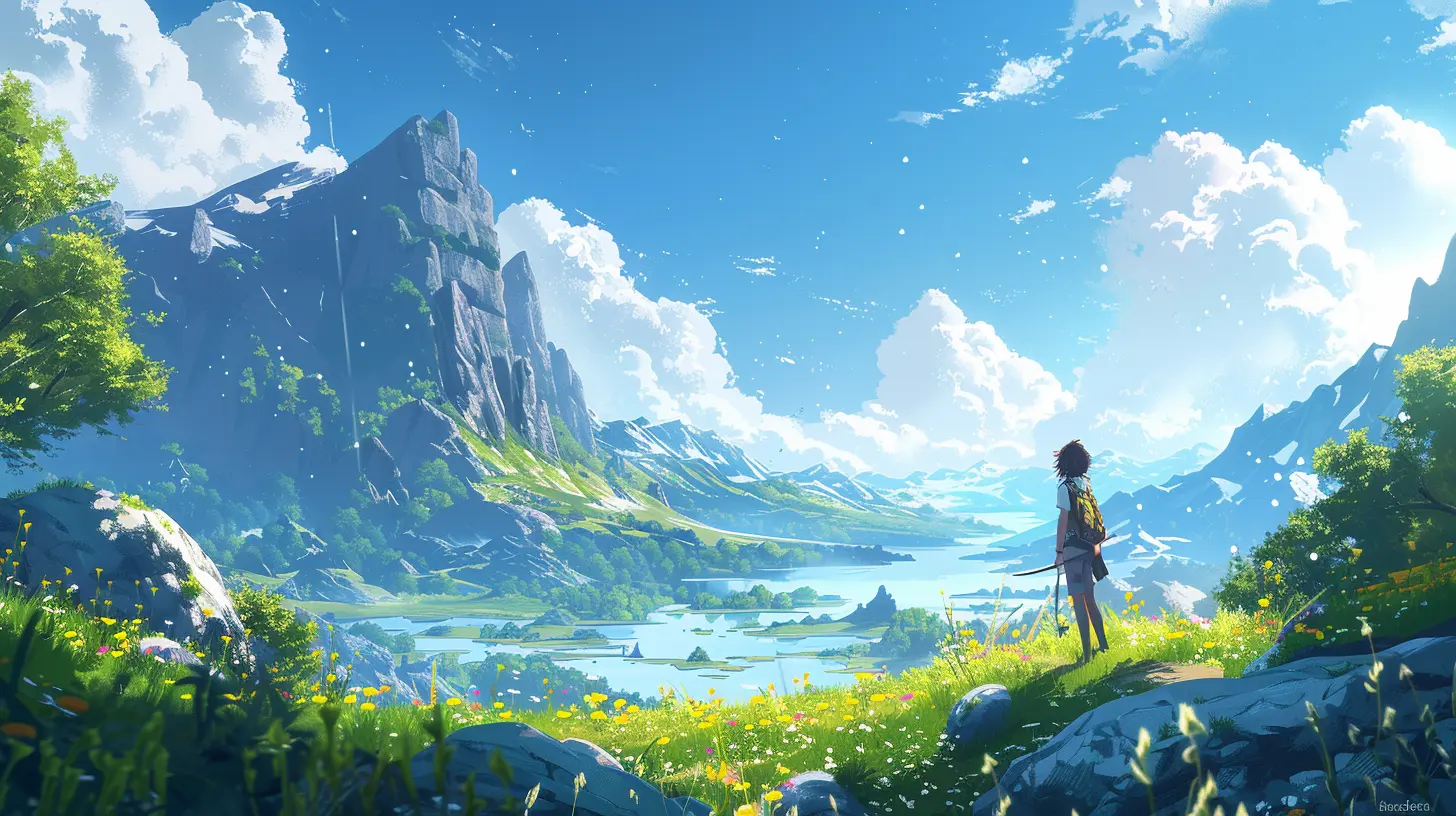
The Power of Creative Freedom
First things first — indies don’t have to answer to shareholders. They don’t need focus groups, marketing panels, or corporate approval. That freedom? It’s priceless.Imagine being able to tell the story you want, exactly how you want to tell it — no matter how weird, sad, awkward, or experimental it is. That’s the magic indies have.
Take games like Undertale, To the Moon, or Night in the Woods. These aren’t just games. They’re emotional journeys, deeply personal, and often strange in the best way. Why? Because indie devs take risks — and those risks pay off. They’re not trying to appeal to millions. They’re trying to connect with you.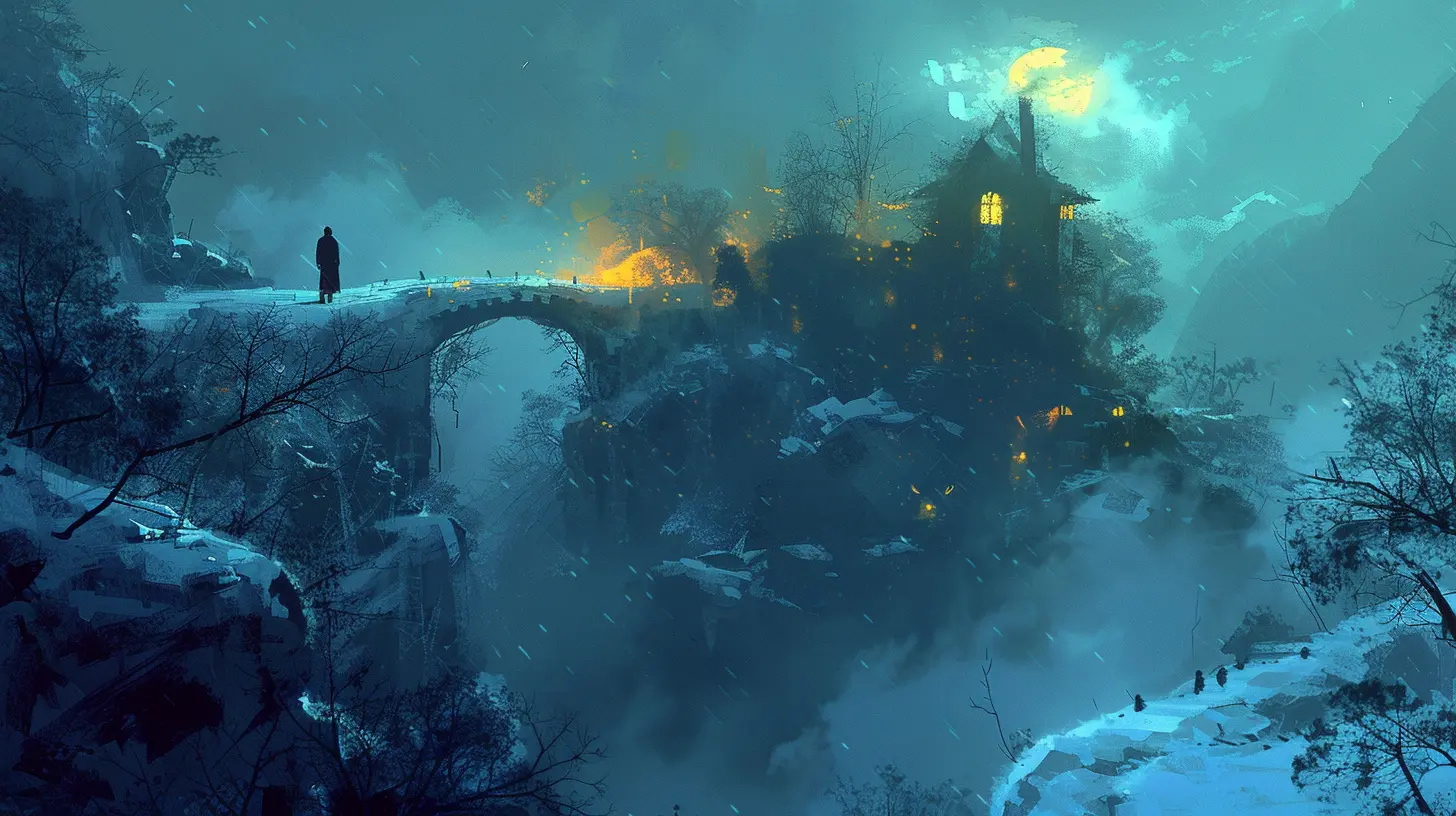
Unique Voices, Unfiltered Perspective
You know how all blockbuster games start to feel kinda... samey after a while? That’s because they often play it safe. Indie devs? They don’t do that. They're not afraid to get raw and real.Indie storytelling is like listening to your friend spill their guts at 3 AM — messy, emotional, and honest. It’s personal. Whether it’s a one-person dev team or a small collective, indie games bring in voices from all walks of life — LGBTQ+ creators, neurodivergent developers, storytellers from underrepresented communities — and that diversity seeps into the stories they tell.
Games like Celeste (which brilliantly tackles anxiety and self-doubt) and Spiritfarer (a cozy game about death and letting go) aren’t just fun — they’re heartfelt, existential, and deeply human.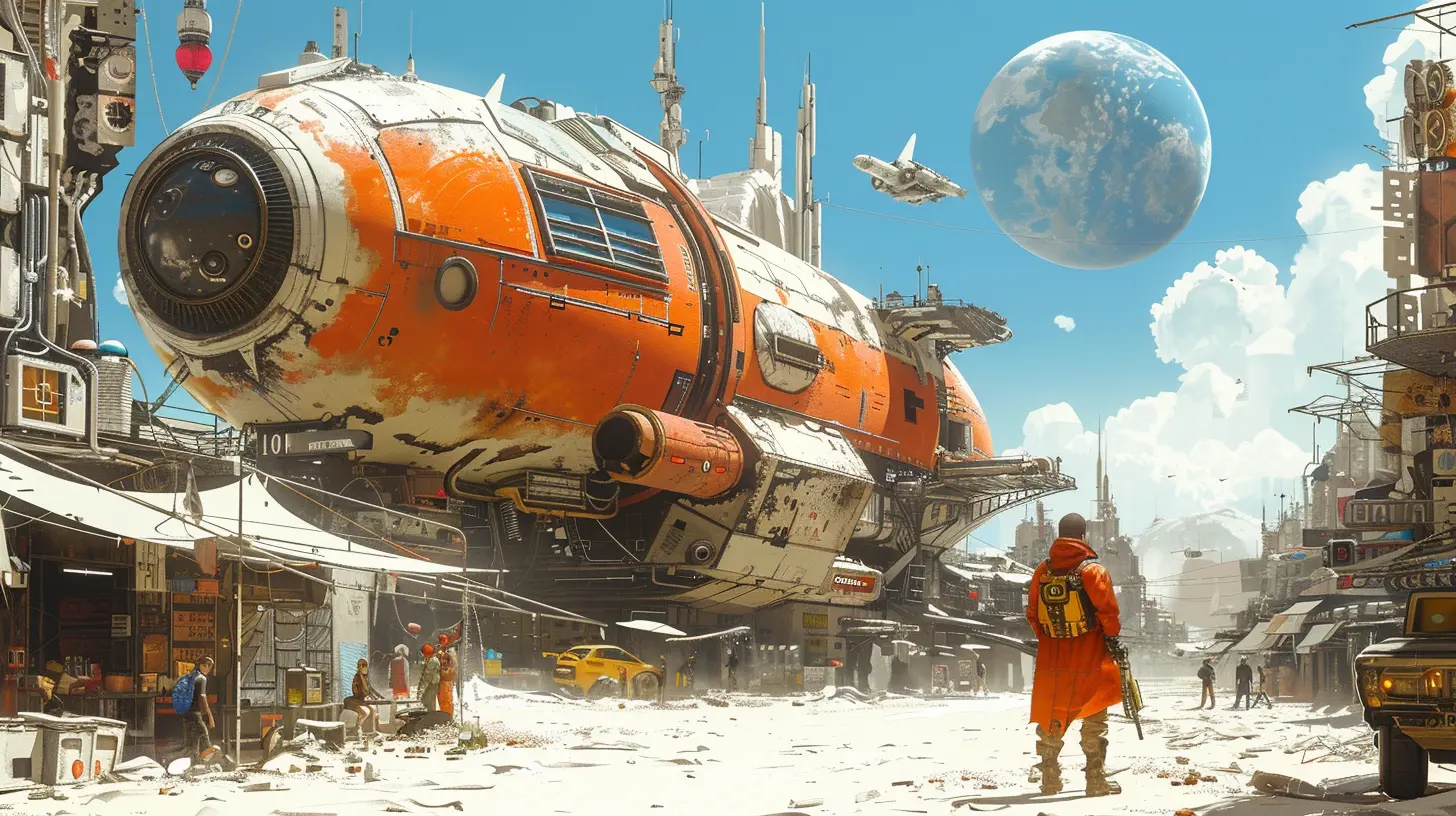
Telling Stories Through Gameplay, Not Just Cutscenes
Here’s the thing: storytelling in games isn’t just about dialogue and cinematics. It’s about how the game plays — and indie devs get that.A lot of AAA games lean on the ol' cutscene-crutch. You watch, then you play, then you watch again. But indie devs? They weave the story right into the gameplay itself. The way you move, the mechanics you learn, even the UI — it all tells a story.
Take Papers, Please. You’re an immigration officer in a fictional dystopia, and every single decision you make — who to let in, who to turn away — builds the narrative. There’s no long-winded exposition. The story emerges from the choices you make and their consequences.
That’s ludonarrative harmony — a fancy term that just means the gameplay and story are on the same page. And indies are nailing it.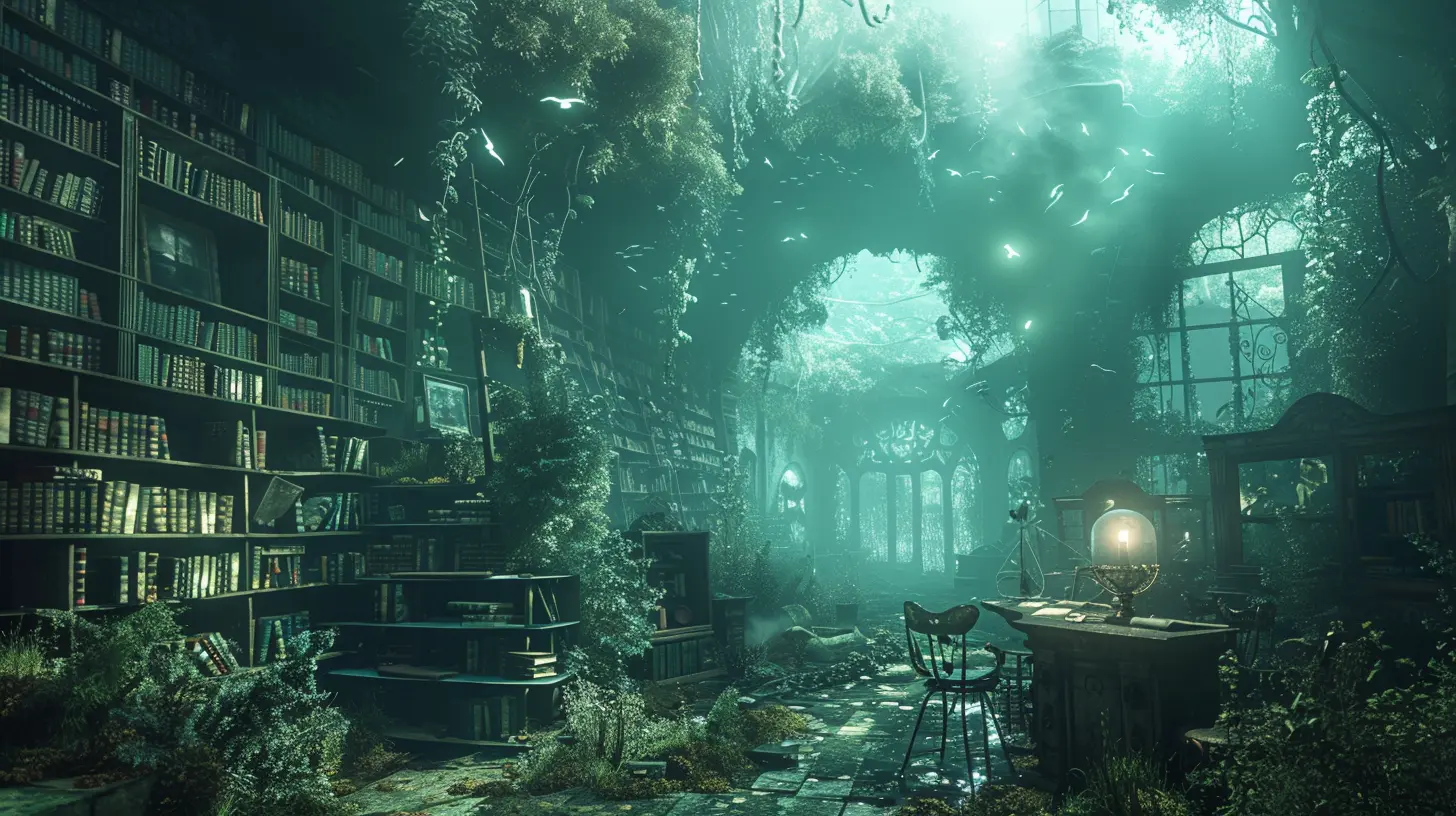
Breaking Traditional Narrative Structures
Ever played a game that didn’t really have a beginning, middle, or end in the traditional sense? Welcome to indie storytelling.Indie devs are ripping up the script (literally). They’re toying with nonlinear narratives, branching paths, multiple endings, unreliable narrators — all the stuff that makes stories unpredictable and replayable.
Games like Her Story or The Stanley Parable completely twist the idea of how a game should “flow.” You’re not just playing through a script — you’re uncovering the story, piecing things together, and deciding what it all means, if anything at all.
That level of interactivity makes you a participant in the story, not just a spectator. And that? That’s powerful.
Emotional Intelligence: Making You Feel Stuff
Let’s be real — most of us don’t boot up a game expecting to cry. But indie games sneak up on you.They don’t just tell stories. They create emotional experiences. They tap into loneliness, love, grief, uncertainty — all the messy stuff that makes us human.
And they do it without massive voice casts or Hollywood-grade visuals. Sometimes it’s a black-and-white pixel character and a gentle piano track. But it hits you. Hard.
Why? Because the stories are authentic. They're crafted with care. You can feel the heart that went into them — and that makes the emotion hit even harder.
If a game like A Short Hike or What Remains of Edith Finch doesn’t at least make your eyes water a little, I don’t know what will.
Player Choice That Actually Matters
Remember those games that say your choices matter… but then give you the same ending no matter what? Yeah. We’ve all been there.Indie games often do it differently. They commit to making your choices meaningful, even if that means building multiple timelines or radically different outcomes. That makes your experience feel personal.
Even simple mechanics — like choosing dialogue or what object to pick up — can change everything. In games like Oxenfree or Disco Elysium, your decisions don’t just tweak the story. They become the story.
This level of responsiveness gives players agency, which deepens immersion. You’re not walking down a path. You’re carving it yourself.
A Focus on Atmosphere and Mood Over Spectacle
Let’s face it — not every story needs explosions and epic battles. Sometimes all you need is a quiet forest, a strange town, or a lingering sense of melancholy to pull you in.Indies lean into this. Instead of going for bombast, they build atmosphere. They use minimalist art, ambient sound, and subtle writing to draw you into their world.
Games like Limbo, Inside, or Kentucky Route Zero don’t scream at you. They whisper. And often, that whisper leaves a deeper impression than all the action in a AAA title combined.
Flexibility in Format: Mixing Genres and Breaking Rules
Why stick to one genre when you can combine five?One of the coolest things about indie games is how they blur the lines between genres. A platformer that’s also a dating sim? Sure. A farming game that hides an existential storyline about capitalism and community (hello, Stardew Valley)? Absolutely.
Indie devs think outside the box. That means they can blend gameplay styles to serve the story in unique and interesting ways.
Sometimes the narrative is hidden in item descriptions (Darkwood), or maybe you're literally typing your way through a surreal reality (Typing Chronicles). The rules don’t apply — and that’s what makes it so exciting.
Embracing Imperfection
Here’s a secret: sometimes jank is part of the charm.Not every indie game is polished to a mirror shine — and that’s okay. In fact, it often adds to the experience. You feel like you’re playing something handmade, something raw and real.
Perfection is overrated. Indie devs embrace weird ideas, unpolished visuals, glitchy moments — because it’s all part of the journey. It’s like a sketchbook compared to a glossy magazine. One feels alive. The other feels curated.
And let’s be honest — we all need a little more weird and wonderful in our lives.
Direct Connection Between Creator and Player
One of the most beautiful things about indie games is how closely connected the developers are to their audience. Many devs tweet daily updates, livestream development, and read almost every comment and review.That kind of transparency and passion feeds into the final product. You’re not playing some faceless company’s idea of fun. You’re stepping inside someone’s dream.
And when that dream connects with your own emotions and experiences? That’s storytelling gold.
The Future of Storytelling is Indie
As technology becomes more accessible, as digital distribution grows, and as more diverse voices enter the gaming space, indie storytelling is only going to get stronger.We’re already seeing waves of brilliant narrative design from small studios across the globe. These devs are refining, innovating, and totally reimagining what it means to tell stories through games.
And the best part? You don’t need a next-gen console or a $70 price tag to access these adventures. Often, they’re just a few bucks and a couple clicks away.
The future isn’t just bright. It’s bursting with creativity, color, and heart — all thanks to indie developers.
Final Thoughts
Indie developers aren’t just making games. They’re crafting stories that stay with us long after the screen goes dark.They’re proving, time and time again, that you don’t need massive budgets or celebrity voice actors to make something truly unforgettable. All you need is passion, imagination, and a willingness to take risks.
So next time you’re browsing your game library, look past the big titles and give an indie game a shot. You might just find a story that surprises you, moves you, or even changes how you see the world.
And honestly? That’s the kind of storytelling that matters most.
all images in this post were generated using AI tools
Category:
Game NarrativesAuthor:

Greyson McVeigh
Discussion
rate this article
1 comments
Lyanna Mitchell
This article highlights the remarkable creativity of indie developers in storytelling. Their unique approaches and willingness to take risks are breathing new life into narratives in gaming. It's exciting to see how these innovations will shape the future of interactive storytelling. Keep up the great work!
June 9, 2026 at 2:43 AM