How Expansions Unlock Hidden Potential in Game Mechanics
9 April 2026
Ever played a game that felt... good but not quite complete? You know, like it had all the right pieces but they didn’t fully connect? That’s where expansions come in and shake things up. They’re not just about adding more content — they breathe new life into existing games. Whether it's a board game, RPG, card game, or a large-scale online multiplayer, expansions have the magical ability to unlock hidden layers of gameplay that were either dormant or unexplored in the base game.
In this article, we're diving deep into how expansions do that — how they take good games and make them great. Let’s talk mechanics, satisfaction, and the untapped potential that expansions unleash.
Table of Contents
1. What Exactly Is a Game Expansion?2. Why Developers Leave Room for Expansions
3. The Science Behind Game Mechanics
4. How Expansions Unlock New Mechanics
5. Popular Game Expansions That Changed Everything
6. Player Engagement and Replayability
7. Risks of Adding Expansions
8. Tips for Developers: Expanding Without Overcomplicating
9. Final Thoughts
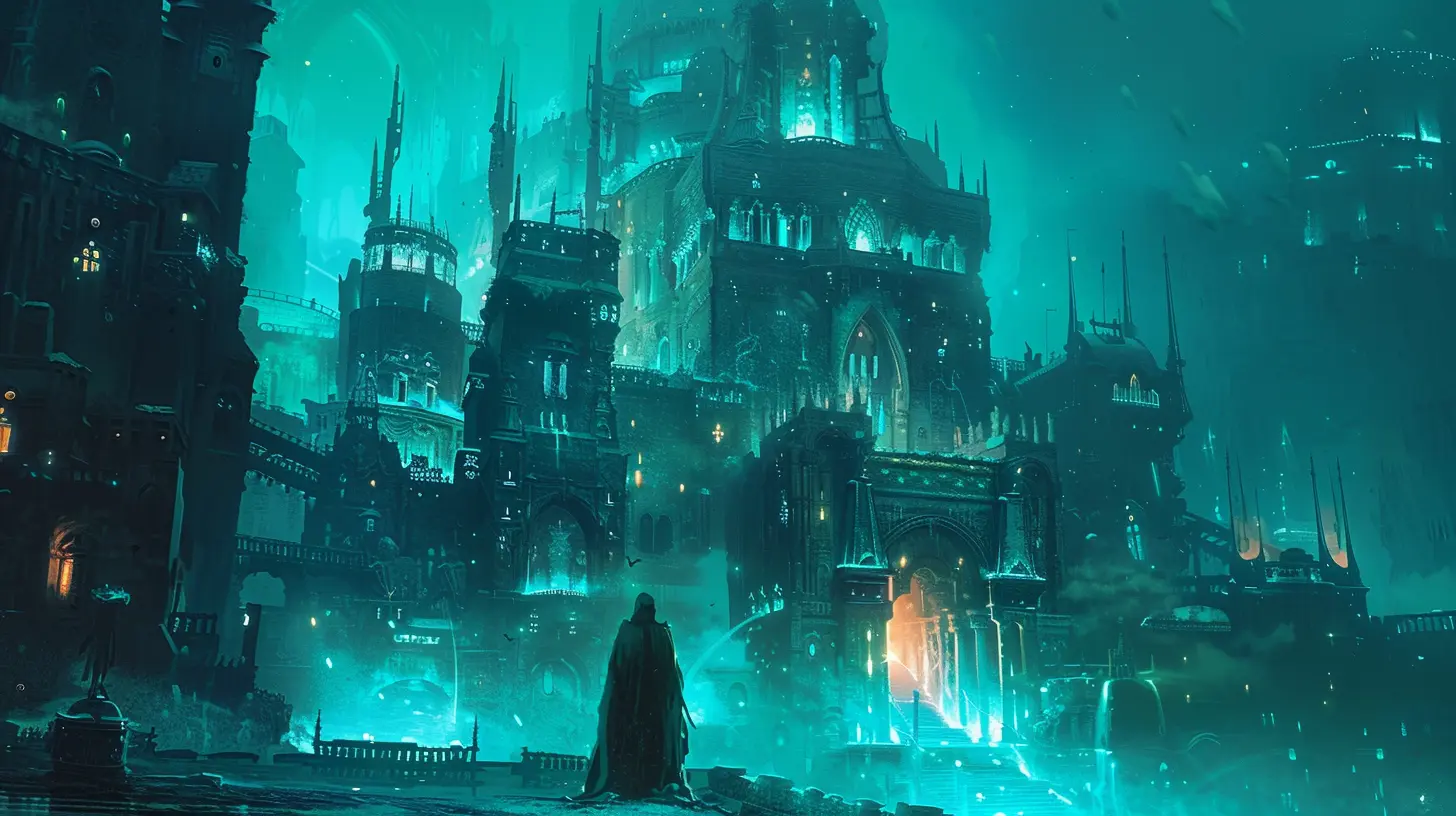
What Exactly Is a Game Expansion?
Let’s start with the basics.A game expansion is additional content that builds upon the base game. It can add new characters, items, storylines, maps, or even introduce whole new mechanics. Think of it like adding new spices to a dish you already love. Sure, the original tastes good, but now it starts to sing.
Expansions aren’t just about “more”; they’re about “better.” They aim to add depth, complexity, and richness. Kind of like unlocking a secret level in your favorite video game — one you didn’t even know existed.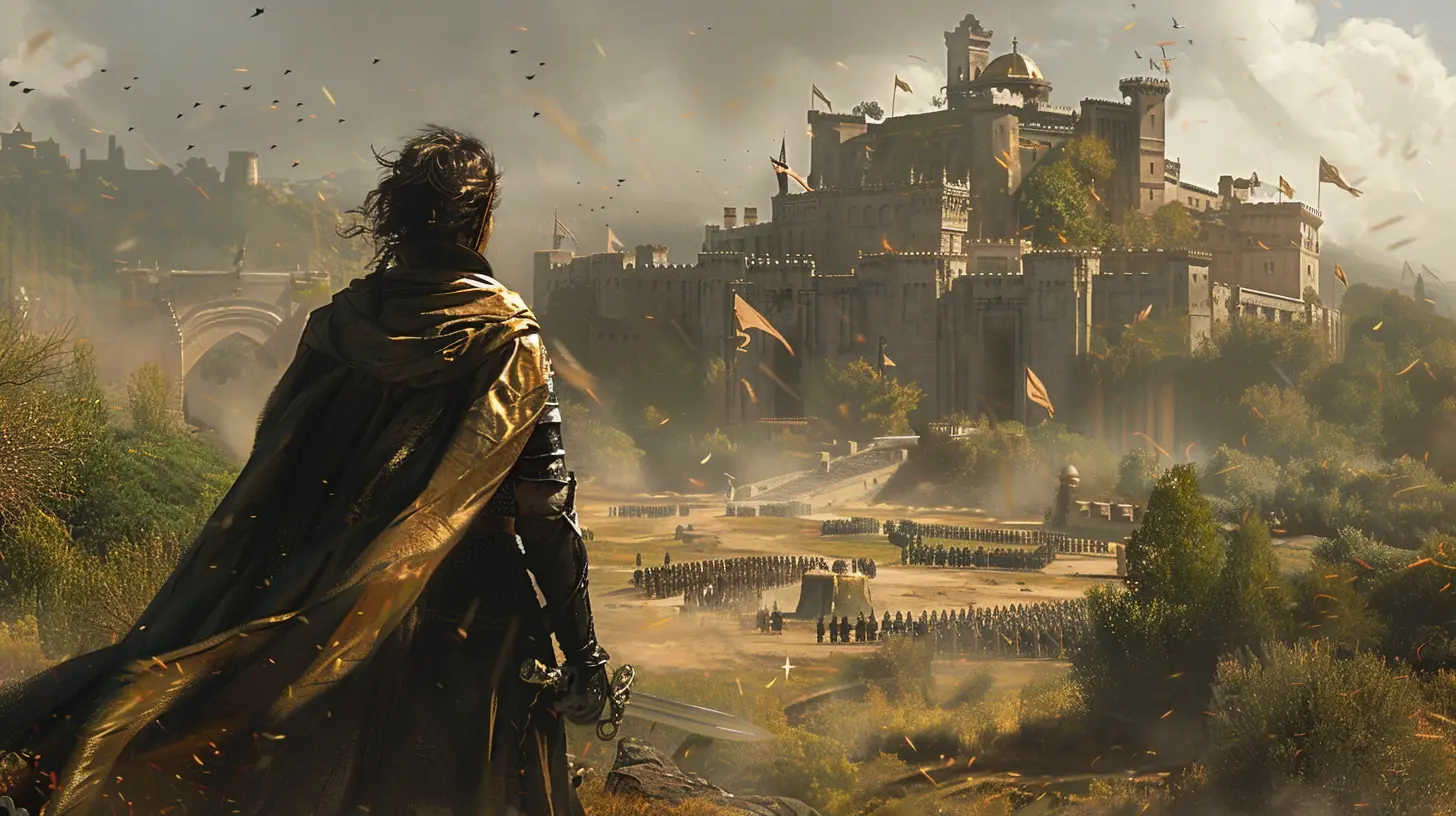
Why Developers Leave Room for Expansions
You might wonder, “Why don’t developers just include everything in the original game?”Well, for a few good reasons:
- Time Constraints: Game development takes years, and deadlines are tight.
- Budget Limits: More features often mean more money and time — both of which are finite.
- Player Feedback: Developers can refine and improve based on how players interact with the base game.
- Longevity: Expansions keep players invested over time. They’re like giving an old flame a second chance.
So, rather than cramming everything into one release, developers often structure their base games to be flexible — like a well-laid foundation waiting for the upper floors.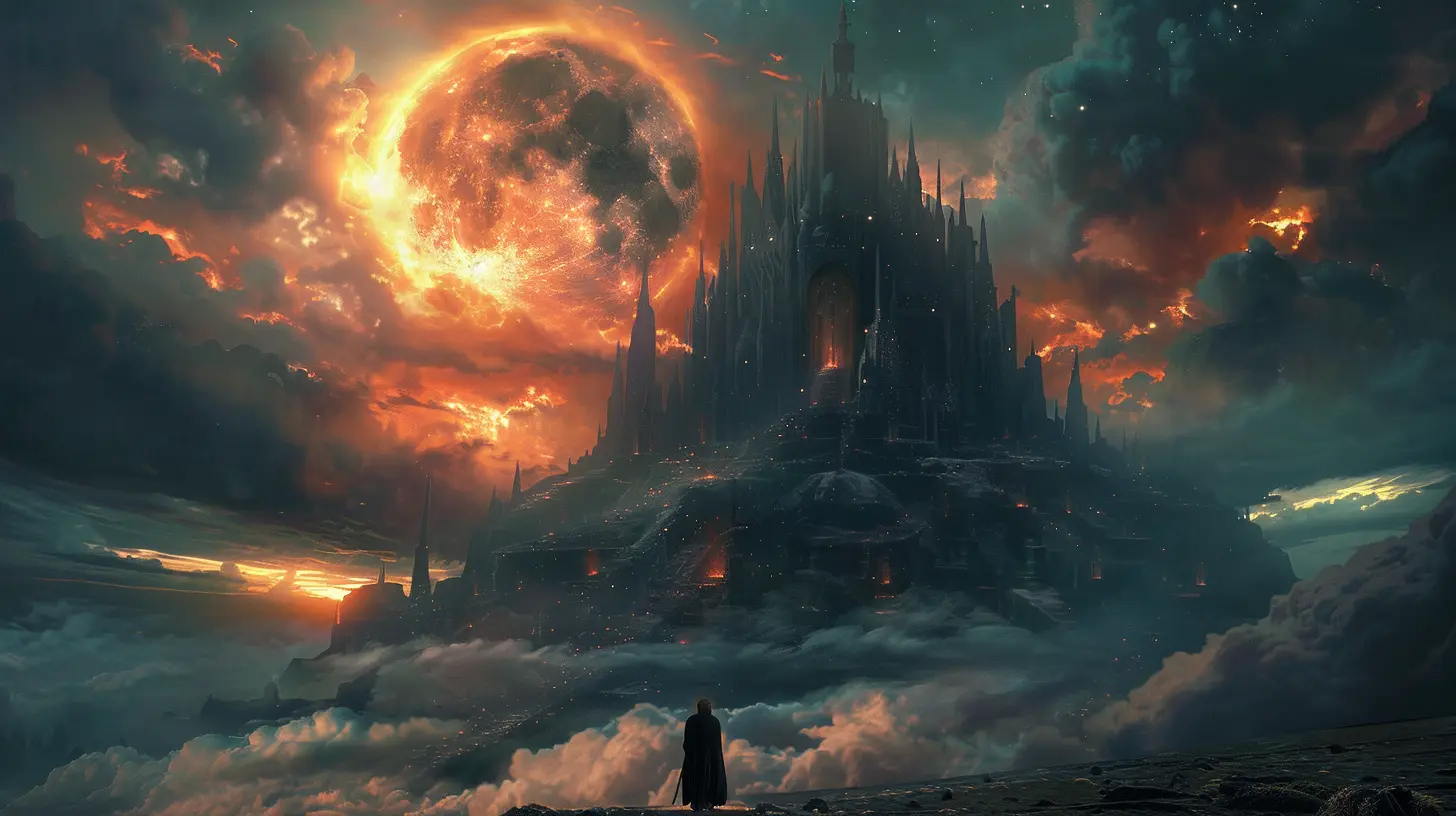
The Science Behind Game Mechanics
Game mechanics are the rules and systems that define how a game works — think movement systems, resource collection, combat sequences, and progression trees. They're the heartbeat of a game.Now imagine you're building a house. The base game gives you the ground floor. Everything works — doors open, lights turn on. But an expansion? That adds a second floor... and maybe a rooftop garden. Suddenly, your house isn’t just functional. It’s fancy.
Good mechanics often include "hooks" — little design elements that developers plan to later expand. These are like unmined ores buried in the design, just waiting for the right pickaxe.
How Expansions Unlock New Mechanics
Okay, now we get to the juicy part.Game expansions do more than add content. They switch on mechanics that were sleeping in the base game. Here's how:
1. Deepening Strategy
Many base games have simple rules to make onboarding easy. But expansions often add complexity that rewards experienced players.For example, a base deck-building card game might focus on basic attack and defense. An expansion could introduce new synergies, combo chains, or resource types — allowing advanced players to craft intricate strategies.
2. Balancing the System
Sometimes the base game is, let’s face it, a bit unbalanced. One character dominates, or one strategy always wins. Expansions often address these issues by:- Adding counterplay mechanics
- Introducing limitations for overpowered elements
- Buffing underperforming factions or abilities
It’s like patching a leaky boat — but with style.
3. Evolving the Meta
In competitive games, the meta (dominant strategies) can get stale. Expansions shake things up by changing the rules of engagement. New maps, units, or objectives can force players to adapt. Think chess suddenly allowing your knight to fly — everyone's strategies change overnight.4. Introducing New Game Modes
Sometimes expansions flip the game on its head entirely. A solo-only game gets multiplayer. A PvP shooter adds a co-op dungeon mode. Suddenly, the way you think about the game changes entirely.It’s like turning your favorite book into a choose-your-own-adventure. Same world, new possibilities.
Popular Game Expansions That Changed Everything
Let’s look at a few iconic examples of expansions that didn’t just add — they transformed.1. The Sims: Expansion Packs
From pets and seasons to supernatural beings, expansions in The Sims series completely overhauled gameplay. One minute you're managing your Sim's career, next you're casting spells and fighting vampires. These expansions turned a life sim into a sandbox fantasy world.2. World of Warcraft: The Burning Crusade
This expansion added flying mounts (game-changer), new races, and new zones. More importantly, it redefined endgame content and progression. Many WoW players still rank this as one of the most impactful expansions ever released.3. Catan: Cities & Knights
Catan was already a classic, but this expansion added a whole new dimension of strategy. New commodities, upgraded cities, and more competitive elements made it feel like a brand-new game while keeping the core intact.4. Dark Souls: Artorias of the Abyss
This wasn’t just more bosses and zones. It added lore depth and new challenges that made the original feel even richer. Many fans consider it essential, not optional.Player Engagement and Replayability
Let’s face it — games get old. But expansions are the fountain of youth.They:
- Reinvigorate Player Interest: Got bored of your favorite game? A new mechanic could pull you right back in.
- Encourage Replayability: New factions, classes, or paths make you want to start from scratch.
- Strengthen Communities: Everyone comes back to the game at once, resharing strategies and rejoining forums. It’s like a high school reunion, but with better loot.
Developers can track spikes in player activity every time an expansion drops. That’s no coincidence.
Risks of Adding Expansions
Of course, it’s not all sunshine and XP points. Expansions can go sideways too.Here are a few pitfalls:
- Overcomplication: Add too many mechanics, and you scare off new or casual players.
- Power Creep: New content can make original elements obsolete, breaking the game balance.
- Fragmentation: Multiplayer games can split their player bases with expansion-only modes/maps.
- Paywalls: Over-monetization of expansions can frustrate loyal players.
So yeah, while expansions have huge potential, they need to be crafted with care. You want a ninja’s touch, not a bulldozer’s swipe.
Tips for Developers: Expanding Without Overcomplicating
Alright, devs — this one’s for you.Want to unlock hidden mechanics without alienating your fanbase? Try this:
- Stick to the Core: Expansions should enhance, not replace. Build upward, not sideways.
- Introduce Gradually: Don’t dump ten new systems at once. Ease players in.
- Use Community Feedback: Players often spot potential in mechanics the devs didn’t even consider.
- Keep It Modular: Let players opt in or out of complex mechanics. Optional rules are your friend.
- Balance New With Old: Always make sure expansions don’t make the base game feel irrelevant.
Remember, you’re not just adding content — you’re revealing what the game was always capable of.
Final Thoughts
So, there you have it — game expansions are so much more than DLC or bonus levels. They’re portals to untapped depth, new strategies, and fresh experiences. They don’t just add variety; they reveal potential that was always hiding beneath the surface.It’s like finding a secret passage in your favorite castle. You thought you’d seen all there was, but suddenly there’s a whole new wing filled with treasures, traps, and lore. That’s the magic of a well-designed expansion — it doesn’t change the game, it completes it.
Whether you're a developer looking to expand wisely, or a player eager for new challenges, keep this in mind: the best games aren’t just played — they evolve. And expansions are the key to that evolution.
all images in this post were generated using AI tools
Category:
Game ExpansionsAuthor:

Greyson McVeigh
Discussion
rate this article
2 comments
Darrow McNab
Expansions are like the secret sauce in gaming—just when you think you’ve seen it all, they spice things up! Who knew that adding a few new mechanics could turn your beloved game into a wild buffet of chaos and fun?
April 13, 2026 at 3:38 PM
Jacob McMahon
Expansions are like game mechanics wearing party hats—unexpected fun just waiting to be discovered!" 🎉🎮
April 12, 2026 at 4:51 PM
Greyson McVeigh
Absolutely! Expansions breathe new life into familiar mechanics, revealing exciting layers of strategy and creativity. 🎉