How Expansions Influence Game Ratings and Reviews
30 December 2025
If you’ve been in the gaming scene for more than five minutes, you’ve noticed something: games rarely end with the base game nowadays. DLCs, updates, and expansions have become the norm. And while content updates can breathe new life into a game, they can also shake up how that game is perceived. So, how exactly do expansions influence game ratings and reviews? Let’s break it down.
What Are Expansions, Really?
Before we dive deep, let's get one thing straight—what qualifies as an expansion?An expansion pack isn’t just new skins or a fancy weapon tucked in a loot box. We’re talking about significant add-ons that bring new storylines, characters, maps, mechanics, or even game modes. Think of them as the "sequel before the sequel." They don’t replace the base game; they build on it—sometimes for better, sometimes for worse.
You’ve probably seen this with huge titles like The Witcher 3: Wild Hunt – Blood and Wine or World of Warcraft’s many add-ons. These aren’t minor tweaks; they’re practically new games hiding inside the old one.
The First Impression Game: Base Version vs. Expanded World
Let’s face it—first impressions stick. When a game launches, that initial wave of ratings and reviews sets the tone. Reviewers and players alike drop their two cents, often based only on the core experience. But then, a few months (or years) later, the expansion drops.And here’s where things get tricky.
If the base game had glaring issues—like bugs, limited content, or a shallow story—an expansion can act like a second chance. It’s like dating someone who showed up late and unprepared the first time but totally redeems themselves on the second date. Sometimes, people give that kind of effort a pass, right?
On the flip side, if the base game was already loved and praised, an expansion that fumbles the ball could actually hurt the overall perception. It’s like putting ketchup on a fancy steak—why ruin a good thing?
The Review Rewriting Effect
Game reviewers don’t always come back to re-review a title once expansions roll out, but players definitely do. Platforms like Steam or Metacritic have dynamic scores that shift over time, based on ongoing player reviews. That’s where expansions can start to sway the numbers.Positive Rewrites
Here’s something cool: a stellar expansion can completely turn public perception around. Remember No Man’s Sky? That game’s original launch was rough (putting it nicely), but after numerous expansions like Next, Beyond, and Origins, both user scores and critic reviews started to climb.People were singing a very different tune. It wasn’t just a “dead game resurrected”—it became a poster child for redemption arcs.
Negative Fallout
But it doesn’t always swing upward. Take Destiny 2. Some expansions like Forsaken were praised, but others—Curse of Osiris, for example—drew criticism for being lackluster or overpriced. When an expansion is weak, incomplete, or leans too hard into monetization, people notice. And they’re not shy about review-bombing.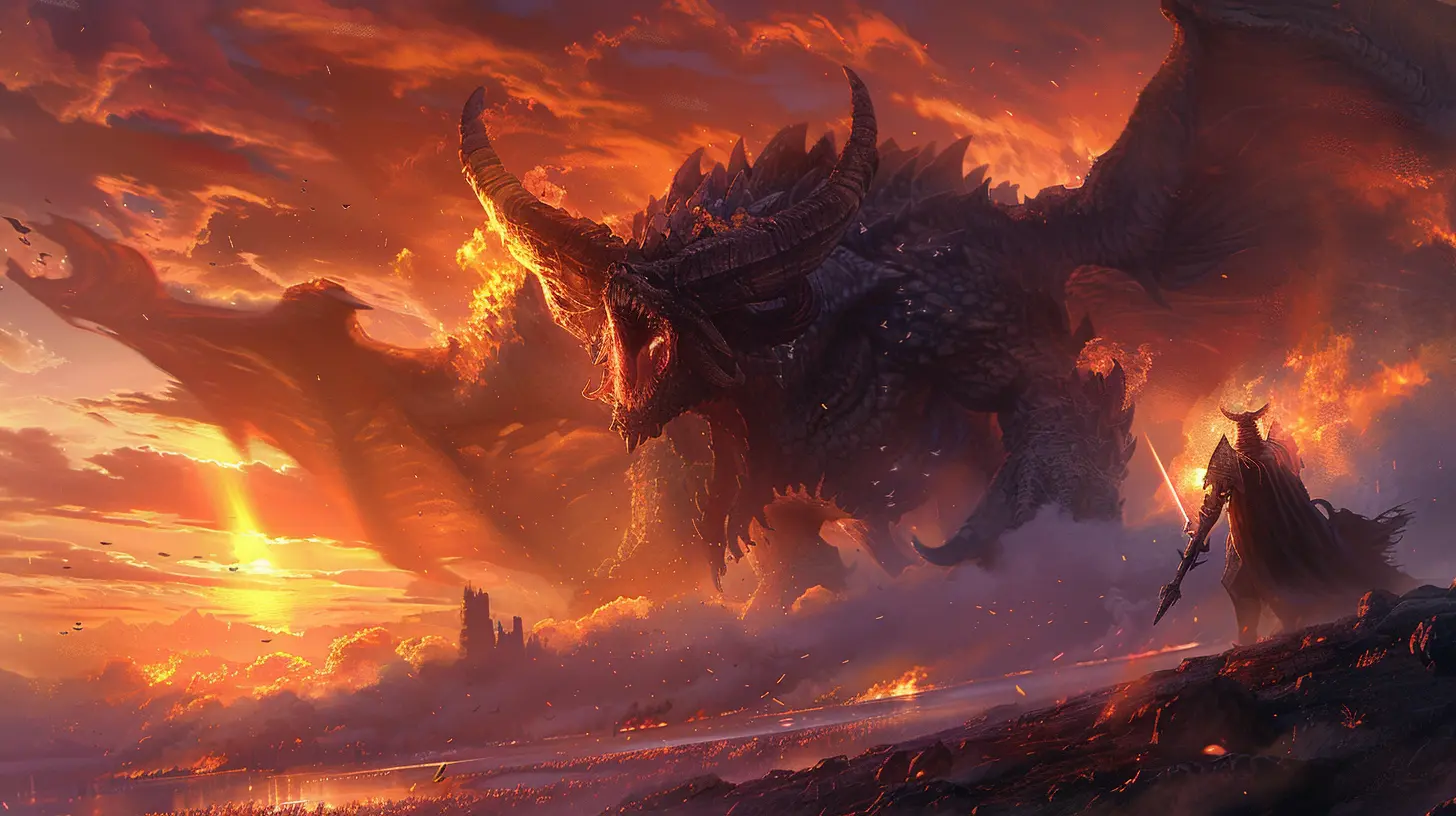
Gameplay Overhaul or Feature Creep?
Expansions often bring gameplay overhauls. That can be a blessing… or a total mess.When It Works
In certain games, expansions improve mechanics that were clunky or shallow in the base release. New skill trees, better loot systems, or reworked AI can turn a forgettable game into something people actually want to recommend.Games like Warframe have used expansion content to deepen their systems and hook returning players. It’s like buying a car that suddenly gets a free engine upgrade two years later. Who wouldn’t appreciate that?
When It Doesn’t
Then you have the dreaded feature creep—when expansions stuff in so many new systems or ideas that the game becomes bloated or confusing. Ever tried getting into Elder Scrolls Online mid-way through its expansion cycle? It can feel like jumping into a soap opera in season 8.This can alienate both new players (who feel overwhelmed) and returning ones (who don’t recognize the game anymore). Naturally, ratings take a hit.
Value for Money: Worth the Price Tag?
Let’s talk dollars and sense. Expansions aren’t always free. And when a gamer pays for more content, expectations skyrocket.If the new content offers a rich experience—say, 20+ hours of gameplay, new challenges, maybe even a whole new map—it usually earns praise. But when players feel like they’re being charged for material that should’ve been in the base game? Oh boy. That’s when the pitchforks come out.
Consumers today are super conscious of value. With so many free-to-play giants flooding the market, gamers don’t put up with half-baked expansions. Reviews reflect this too. You’ll see the words “not worth the price” haunting mediocre add-ons like a ghost.
Story Continuation vs. Retcon Confusion
Story-driven games ride hard on narrative momentum. Expansions that continue the story naturally make sense. They add depth, develop characters, and make you care more. But when an expansion tries to rewrite past events or shoehorn in lore twists? That can be divisive.Let’s be real—nobody likes retroactive storytelling unless it’s handled masterfully. Mess it up, and you end up with confused fans, angry threads on Reddit, and plummeting review scores.
On the other hand, some expansions manage to tie loose ends or provide context that elevates the whole experience. Think of Mass Effect 3’s Citadel DLC—it turned a controversial ending into a bittersweet farewell that softened the backlash. That’s the kind of narrative magic expansions can offer.
Community Hype and Its Double-Edged Sword
Hype is powerful. Once word gets out that a major expansion is coming, the community goes wild with speculation, theories, and hopes. If the expansion delivers, everyone’s happy. If it doesn’t?Well, let's just say the fall from grace is a long one.
This hype cycle plays a huge role in pre-expansion reviews and post-launch ratings. Gamers will revisit the game with fresh eyes (and expectations), and their opinions can swing drastically based on what’s delivered.
You’ve probably seen this with games like Cyberpunk 2077. The Phantom Liberty expansion helped redeem the game’s battered reputation. Without that DLC, the game might’ve remained a cautionary tale. Instead, it’s made a comeback.
Expansion Fatigue: When Enough is Enough
You know that feeling when you’ve eaten too much dessert? That’s expansion fatigue.Some games release yearly (or even quarterly) expansions with new content. At first, it’s exciting. But over time, the constant churn can wear players out. It happens a lot with MMOs or seasonal multiplayer shooters.
Eventually, the novelty wears off, and expansions begin to feel like mandatory chores rather than exciting additions. Review scores reflect this burnout. Even technically “good” expansions might get lower ratings just because players are tired.
Final Score: Is the Game Better or Worse?
At the end of the day, expansions influence game ratings and reviews by either reinforcing what the game does well or shining a spotlight on what it lacks. They can:- Redeem a bad launch (hello, Final Fantasy XIV),
- Water down a great experience (sorry, Anthem),
- Or take a mediocre game and turn it into a masterpiece (shoutout to The Witcher 3 again).
But no matter which direction they push things, expansions absolutely shift the way a game is reviewed and remembered. They’re not just “extra content”—they’re part of the game’s legacy.
So, Should You Trust Ratings Post-Expansion?
Here’s the honest truth: you should always check when a review was written.A 2017 review of a game that’s had five expansions since? Practically irrelevant. Treat it like reading a pizza menu from a closed restaurant.
Look for updated reviews, user impressions, and community feedback on platforms like Reddit, Steam, or OpenCritic. And don’t forget to adjust your expectations. An expansion might not fix everything—but it might just be enough to make the game worth your time.
Final Thoughts
Expansions aren’t just optional extras anymore—they’re crucial chapters in a game’s story. Whether they save a sinking ship, add fresh wind to a solid sail, or throw an anchor on something beautiful, they change how we view and rate games.So the next time you see a game’s score rise or fall out of nowhere, dig a little deeper. You might just find a newly dropped expansion at the heart of it.
all images in this post were generated using AI tools
Category:
Game ExpansionsAuthor:

Greyson McVeigh
Discussion
rate this article
2 comments
Katherine Monroe
Expansions often redefine the player experience, highlighting the delicate balance between nostalgia and innovation, ultimately shaping perceptions and altering the game's legacy in reviews.
January 19, 2026 at 4:26 AM
Greyson McVeigh
Thank you for your insightful comment! You perfectly capture how expansions can both honor the original experience and introduce fresh elements, ultimately impacting player perceptions and reviews.
Aiden Cole
Great article! It’s fascinating to see how expansions can reshape perceptions of a game. They often elevate the experience, but also carry the risk of disappointing expectations. Balancing these factors is crucial for both developers and players alike.
December 30, 2025 at 4:37 AM
Greyson McVeigh
Thank you! You’ve captured the essence of the challenge perfectly—striking the right balance is essential for both enhancing the experience and meeting player expectations.