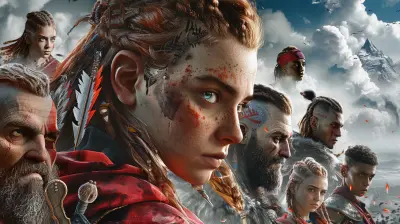
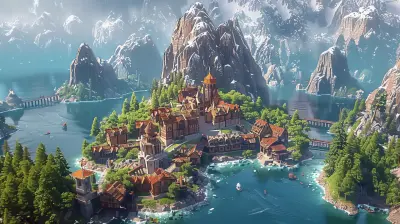
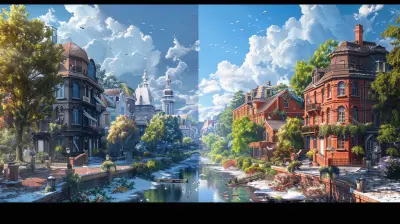
How Expansions Create New Opportunities for Multiplayer
3 May 2026
We all love a good multiplayer game, right? Whether you're running with your squad in an FPS, clashing swords in an MMORPG, or trading resources in a strategy sim, the thrill of competing (or cooperating) with real people is unbeatable. But here’s the thing — even the most addictive multiplayer game can get a little… stale over time. That’s where expansions come in.
Game expansions aren’t just glorified DLCs — they’re game-changers. Literally. They breathe new life into titles we’ve already poured hundreds of hours into. Let’s dive deep into how expansions create new opportunities for multiplayer and why they’re more than just extra content. Spoiler alert: they might just be the secret sauce that keeps your favorite games alive.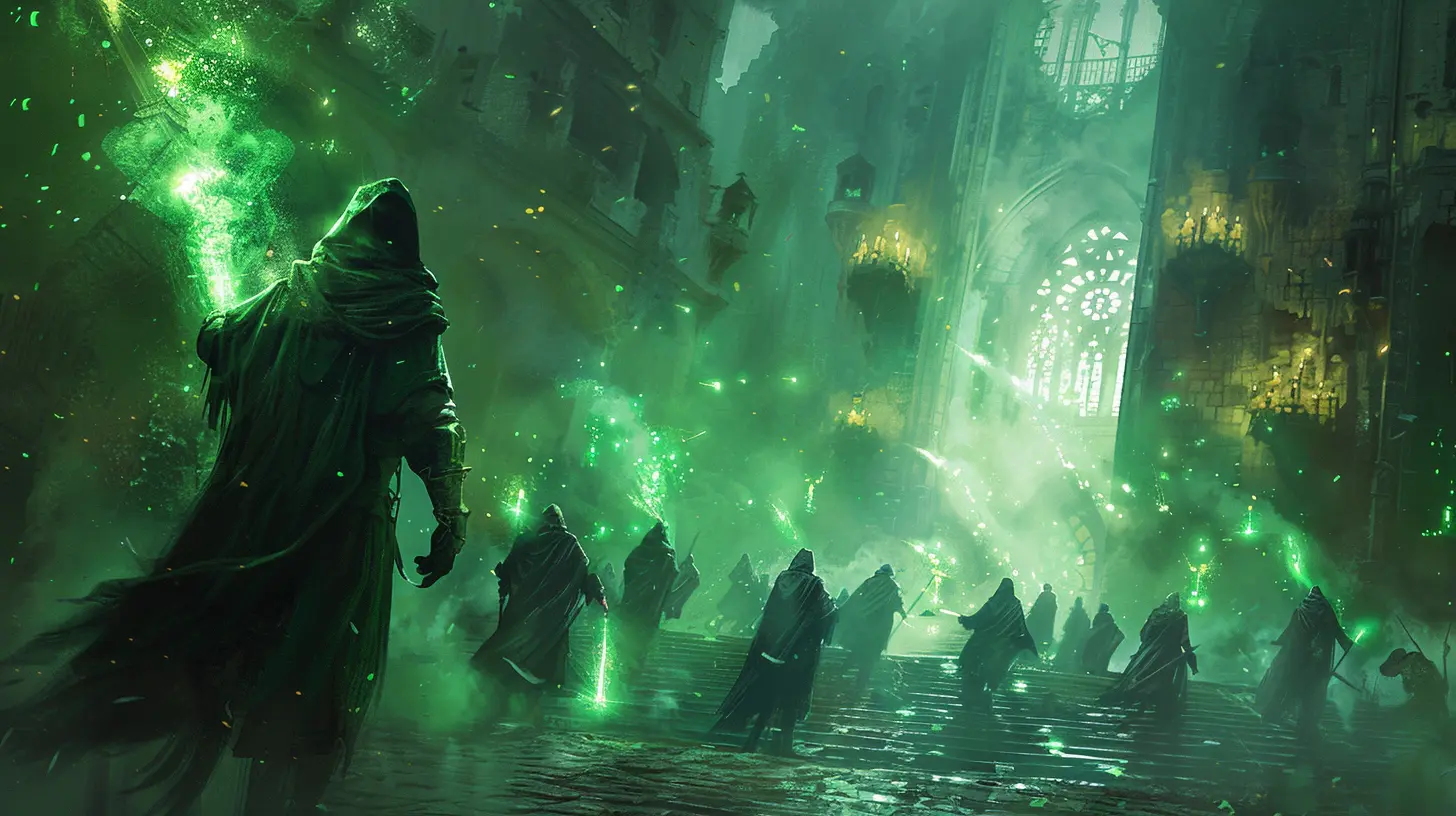
What Exactly Is an Expansion?
Before we go full throttle, let’s quickly break it down. An expansion is way more than a patch or a cosmetic skin pack. We’re talking major content additions — new maps, game modes, characters, storylines, gear, mechanics, you name it. Think of expansions like a sequel fused into your existing game. They often shake things up so significantly that the multiplayer scene has to adapt, evolve, and, in many cases, explode with new possibilities.
Why Multiplayer Games Need Freshness
Ever get that feeling where you know a game like the back of your hand? You've memorized every map, nailed every meta, and your reflexes are hard-wired for that one sniper spot on the rooftop. It's impressive… but also kinda dull after a while, right?That’s because repetitiveness kills engagement. No matter how solid your base game is, if it doesn’t evolve, players will move on. Expansions act like a defibrillator — shocking the game back to life with new challenges, different playstyles, and just enough chaos to force everyone to start rethinking their approach.
1. New Maps = New Strategies
Let’s start with the obvious one. Almost every expansion pack brings new maps. But it’s not just about adding more real estate — it’s about changing how you play.Take a game like Call of Duty or Battlefield. You might be used to tight urban combat in close quarters, and then bam — the expansion drops and you're contending with wide-open deserts or vertical mountain ranges. Suddenly, your favorite loadout isn’t as effective. That one strategy your team always uses? Might not work here anymore.
These changes force players to adapt and innovate, and that’s where the magic happens. Teams start forming new tactics, trying different weapons, finding alternate routes, and eventually shaping a whole new meta. It’s like tossing a bunch of new Lego pieces in your set — suddenly, you’re building wildly different things.
2. New Modes Bring New Social Dynamics
Here’s a fun fact: changing the objective changes the experience.When an expansion introduces a new game mode, it's not just giving you something different to do — it's changing how and why you interact with others. Let's say a game adds a co-op horde mode to what's traditionally been a PvP shooter. Now, players who usually compete are working together against waves of AI enemies. That isn't just a new mode — it’s a new multiplayer culture.
You’ll start seeing new kinds of players joining too — maybe folks who weren’t into the original PvP chaos but thrive in cooperative settings. The community grows, and more importantly, it diversifies. Just from one mode. Crazy, right?
3. Class and Character Additions Shift the Balance
Character-based games like Overwatch, Apex Legends, or even MOBAs like Dota 2 and League of Legends benefit massively from expansions. When a new hero lands on the scene, all bets are off.Every new character introduces unique abilities, strengths, and weaknesses that ripple through the entire multiplayer ecosystem. Suddenly, that one strategy everyone was using? It needs a serious tweak. New counters emerge. Synergies form. People start experimenting again.
And if you’ve spent time in competitive multiplayer, you know experimenting is where the fun is. That’s the fuel for TikTok highlight reels, YouTube guides, and endless Reddit debates. It keeps people coming back, not just to play but to figure things out all over again.
4. Expanded Lore Deepens Engagement
Now, not every multiplayer game has deep lore — but when they do, expansions can significantly enhance it, and that creates emotional investment.World of Warcraft is a classic example. Each expansion brings new zones, races, and story arcs that give guilds more reason to adventure together. But it’s not just about the story — it’s about what that story unlocks. Complex raids, legendary loot, and massive world events all become part of your shared journey.
Multiplayer, at its core, is about shared experiences. Expansions drop brand-new stories on your lap, and you get to live them with your friends. That’s not just content — it’s memories.
5. More Content Means Longer Lifespan
Let’s talk longevity.Multiplayer games live or die based on their community. If people leave, things spiral. Matchmaking takes longer. Servers feel empty. The game becomes a ghost town. Expansions help push that expiration date way back by providing ongoing value.
When players see that a game continues to evolve, they stick around. They don’t uninstall it — they reload it. And new players? They’re more likely to jump in if they see an active, thriving world to be a part of.
It’s the difference between walking into an abandoned mall vs. a bustling festival. You’re staying for the one with energy and life.
6. Community Events and Seasonal Rewards
One of the best elements expansions often bring is the introduction of seasonal content and community-wide events. Fortnite pretty much wrote the playbook on this, right?When an expansion drops with seasonal mechanics — maybe a ranked war system, exclusive skins, or timed challenges — it creates FOMO (fear of missing out). People log back on. Guilds reform. Discord servers light up again. For a brief window, everyone’s working toward the same goals.
And that sense of shared urgency? It bonds a community like nothing else.
7. Custom Game Options and Mod Support
Some expansions bring more than just maps and characters — they give tools to the community. Think custom lobbies, modding kits, sandbox modes, etc.When you give players the power to play the way they want, multiplayer scenes explode with creativity. From bizarre mini-games to full-blown fan-made expansions, this user-generated content adds a second life to what the devs originally imagined.
Look at Skyrim and how its modding community basically turned it into an eternal RPG playground. Now imagine that same principle applied to multiplayer. Expansions with mod support don’t just feed the game — they let the community become creators.
8. Crossovers and Collaborations
In recent years, expansions have become playgrounds for wild crossovers that spice up the multiplayer scene.You’ve probably seen stuff like Street Fighter characters in Fortnite, or Halo cosmetics in Destiny 2. At first glance, it sounds like just fan service — and yeah, it kinda is. But it’s also something deeper: it pulls in new communities.
Fans of other franchises come to check out the expansion. Multiplayer queues fill up. And for long-time players, it’s a jolt of novelty that breaks the routine. Everyone wins.
9. Competitive Scenes Level Up
Expansions also keep competitive multiplayer scenes fresh. Whether it’s esports or casual ranked ladders, stale metas can lead to declining interest. But when an expansion drops? Everything resets.New balance changes, new maps, reworked characters — it’s a fresh playing field. Suddenly, underdogs can rise. Strategies shift. The hierarchy crumbles and reshapes. If you’re even remotely into competitive play, this is the exciting chaos that keeps you hooked.
It’s like shuffling the deck in a poker game. Same cards, whole new game.
10. They Give Players a Reason to Return — Together
Here’s the core truth: expansions give players a reason to come back — and stick around.And more than that, they come back together. Whether it’s a trio hunting monsters in a new biome or a five-stack diving into a new ranked season, expansions power social momentum. They turn “I might log on later” into “Yo, squad up — the update just dropped.”
And let’s be honest — that’s the heart of multiplayer: shared hype, shared goals, shared wins (and losses). Expansions rev those engines like few other things can.
Final Thoughts: The Power of the Expansion
In a gaming landscape that’s always shifting, one thing remains clear — expansions are essential to keeping multiplayer games alive, thriving, and exciting. They're not just extra levels or shiny skins. They're catalysts. They ignite creativity, challenge mastery, and reignite interest.So next time an expansion rolls out, don’t see it as just more content. See it for what it really is: a new opportunity to fall in love with your game all over again — and bring your friends along for the ride.
all images in this post were generated using AI tools
Category:
Game ExpansionsAuthor:

Greyson McVeigh
Discussion
rate this article
2 comments
Arlo Pratt
Expansions are like party hats for games-they add flair, fun, and new friends to the mix. Let the multiplayer madness begin!
May 19, 2026 at 3:23 AM
Greyson McVeigh
Absolutely! Expansions bring fresh experiences and connections that elevate the multiplayer fun. Excited to see how it all unfolds!
Faryn McKibben
Expansions are like that friend who shows up with a pizza at the party-suddenly, everyone's happier and there's more to share. Who knew a few new features could turn "just a game" into "the best night ever"? Game on!
May 17, 2026 at 4:44 PM
Greyson McVeigh
Absolutely! Expansions really do bring a fresh vibe and new excitement, turning a good time into something unforgettable. Game nights just get better!