How Expansions Can Revolutionize Pacing and Level Design
14 June 2026
In the gaming world, expansions are way more than just extra content—they’re game-changers, literally. Whether it's a massive DLC packed with new missions or a subtle systems tweak that shifts the very rhythm of play, expansions can breathe new life into games in ways we often overlook.
So, let’s dive deep into a topic that deserves way more love: how expansions can revolutionize pacing and level design. If you're a gamer, developer, or just curious about what makes a game truly engaging over time, you're in for a ride.
What Are Expansions in Games, Really?
Before we go any further, let’s make sure we’re on the same page. When we talk about expansions, we're not just talking about cosmetic skins or season passes full of emotes. We're talking about story-rich DLCs, new maps, mechanics, characters, or even total revamps that alter how players interact with the game.Think of The Witcher 3’s “Blood and Wine,” or Destiny 2’s major seasonal content drops. These aren’t just tacked-on levels—they’re meaningful extensions of the game’s soul.
Pacing 101: How It Impacts Player Experience
First off, what’s pacing in a video game? Simple—it’s the rhythm of gameplay. It’s that flow between combat and calm, tension and relief, story moments and open exploration. Great pacing feels like a rollercoaster: thrilling, maybe a little scary, but always controlled.Now here's the deal: in base games, pacing often has to cater to the widest audience possible. But expansions? That’s where devs get to play around a little more.
How Expansions Shake Up the Tempo
Here's where things get spicy. Let’s break down exactly how expansions shake up and reimagine a game’s pacing.1. They Inject Fresh Momentum
Ever feel like a game got stale halfway through? Maybe combat became predictable, or the story’s tension fizzled out. This happens more often than we’d like. Expansions come in like a jolt of espresso, freshening up the pace and re-engaging the player.A well-timed DLC can:
- Introduce a new enemy type or mechanic.
- Add fast-paced missions that contrast with slower parts of the main game.
- Provide narrative twists that reframe your past choices.
Suddenly, the game’s rhythm changes—and you’re hooked again.
2. They Allow for Experimental Pacing
Main games have tight deadlines, budget restrictions, and mass-market expectations. Expansions? Not so much.Developers often use them to play with pacing in ways that might feel too risky in the core game. For instance, Red Dead Redemption 2's slow narrative pace was flipped on its head by its online additions, which are quicker, punchier, and appeal to bite-sized play sessions.
Here, developers aren't afraid to bend the rules.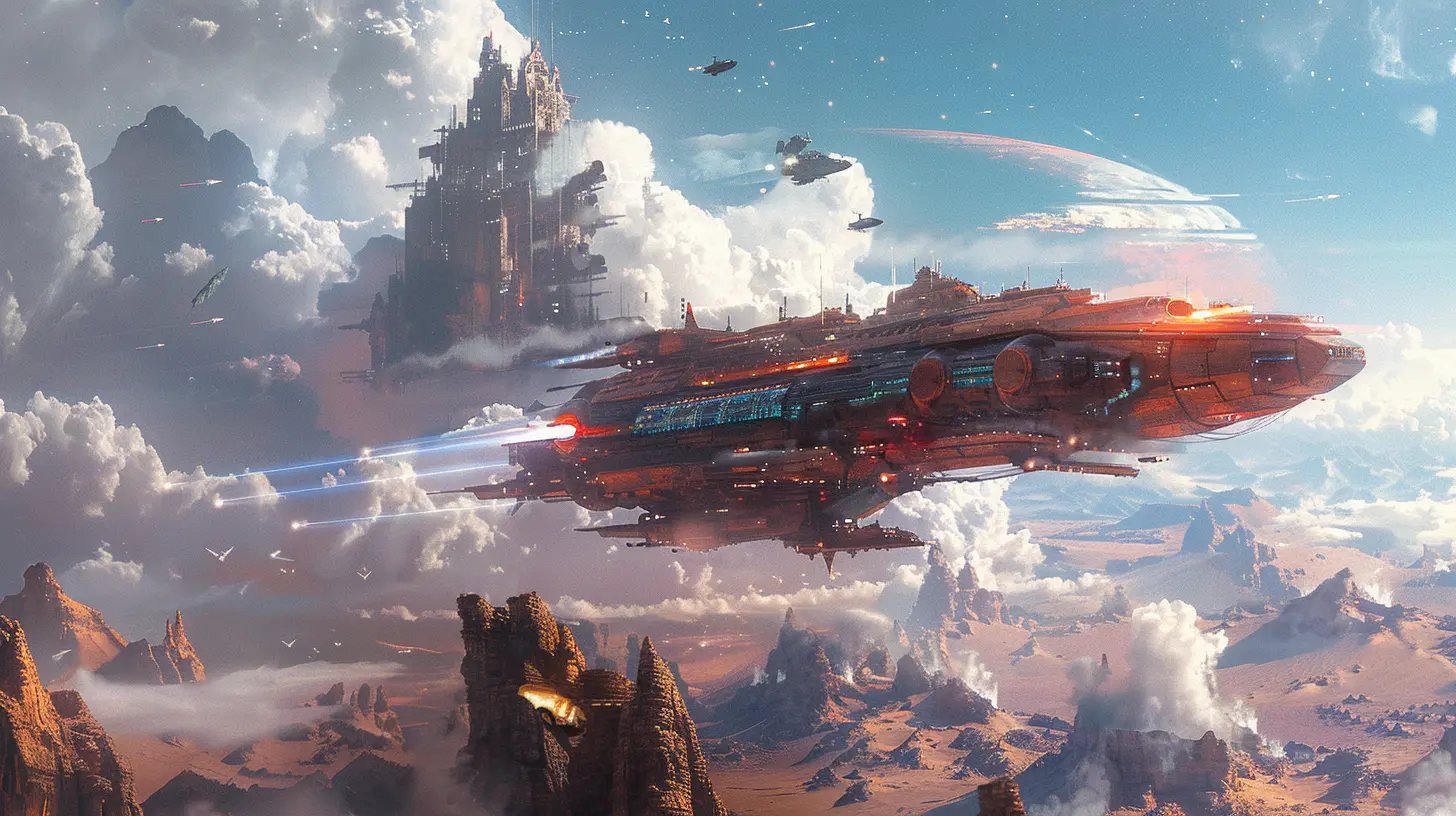
Reinventing Level Design With Expansions
Now let’s talk about level design. This isn’t just about where doors and enemies go—it’s about how players experience the world. Great level design guides you without a map, challenges you without unfairness, and rewards your curiosity.Here’s how expansions flip level design on its head:
1. They Break Physical and Narrative Boundaries
In expansions, creators often feel free to introduce entirely new settings that would've been “too different” for the base game.Take Skyrim’s “Dragonborn” DLC: it transports you to Solstheim, a new island filled with unique architecture, enemies, and environmental storytelling. This isn’t just more of the same; it’s a complete shift in landscape—and gameplay.
This fresh terrain opens up:
- New traversal mechanics (e.g., flying in World of Warcraft expansions).
- Non-linear designs that encourage exploration over directed movement.
- Enhanced verticality or environmental puzzles that weren’t possible before.
2. They Reward Veteran Players With Complex Levels
Expansions often assume you've “gotten good” at the game by now. That means level design can ramp up in complexity. We’re talking intricate mazes, enemy placements that demand real strategy, and puzzles that would’ve stumped new players.Imagine it like a band’s second album. The first one hooked you with popular riffs—but the second? That’s where they flex their musical chops. Game devs do the same.
You’ll see:
- Multi-layered map layouts.
- Situational mechanics only used in certain zones.
- Narrative-heavy hubs that double as gameplay challenges.
3. They Re-purpose Existing Assets In Genius Ways
Here’s a trick developers love to use: taking old areas and flipping them on their heads. An abandoned town from the base game? Now it’s crawling with undead and part of a time-loop narrative.This not only saves resources—it fosters nostalgia with a twist. It invites returning players to see things with fresh eyes. Smart, right?
Case Studies: How Expansions Nailed It
1. The Witcher 3: Blood and Wine
If we’re talking level design and pacing, this expansion is textbook. Toussaint is a vibrant contrast to the gloom and doom of Velen. The pacing becomes more whimsical, more political, and more personal.The design mirrors that shift. Vineyards and bright courtyards replace swamps, and missions begin to hinge on detective work rather than brute force.
2. Dark Souls III: The Ringed City
Dark Souls is already known for its master-class level design, but this DLC took the crown. Vertical levels, maze-like layouts, and ambush-heavy enemy placements deliver a feast for hardcore fans. The pacing is brutal and relentless, but deliberate.Fans affectionately call it a "love letter and a goodbye"—it’s that good.
3. Breath of the Wild: The Champions’ Ballad
This expansion refines pacing with its initial trials—forcing players to rethink combat with limited tools. Then it transitions into lore-rich, exploration-heavy content. The level design reinforces this change through ancient shrines that feel like mini escape rooms.The Player's Journey: How Expansions Impact Engagement
At the heart of it all, this isn’t about mechanics or maps—it’s about you, the player.When an expansion changes pacing, it changes how often you play, how deeply you engage, and how emotionally invested you are.
Here’s why that matters:
- Reinviting fatigue: Expansions dilute the burnout that can come from long-term play.
- Emotional pacing: They offer emotional climaxes the base game didn’t deliver.
- Replay value: Great expansions make you want to start the whole game over just to get back to that new content with fresh eyes.
What Can Developers Learn From This?
If you’re making a game—or even thinking about it—here’s the big takeaway: Expansions aren’t just add-ons. They’re opportunities.Opportunities to:
- Take risks.
- Amplify your narrative.
- Deepen your world-building.
- Restructure challenges and rewards.
Great expansions respect the player’s time while rewarding their commitment. And in turn, those players often become lifelong fans.
The Future: Dynamic Expansions and Live Worlds
Expansion content is evolving. We’re now seeing live expansions, where the world shifts weekly or monthly. Games like Fortnite, Destiny 2, and Genshin Impact push ever-evolving content that blurs the line between base game and expansion.These evolutions don’t just add content—they actively re-shape pacing and design over time. One month you're scavenging resources. The next, you're fighting in full-blown wars. It's like living in a constantly changing storybook.
Final Thoughts: Why It All Matters
So here’s the big picture: expansions have the power to redefine how we experience games. They can resuscitate dying titles, push creative boundaries, and re-engage players with fresh pacing and bold level design.Next time you download an expansion, take a moment. Pay attention to how it feels. Is the pace different? Are you playing more often? Is the world pulling you in deeper?
Chances are, that’s not an accident. That’s great design at work.
all images in this post were generated using AI tools
Category:
Game ExpansionsAuthor:

Greyson McVeigh
Discussion
rate this article
1 comments
Charlie McMurtry
Expansions can truly reshape gameplay, offering fresh pacing and innovative level design that keeps everything engaging and exciting.
June 22, 2026 at 4:41 AM
Greyson McVeigh
Absolutely! Expansions can inject new life into gameplay, making every session feel fresh and dynamic.