Games with the Most Believable AI Characters
31 March 2026
Have you ever paused mid-game and thought, “Wait… is this character actually thinking?” If so, chances are you've come across one of those rare gems where artificial intelligence doesn’t just feel like a bunch of scripted lines—it feels real. The best AI characters don’t need to be full-blown companions or even friendly. They just need to behave in ways that make us second guess whether there’s a human behind the screen.
In this article, we’re diving headfirst into the world of video games that have raised the bar in creating believable AI characters. And no, we’re not just talking about enemies who duck for cover after hearing a noise. We’re talking personalities, decision-making, emotional depth—the whole digital enchilada.
Why Believable AI Matters in Gaming
Before we dive into the list, let’s take a quick timeout: why does believable AI even matter in a game?Well, imagine this—you’re in a high-stakes shootout and your AI partner casually walks into enemy fire like a clueless tourist. Frustrating, right? Now flip that. Picture an AI teammate who actually anticipates your moves, flanks enemies with you, and even reacts emotionally to what just happened. That changes everything.
Believable AI characters can make or break immersion. They turn story-driven games into unforgettable adventures and action-packed shooters into tactical chess matches. In short, they’re the secret sauce to next-level gaming.
Alright, ready to meet the games that nailed it? Let’s go!
1. The Last of Us Series – Ellie and Companions
If there’s a gold standard for AI characters, Ellie from The Last of Us might just be it. While you, as Joel, are sneaking around clicker-infested hellholes, Ellie actually helps you. She’s not just hiding—she’s throwing bricks, warning you of danger, and later in the series, handling full-on fights.The AI here does more than react. Ellie and other characters feel deeply human, smart enough to adapt to situations while still making the occasional mistake—just like a real person. Their conversational snippets, anxious glances, and natural pathing through environments make them feel alive.
When AI doesn't get in the way and instead enhances your emotional connection to the story? That’s breathing life into code.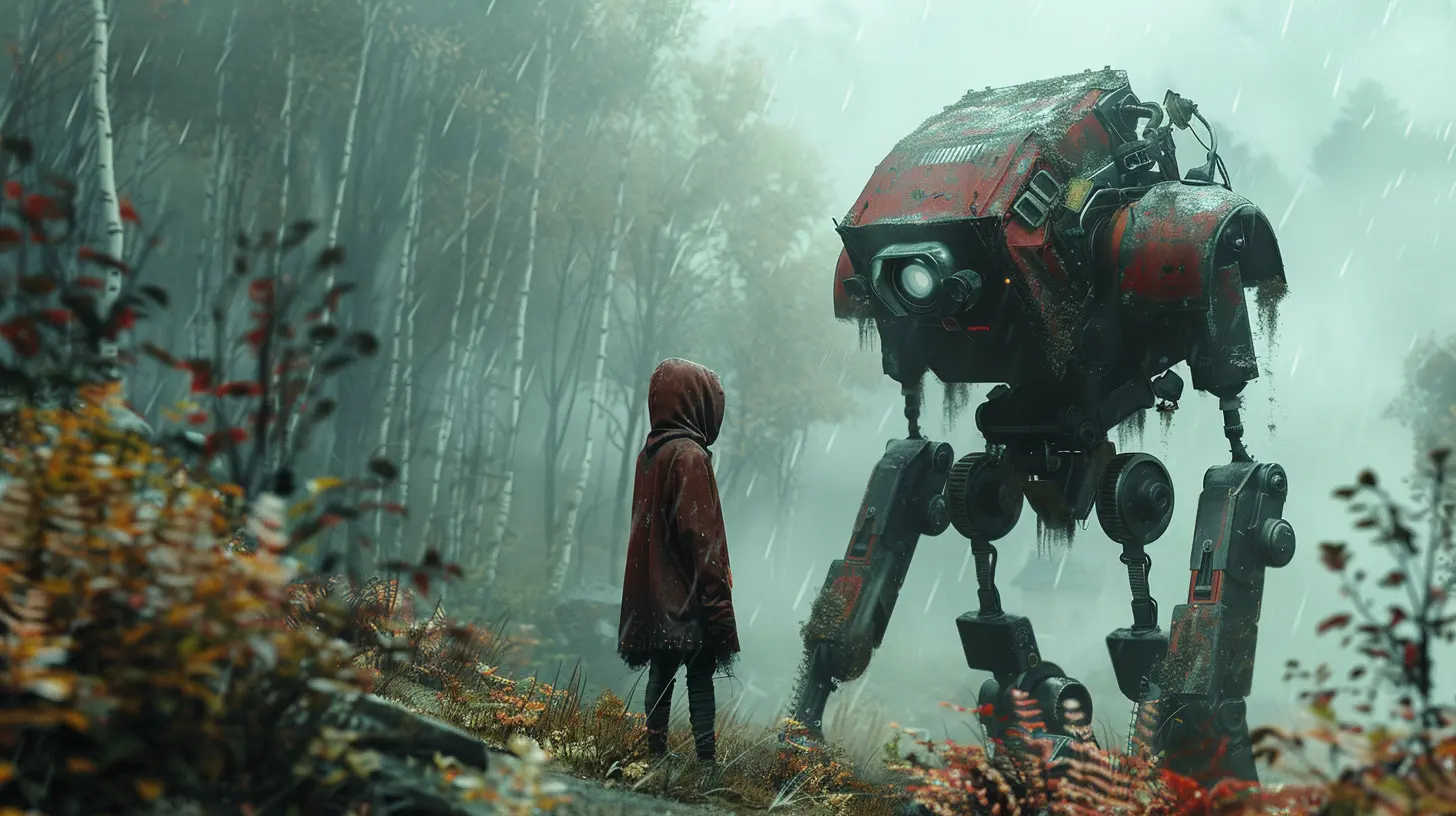
2. Red Dead Redemption 2 – Everyone Out There
Seriously, almost every NPC in Red Dead Redemption 2 deserves a round of applause. Rockstar went all-in on giving the world of RDR2 more than just a pretty face.People remember Micah’s betrayal and Arthur Morgan’s redemption, but let’s not ignore the unsung heroes: the townsfolk. Talk to a shopkeeper too many times and they’ll get snarky. Kill someone? An entire community might shun—or fear—you.
Even wildlife behaves in weirdly lifelike ways. Horses get scared by gunshots, wolves hunt in packs, and birds scatter if you get too close.
It’s not just the leads that feel real—it’s the whole freakin’ sandbox.
3. Alien: Isolation – The Xenomorph
Alright, hear me out. The Xenomorph in Alien: Isolation is terrifying not just because of how it looks, but because of how it behaves.The AI in this game is a masterclass in tension. The alien isn’t just following a script. It’s dynamically hunting you, adapting to your hiding strategies, and learning your patterns. Try hiding in lockers too often and guess what? Yep—it starts checking every locker it passes by.
It’s like playing hide-and-seek with the Terminator, if the Terminator had a PhD in psychological warfare.
The best part? It doesn’t cheat. The Xeno doesn’t have x-ray vision or know your exact location. It anticipates. It senses. It hunts. You don’t play this game—you survive it.
4. F.E.A.R. – Enemy Soldiers
Way back in 2005, F.E.A.R. did something unheard of: it made enemy soldiers smart.These guys don’t just rush at you like headless chickens. They’ll flank, take cover, coordinate attacks, and even run away to regroup. It’s like a tactical dance, and you’re forced to stay on your toes the whole time.
What makes it stand out today is that so few modern shooters have matched this level of competence in enemy AI. It’s kinda sad how rare this still is.
F.E.A.R. proved that believable AI doesn’t always need a face or backstory—sometimes, responsive enemies are all you need for immersion.
5. Half-Life: Alyx – The Combine and Russell
Virtual reality brings a whole new level of immersion, but Half-Life: Alyx takes it a step further with AI that reacts to you like it's actually there.Your AI buddy Russell stays connected through your headset, giving advice, cracking jokes, and reacting to what you’re doing in real-time. It feels like a genuine friendship evolving over the course of the game, even though he’s not physically present.
Meanwhile, the Combine soldiers show a surprising amount of intelligence during combat. They’ll flush you out, trap you, and use cover effectively. For a VR title, this level of AI polish is super impressive.
Believable AI in VR? Consider the bar raised.
6. Middle-earth: Shadow of Mordor & Shadow of War – The Nemesis System
Now we’re talking innovation. The Nemesis System in Shadow of Mordor and its sequel changed the way we think about enemy AI.Orcs in these games don’t just respawn and forget you. No, they remember. They taunt you, adapt to your tactics, and even hold grudges. Defeat a captain? He might come back with scars and a vendetta. Die to one? He ranks up and gloats about it.
Each enemy feels like a mini-rival, with stories that evolve as you play. It’s procedurally generated storytelling, powered by AI—and it’s brilliant.
If you've ever felt like your gameplay actually mattered to the world, this is why.
7. Bioshock Infinite – Elizabeth
Let’s be honest, most AI companions are more babysitting than partnership. But Elizabeth in Bioshock Infinite is different. She’s helpful without being in-your-face, and most importantly—she’s believable.She reacts to the environment, hands you ammo and health mid-fight, and even points out important objects. Plus, her interactions with Booker and the world around them are loaded with emotion. She’ll sit on a bench, lean on a railing, and explore independently like a curious human would.
There’s this sense that she’s not just with you—she’s part of the world. That subtle distinction makes all the difference.
8. The Sims Series – Procedural People Power
Okay, hear me out. The Sims might seem simple, but those AI characters have evolved a LOT over the years.They develop routines, relationships, and even individual personalities. Some are neat freaks, some are hopeless romantics, and others just want to burn everything down (lookin’ at you, Bob Pancakes).
These virtual lives react to the choices you make, but they also carry on living without your input. It’s like being part game designer, part reality show producer.
And when a Sim starts sobbing after a breakup you caused three virtual weeks ago? That’s next-level immersion.
9. Detroit: Become Human – Decision-Based Intelligence
Quantic Dream’s Detroit: Become Human is basically a playable movie, but what sets it apart is how intelligently every character behaves—especially the AI ones.Connor, Kara, and Markus each have distinct personalities, complete with moral compasses that shift based on your decisions. It’s like watching a butterfly effect unfold in real-time.
What’s wild is that the game keeps track of hundreds of branching choices. Characters can die, betray you, become revolutionaries—or just fade into the background. The AI adapts to your story, making each playthrough genuinely different.
It's a game that makes you feel the weight of AI consciousness—which is kinda wild when you think about it.
10. Metal Gear Solid V: The Phantom Pain – Adaptive Enemies
In MGS V, your enemies are paying attention. Use headshots too often? They’ll start wearing helmets. Come in at night with silenced weapons? They get night-vision goggles.Enemies learn from your tactics like a real militarized force would. It's not just about shooting your way through—it's about evolving your strategy because they’re evolving, too.
This kind of reactive AI keeps the gameplay loop fresh and forces you to stay adaptable, which is more than most games can say.
Final Thoughts: AI Characters Are the Future of Immersion
Let’s face it: graphics are getting better, stories are getting deeper, and gameplay mechanics are more refined than ever. But it’s believable AI that holds the key to truly immersive gaming.Whether they’re your best buddy, your worst enemy, or just a passerby in a bustling digital world, AI characters that feel “real” raise the entire experience. They make us care. They make us sweat. They make us believe.
As AI continues to grow in leaps and bounds, it’s exciting (and maybe a little scary) to imagine just how lifelike our in-game companions and rivals will become in the next few years.
So here’s to the devs working their magic behind the scenes—because when AI is done right, we’re not just playing games anymore. We’re living them.
all images in this post were generated using AI tools
Category:
Top GamesAuthor:

Greyson McVeigh
Discussion
rate this article
2 comments
Simon Willis
Exploring games with believable AI characters opens up a world of immersive experiences! These digital companions not only enhance gameplay but also inspire us to reflect on our own relationships and interactions. Let's celebrate creativity in gaming!
April 2, 2026 at 4:12 AM
Greyson McVeigh
Absolutely! Believable AI enhances immersion and prompts meaningful reflections on our own relationships, showcasing the creativity and potential of gaming. Thank you for your insights!
Ainsley Sharp
Great article! It’s fascinating to see how far AI has come in gaming. Titles like “The Last of Us” and “Red Dead Redemption 2” truly showcase realistic character interactions.
April 1, 2026 at 3:27 AM
Greyson McVeigh
Thanks for your kind words! I completely agree-AI has made a huge impact on storytelling and character depth in games.