Games That Challenge Traditional Hero Narratives
6 July 2026
Let’s be real for a second—most video games love themselves a good ol’ fashioned hero tale. Cue the epic music, the noble protagonist, the clearly evil villain twirling their metaphorical mustache, and boom—story time. But not all games play by those rules anymore. Some games toss out the rulebook, light it on fire, and then roast marshmallows over the ashes. And honestly? It’s refreshing.
Today, we’re diving headfirst into some of the boldest, weirdest, and most thought-provoking games that flip traditional hero narratives on their head. So go ahead, grab a snack, and let’s get into these narrative rebels.
What Even Is a "Traditional Hero Narrative"?
Before we go pointing fingers (lovingly, of course), let’s talk about what a traditional hero narrative looks like. Think: savior complex, black-and-white morality, the Chosen One trope, and usually, a whole lotta destiny talk.Games like The Legend of Zelda or Final Fantasy wear these tropes like a shiny badge of honor—hero saves the world, kisses somebody (optional), credits roll. Nothing wrong with that. But it's kinda like always ordering vanilla ice cream. Sometimes you want rocky road, or heck, wasabi flavor just to switch it up.
When Games Say, “Nah, Let’s Get Weird”
Some developers clearly looked at the traditional hero formula and said, “How about we don’t?” These games dare to ask: What if the hero isn’t actually that great? What if the villain has a point? What if you are the villain? Mmm, spicy.Here are a bunch of standout titles that break the mold—and why they matter.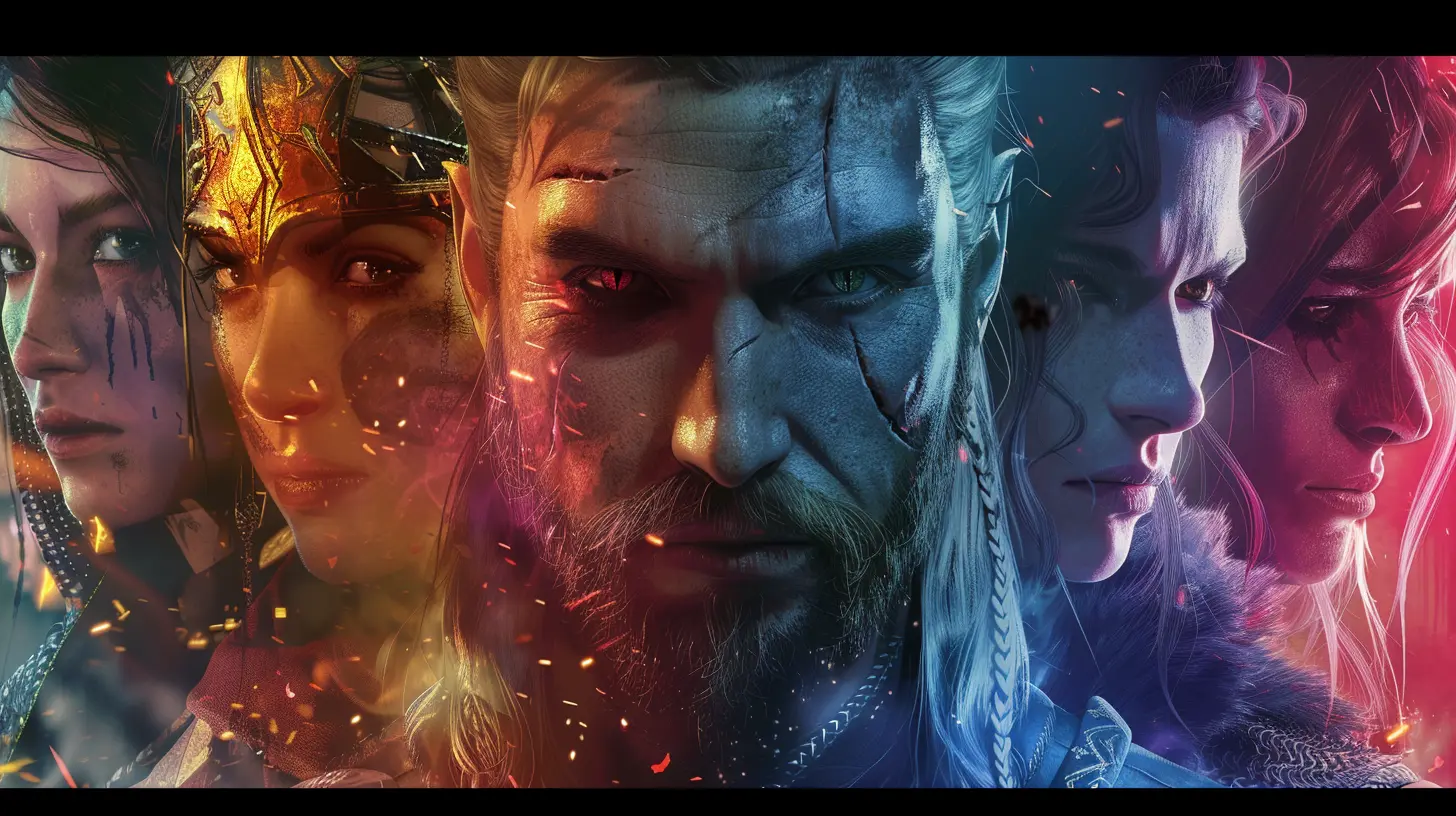
1. Spec Ops: The Line – When the Hero Becomes a Monster
Let’s kick things off with a title that basically punches you in the soul. Spec Ops: The Line starts out looking like your average military shooter, but don’t let the sand dunes and guns fool you.You play as Captain Martin Walker, a dude who just wants to help. But the more you press forward, the more things spiral into morally murky chaos. The kicker? The game makes you commit questionable actions. By the end, you're questioning who the real villain is—because surprise, it might be you.
It's like peeling an onion soaked in guilt and trauma. Crying is optional but encouraged.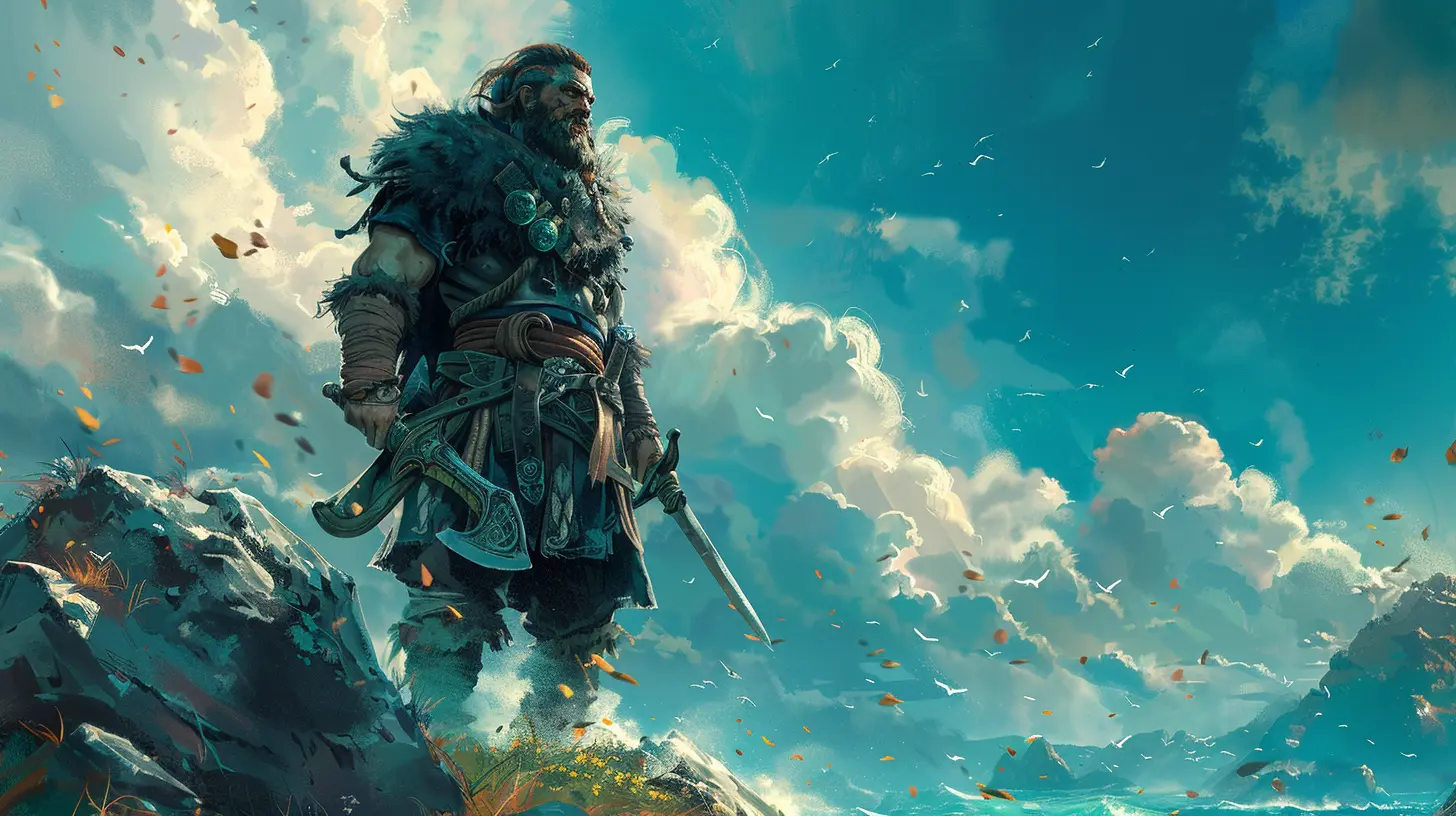
2. Undertale – What If You Didn’t Have to Kill Anyone?
Undertale gives us a pixelated punch in the face—and we love it for that. You play a kid who falls into the Underground, home to adorable and terrifying monsters. Here’s the kicker: you don’t have to kill a single soul to win.This game flips the script entirely. It challenges you at every turn with the idea that violence doesn't have to be the answer. And if you do decide to go all murder-happy? Well, the game remembers. Forever.
It’s like going to a petting zoo and then realizing the goats remember your face when you steal their hay. Actions have consequences, people.
3. The Last Of Us Part II – Narratives That Sting
Oof. This one. The Last of Us Part II is basically a masterclass in making the player feel emotionally shredded.Without dropping spoilers: you start off thinking you’re on a righteous path. You’re wrong. The game flips the perspective later in a bold move that forces you to empathize with someone you thought you hated. It’s uncomfortable. It’s brilliant. It’s what storytelling looks like when developers aren’t afraid to shake things up.
Imagine thinking you're watching a superhero movie, and halfway through, the camera switches to the “villain” who's just trying not to drown in grief.
4. Bioshock – Free Will Is a Lie, Apparently
“Would you kindly” play a game that absolutely messes with your brain?Bioshock isn’t just about shooting up mutated folks in an underwater city. It’s also a philosophical gut punch. You think you’re the hero doing good things... until you realize you've been manipulated the entire time. Like a puppet on invisible strings.
It’s storytelling judo—using your own assumptions against you. Suddenly, your heroism feels less like choice and more like programming.
5. Papers, Please – Not All Heroes Wear Capes… Some Stamp Visas
Then there’s Papers, Please, where you’re not fighting aliens, zombies, or megalomaniacs. You're a border control agent in a fictional Eastern Bloc country.Yep, the entire game is about checking paperwork.
Sounds boring? Think again. The moral dilemmas here pack more tension than a battlefield. Do you let a desperate mother through even if her docs are off? What if it costs your family their food for the week?
You're no legend. You're just a cog in a cruel system. And yet, the choices you make can ripple in powerful—and heartbreaking—ways.
6. Shadow of the Colossus – Slaying Giants… or Innocents?
On paper, Shadow of the Colossus sounds like a classic hero quest. You’re trying to save a loved one and need to defeat sixteen towering beasts to do it.But hold up. These colossi aren’t aggressive. In fact, most are just chilling when you roll up with a sword and start stabbing. The game never directly says you’re the villain, but it practically begs the question: Are you really the hero if you're destroying peaceful beings for personal gain?
It’s less “save the princess” and more “sacrifice morality.”
7. Disco Elysium – The Anti-Hero Simulator
Enter Disco Elysium, a weirdly philosophical detective RPG where you wake up hungover with no memory of who you are. Sounds like a party, right?Here, your character isn’t noble, brave, or even functional half the time. You’re messy. Beautifully broken. And yet, despite all that, you’re still trying to solve a murder and make amends.
This game doesn’t hand you hero status—you have to earn it, one existential crisis at a time. It’s like playing hero with a head full of bees and a heart full of regrets.
8. Hades – A Godlike Roguelike… Without the God Complex
We’ve got a son of Hades trying to escape Hell. Sounds heroic, right? Well, yes and no.Hades challenges the idea that the hero’s journey is about triumph. Zagreus dies. A lot. And comes back. Every. Single. Time. The loop isn’t about slaying a final boss—it’s about understanding your family, your past, and your purpose.
And unlike traditional myth-based stories, this one humanizes its gods and heroes. They’re flawed, humorous, petty, and surprisingly empathetic. It’s like sitting at a dysfunctional holiday dinner with immortals.
Why These Narratives Matter (More Than You Think)
Here’s the deal: these unconventional stories do more than just entertain. They challenge us, throw us off our comfy gamer thrones, and make us reflect—on morality, choice, and what it even means to be a “hero.”In a world where media often paints everything in black and white, games like these remind us that life is mostly lived in the grays. And maybe, just maybe, that’s where the real beauty is.
Flipping Tropes is the New Cool
Look, we’re not saying the traditional hero tale is dead. Far from it. There’s still a place for epic quests, noble warriors, and evil sorcerers. But when games shake up the formula? That’s when things get juicy.And judging by the rise of morally complex, narratively twisted games, the gaming world is hungry for more.
So next time you boot up a new game, ask yourself: Am I the hero… or just the star of my own delusion?
Final Thoughts: Embrace the Narrative Curveballs
At the end of the day, the most unforgettable gaming experiences are the ones that surprise us. It’s not always about swinging a sword and saving the world. Sometimes it’s about facing uncomfortable truths, growing as a character (and person), and realizing the world isn’t as simple as good versus evil.So here’s to the games that take risks, flip scripts, and challenge everything we thought we knew about being the “hero.”
Now go find one of these titles and prepare to have your player brain deliciously twisted.
all images in this post were generated using AI tools
Category:
Game NarrativesAuthor:

Greyson McVeigh
Discussion
rate this article
1 comments
Mistral Baker
This article sheds light on how games like "The Last of Us" and "Spec Ops: The Line" subvert traditional heroism. By forcing players to grapple with moral ambiguity, they redefine what it means to be a hero in a compelling way.
July 7, 2026 at 5:01 AM
Greyson McVeigh
Thanks for your thoughts! It's fascinating how those games push boundaries and make us rethink heroism. They really open up deeper conversations about morality in gaming.