From Script to Screen: How Game Writers Craft Immersive Stories
5 May 2026
Ever picked up a game and got so hooked by the story that you forgot you were supposed to be doing, you know, actual combat? Like, who needs to defeat the boss when you're emotionally wrecked over a fictional character's heartbreak? That, dear gamer friend, is the magic of stellar game writing. ?✍️
In the world of video games, graphics get the limelight. Mechanics steal the applause. But behind the curtain, behind every epic questline, every NPC with a tragic backstory, and every dialogue option that makes you question your own morals—there’s a game writer sweating bullets trying to make stuff feel real.
So, how do these behind-the-scenes heroes go from scribbling napkin notes to crafting the vast, immersive worlds we lose sleep over? Get comfy—it's time to unpack the journey from script to screen.
Lights, Camera, Controller: What Do Game Writers Actually Do?
Let’s clear the air—game writers aren’t just inventing cool names for sword spells (although yes, “Shadowflame Doomblade” does sound badass). They’re responsible for crafting the world-building, dialogue, backstories, quests, emotional arcs, and more.Think of them as the secret chefs in a pixelated kitchen. The player just tastes the final dish (delicious gameplay), but that flavor comes from the layers of story, character, lore, and emotional spice simmering underneath.
Job Titles and Hats: So Many Hats
Game writers can hold various titles:- Narrative Designer
- Story Consultant
- Dialogue Writer
- World Builder
- Quest Designer
Each title wears a slightly different hat, but they all have the same goal: to make you care about what's happening on screen—even if it's just convincing you that rescuing a chicken from demons is a cause worth dying for.
It All Starts With Lore (Yes, Even the Weird Stuff)
Imagine trying to write a novel without knowing the genre, location, or time period. Pure chaos, right? That’s why game writers start with world-building.Step into the Lore-Crafting Abyss
We’re talking timelines, geography, politics, mythology—you name it. Whether your setting is medieval, post-apocalyptic, or space-cowboy-battle-mechs, establishing consistent lore is step numero uno.And let’s be honest, there’s something magical about inventing an entire language for tree-people or a religion based on cheese. (Looking at you, Elder Scrolls.)
Writers will often work closely with concept artists and designers to make sure what’s being built narratively feels natural when translated into gameplay and visuals. Because nothing kills immersion faster than a floating castle with zero explanation or purpose.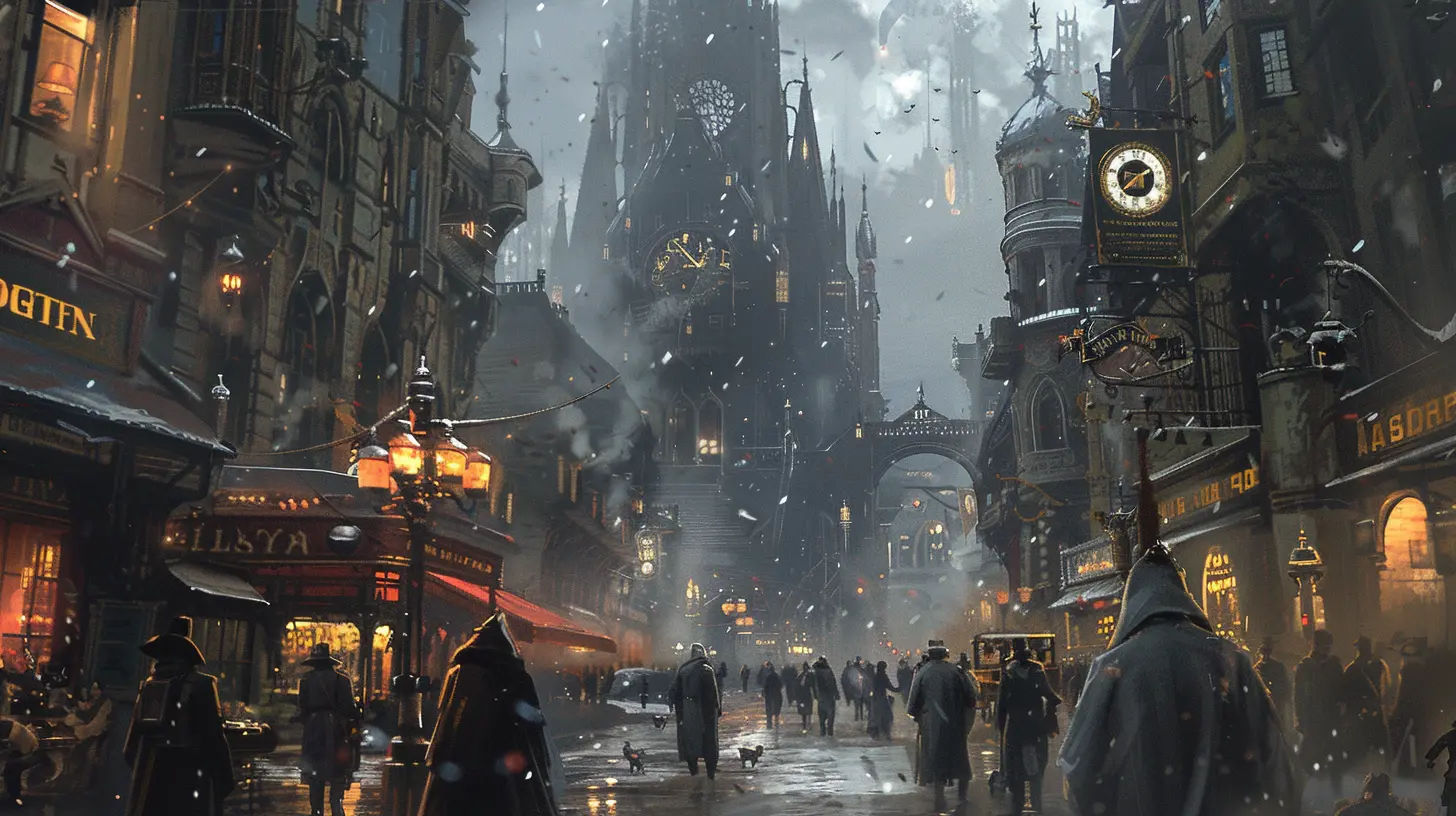
Character Building: Not Just Muscles and Cool Hair
Characters are the soul of the story. You can have the most stunning open-world environment ever rendered in 4K ultra-HD, but if your main character has the personality of wet cardboard, no one’s sticking around.Protagonists, Antagonists, and That One Loveable NPC
Game writers focus on making characters:- Relatable (even if they’re aliens)
- Flawed (because perfection is boring)
- Motivated (because aimless wandering is your job, not theirs)
Memorable characters don’t just look cool—they have goals, fears, and personalities that feel real, even if they’re made of pixels.
Let’s not forget about NPCs. The awkward merchant, the weepy ghost, the overly enthusiastic quest-giver—they add flavor to the world, and yes, game writers spend a lot of time making their lines believable, humorous, or heartbreakingly poignant.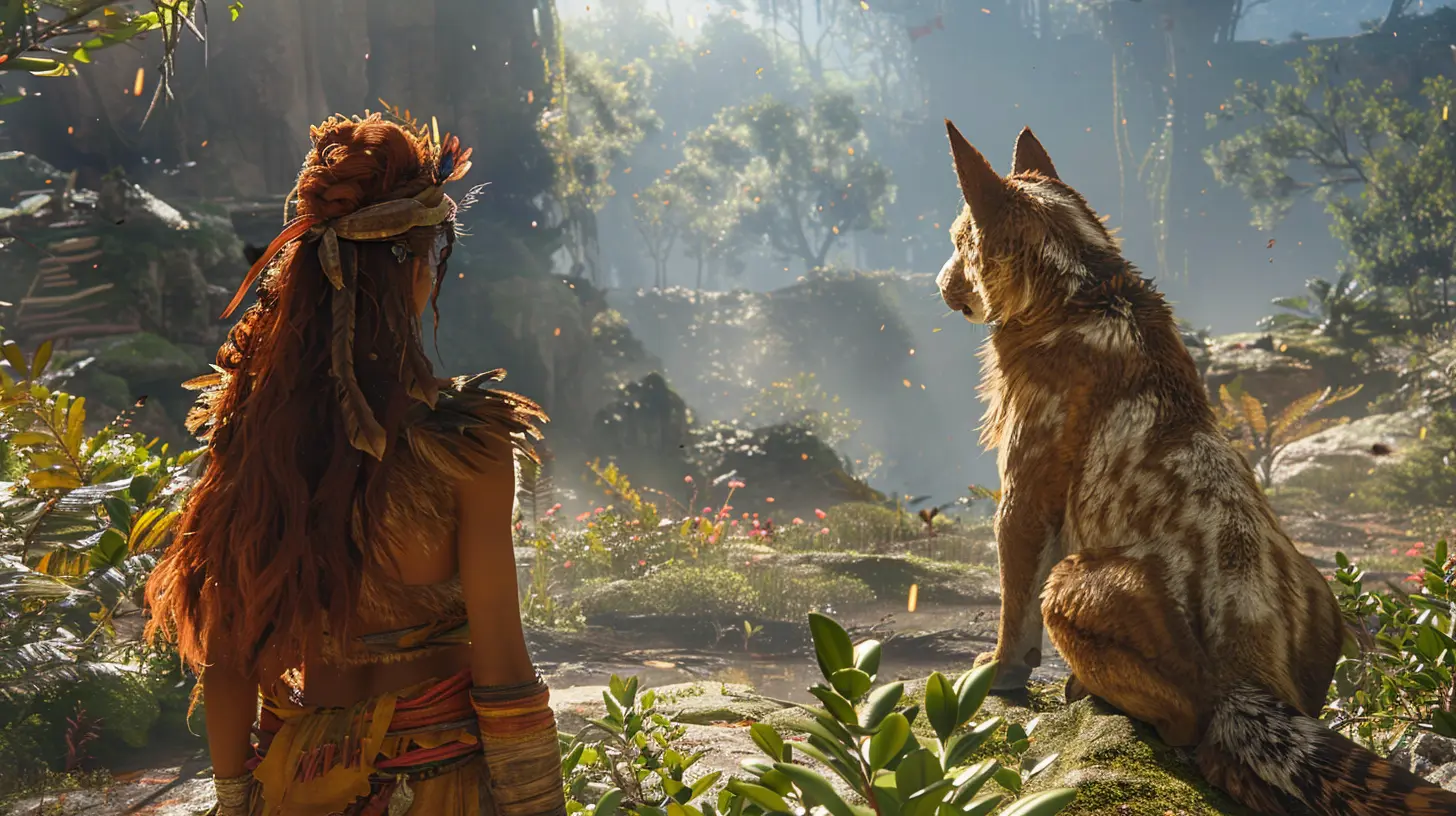
Dialogue: Not Just Words in Word Bubbles
Dialogue in games is a beast of its own. It’s not just “say this thing,” but “say this thing based on what the player did five missions ago while still sounding like something this character would realistically say based on the emotional arc of the current storyline.” Easy, right?Branching Paths, Baby!
Modern games love choice-based mechanics. That means writers have to consider:- Multiple dialogue options
- Variable outcomes
- Emotional tone shifts
- Player reputation systems
In short, branching dialogue trees make sure that when you choose to spare the villain’s life, the world responds to that decision. It’s like a really complicated Choose Your Own Adventure book, but with dragons and custom armor.
Plotting the Plot: Main Quests and Side Shenanigans
Story arcs in games usually fall into two camps:1. The Main Quest—"Save the world, hero!"
2. The Side Stories—"Also, my cat is missing, please find him."
Main Questlines That Slap
This is the backbone of the game’s story. Game writers ensure that the main narrative:- Has clear stakes
- Builds momentum
- Makes you care
- Ends with emotional payoff (or heartbreak, those monsters)
Side Quests Deserve Love Too
Side quests are where writers can let their freak flags fly. These little gems offer:- World-building details
- Comic relief
- Unexpected emotional depth
- Hidden lore
Some players even prefer side quests to the main journey, and that’s a WRITER WIN, folks.
Making It All Interactive: The Writer + Designer Tag Team
Unlike movies or books, you can’t just tell the player what’s going on. You’ve got to show them—and better yet, let them participate.It’s Dangerous to Go Alone—Take a Designer!
Writers work closely with game designers to:- Script cutscenes
- Plan how story elements unfold during gameplay
- Weave narrative naturally into level progression
- Decide where to hide journal entries for lore goblins (you know who you are)
This collaboration is key. If a boss battle is meant to emotionally demolish the player, writers and designers build it together. Dialogue, music, fight mechanics—all need to sing in harmony.
Cinematics and Cutscenes: Hollywood Meets Gamepad
Cutscenes are like mini-movies in the middle of your power trip. Writers team up with voice directors, animators, and motion capture actors to bring these scenes to life.Writing for Cutscenes vs Gameplay Dialogue
Writing cutscenes is more like screenwriting. You’re crafting:- Tightly paced dialogue
- Visual storytelling
- Emotional arcs
Gameplay dialogue, however, has to be:
- Reactive
- Informative
- Repeatable without being annoying (looking at you, Skyrim guard jokes)
Audio Logs, Journals, Emails: The Extra Lore Dump
Sometimes players want more story but don’t want a 20-minute cutscene. Enter: optional story content.For the Lore-Hungry Among Us
Game writers hide tasty narrative morsels in:- Audio logs
- Diaries
- Item descriptions (yes, those are written too!)
- Environmental storytelling (i.e., bloodstains spelling out “RUN”)
These elements deepen immersion. You get to choose how much you want to engage, and the world still feels rich with history and mystery.
Accessibility and Representation: Everyone Deserves A Seat at the Game Table
Modern game writing has a delightful new ingredient: inclusivity. Writers keep in mind:- Diverse characters and viewpoints
- Accurate cultural representation
- Accessibility for players with different needs
You know what’s cooler than slaying a dragon? Seeing yourself represented in the hero’s journey. It matters.
Playtesting the Narrative: Yes, Even Words Need Debugging
Before the final script hits your console, it’s put through the wringer:- Does the dialogue flow naturally?
- Do the choices make sense?
- Are there any plot holes or inconsistencies?
- Did we accidentally make the villain the most relatable character? (Oops.)
Narrative QA teams and writers work together to polish the story until it shines (or until they pass out from caffeine).
From Player Tears to Game Awards: When All That Writing Pays Off
When it’s done right, game writing doesn’t just support the game—it becomes the reason people remember the game. People still talk about:- That heartbreaking dog companion mission
- The twist ending that made you question everything
- The line of dialogue that became a meme
When the credits roll and you sit there, emotionally damaged and questioning your life choices—that’s a writer’s goal achieved.
Final XP Points: Why Game Writing is the Real MVP
From emotional arcs to epic lore to joke-cracking goblins—game writing is the invisible hand guiding every moment of joy, sorrow, and rage-quit. It's not just about words on a screen; it’s about crafting experiences that live rent-free in your head years after you’ve uninstalled the game.So the next time you're playing and find yourself emotionally compromised because an NPC told you their life story before tragically dying five minutes later—tip your hat to the writers. They're the unsung wizards behind your favorite worlds.
all images in this post were generated using AI tools
Category:
Game NarrativesAuthor:

Greyson McVeigh
Discussion
rate this article
2 comments
Eleanor Morgan
Game writers are like chefs, mixing a pinch of drama with a dash of humor to create stories that stick to your brain like popcorn to your teeth. Who knew crafting immersive tales could be as addictive as leveling up in your favorite RPG?
June 6, 2026 at 3:20 PM
Greyson McVeigh
I love that comparison! Game writers do blend elements in a way that keeps players hooked, just like a great meal. It's all about creating an experience that lingers.
Leo Martinez
This article highlights the crucial role of game writers in building immersive narratives, showcasing their creativity and skill in crafting compelling, interactive experiences that captivate players.
May 15, 2026 at 3:11 PM
Greyson McVeigh
Thanks for your comment! Game writers truly are the unsung heroes of immersive storytelling in games. Their creativity shapes our experiences in powerful ways.