From Concept to Reality: Behind the Scenes of a Kickstarter Game Campaign
25 December 2025
Ever dreamed of turning your game idea into something tangible that people actually play? Taking a spark of inspiration and transforming it into a real, playable board or video game sounds exciting—right? But how do you get from the "what if" stage to the "shut up and take my money" moment where fans are pledging their support on Kickstarter?
Well, buckle up. We're taking a deep dive into the gritty, honest truth behind bringing a game to life through crowdfunding. This is the story you don’t always hear—the brainstorming marathons, the sleepless nights, the emotional rollercoaster, and yeah, the epic wins and soul-crushing stumbles.
This ain't just a how-to—it’s a behind-the-curtain look at what it really takes to go from napkin sketch to a fully backed Kickstarter campaign.
The Spark: Where Game Ideas Are Born
Every game starts with an idea. Sometimes it's a lightning bolt moment—maybe you're in line at Starbucks when it hits, or you’re stuck in traffic daydreaming about dragons and dice. Other times it’s slow-burning, like a concept that's been simmering in the back of your mind for years.But here’s the deal: not every cool idea makes a great game. Your first real challenge? Validating your concept.
Ask yourself:
- Is this fun to play or just fun to think about?
- Has someone already made this?
- Would someone other than your best friend want to play it?
This is your foundation. Nail this, and you’re off to a solid start.
Paper Prototypes & Playtests: Kicking the Tires
Before you even think about Kickstarter, you’ve gotta build something—anything—that people can actually play. At this stage, it doesn’t have to be pretty. Scribbles on index cards, placeholders, and busted mechanics are all part of it.This is where playtesting becomes your new religion.
> Playtest, break, fix, repeat. That’s your new mantra.
Play with friends, strangers, that one brutally honest cousin—gather feedback like it's gold (because it is). You’ll hear stuff you love, stuff you hate, and stuff that makes you question everything. Perfect.
Why? Because fixing problems now saves you from a Kickstarter flop later.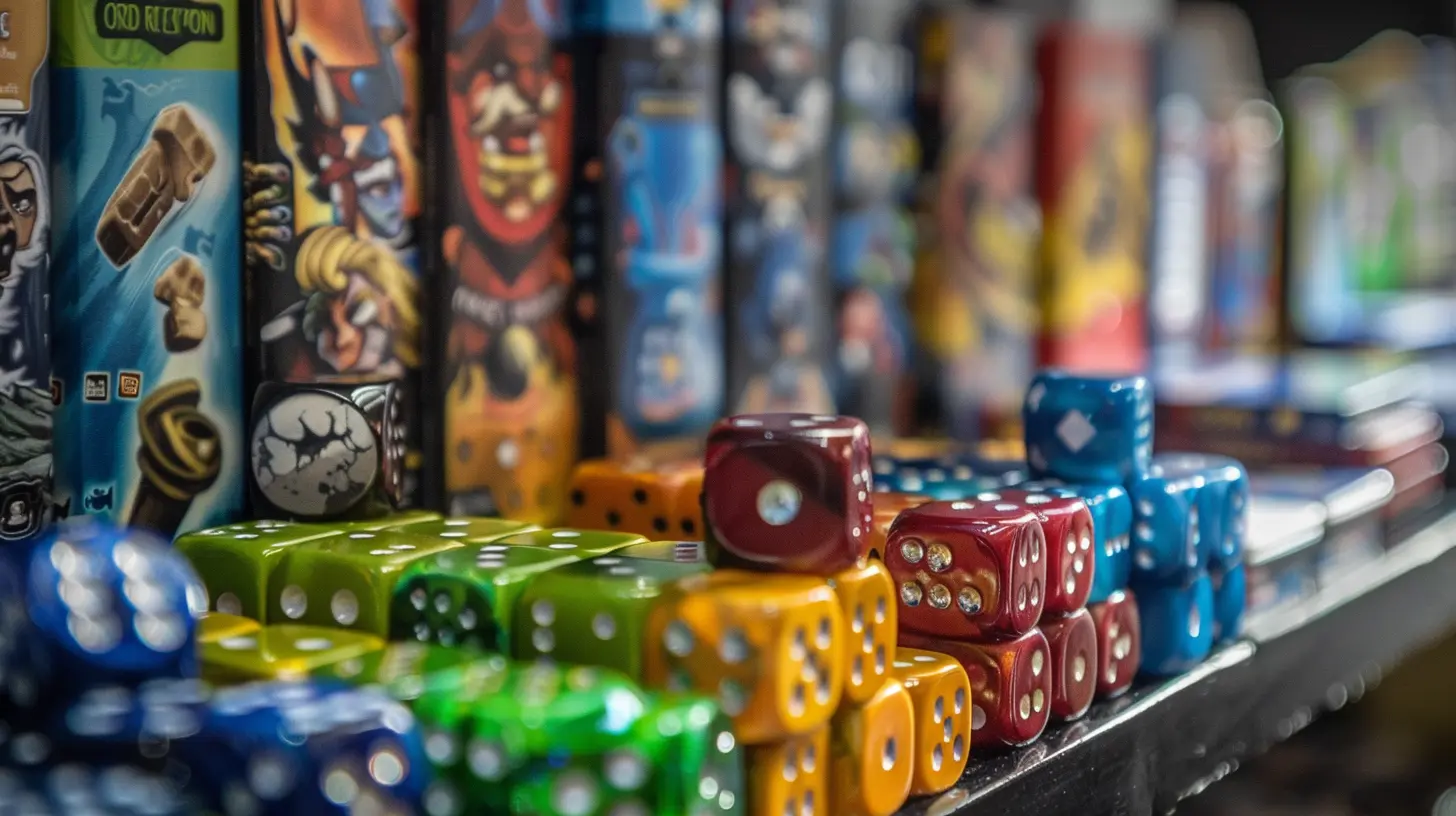
Building the Buzz: Start the Hype Early
Successful Kickstarter games don’t just show up. They build anticipation like a Marvel movie hype train.You need people talking long before you launch. Here's how:
- Create a dev blog or share updates on social media.
- Post behind-the-scenes pics and videos.
- Build an email list—even if it’s just 50 people at first.
- Join game dev forums, Discords, Facebook groups—you name it.
The earlier people know your game exists, the more likely they’ll back you on Day One. And trust me, that first day is crucial.
The Art of Marketing Without a Budget
Here’s where things get real. Most indie devs don’t have stacks of cash to blow on ads. So how do you market like a pro without going broke?Think scrappy. Think creative.
- Start a devlog on Reddit or BGG.
- Send free prototypes to influencers and reviewers.
- Get active in your niche community.
- Run giveaways tied to your email list.
And don’t underestimate the power of a good story. People want to know why this game exists. What inspired it? What makes it different?
Your story isn’t fluff—it’s your secret weapon.
Designing the Kickstarter Campaign Page
Okay, now the pressure’s on. Your campaign page is the storefront. It's the make-or-break moment for a lot of backers.Here are the must-haves:
- A killer header image (make it pop).
- A short, punchy video (90 seconds or less).
- Clear reward tiers (no confusing combos).
- Stretch goals (but don’t go wild).
- Honest shipping info (don’t bury the costs).
And for the love of Catan, check your spelling. Sloppy writing screams unprofessional, and trust is everything on Kickstarter.
Pro Tip: Pretend you’re a total stranger looking at your campaign for the first time. Would you back it? If there's even a moment of doubt—fix it.
Setting the Right Funding Goal
This part's tricky. Set it too high, and you risk not reaching it. Too low, and you might end up with thousands of backers but not enough funds to deliver.So how do you find that sweet spot? Break it down:
- Manufacturing costs
- Art, design, and development
- Shipping (including international)
- Kickstarter fees (they take about 10%)
- A small cushion for emergencies
Transparency matters here. Backers understand you need funds to bring your vision to life. Just don’t overpromise and underdeliver—that’s a Kickstarter kiss of death.
Launch Day Chaos: Highs, Lows & Refreshing Like a Maniac
You’ve launched. Congratulations! Now the real ride begins.The first 48 hours are crucial. That’s when your campaign gets the most visibility, and momentum is everything.
Expect to:
- Monitor your phone like a stockbroker.
- Answer tons of questions.
- Make mid-campaign tweaks to reward tiers or goals.
- Juggle social media, emails, and maybe a podcast or two.
It’s exhausting—but also amazing. There’s nothing like watching strangers back your dream.
Mid-Campaign Slump: Surviving the Dreaded Drop
Almost every campaign hits the “dead zone” around the middle. Backers slow down, excitement fades, and your funding graph flatlines.Don’t panic—it’s normal.
Here’s how to fight the slump:
- Announce a stretch goal or bonus content.
- Release a new dev update or art sneak peek.
- Host a live Q&A or gameplay video.
- Remind your email list the campaign’s still running.
Keep energy high and remind people why your game is worth it. The final days usually bring a surge—just stay in the game.
Funding Success? Now Comes the Real Work
You hit your goal. Confetti time, right?Sort of.
Funding is just the beginning. Now you’ve got to make the game and deliver on your promises.
This means:
- Finalizing game design.
- Coordinating with manufacturers.
- Working with artists and writers.
- Testing, tweaking, and testing again.
- Keeping backers updated—with good news and bad.
Delays happen. Stuff goes sideways. That’s normal. But keep talking to your backers. Silence breeds distrust. Updates build community.
The Final Stretch: Manufacturing & Fulfillment
This is where things get expensive and nerve-wracking. You’re not just sending out a few packages. You’re shipping hundreds (or thousands) of games around the world.Some tips from the trenches:
- Use fulfillment partners with Kickstarter experience.
- Don’t underestimate shipping costs—ever.
- Budget for VAT, customs, and damaged goods.
- Print more copies than needed (for backers + extras to sell).
And yeah, test the final product yourself. You don’t wanna open a box and find out the dice are the wrong size or the cards smell like paint thinner.
Post-Campaign: Keeping the Momentum Alive
Even after all your copies are shipped, the journey isn't over. A successful Kickstarter can launch your game into retail, conventions, or digital platforms.Capitalize on the buzz:
- Sell leftover stock online.
- Pitch to publishers or distributors.
- Use the experience for your next game.
And don’t forget your backers. They’re more than customers—they’re your first fans. Keep them in the loop, show them love, and who knows? They might back your next project, too.
Final Thoughts: Is It Worth It?
Running a Kickstarter campaign for a game is wild. It’s thrilling, stressful, humbling, and sometimes downright chaotic. But if you’re passionate, prepared, and persistent, it can also be one of the most rewarding experiences in game development.Just remember—it’s not about instant fame or easy money. It’s about building something you believe in and sharing it with a community that cares. And that? That’s priceless.
So, got a game idea burning a hole in your brain? Maybe it’s time to bring it to life. One sketch, one playtest, and one backer at a time.
all images in this post were generated using AI tools
Category:
Kickstarter GamesAuthor:

Greyson McVeigh
Discussion
rate this article
2 comments
Amira Weber
Ah, Kickstarter: where dreams are funded, stretch goals become life goals, and backers secretly wonder if they'll ever see more than a PDF of a game rulebook. Can’t wait to see if that ‘epic’ adventure is worth the price of my coffee habit!
January 12, 2026 at 4:14 AM
Greyson McVeigh
Thanks for your insight! It's true—Kickstarter can be a wild ride, but we're committed to delivering an epic adventure and more than just a PDF. Your support means everything!
Aelith Reese
Behind every Kickstarter game lies a tapestry of dreams, struggles, and community. It’s a powerful reminder that creativity flourishes not just in the final product, but in the journey of collaboration and passion.
December 25, 2025 at 5:55 AM
Greyson McVeigh
Absolutely! The journey of a Kickstarter game is truly a collaborative masterpiece, where every challenge fuels creativity and community support transforms dreams into reality.