Developing Antagonists with Real Depth and Motivation
21 June 2026
Alright, let’s face it—what’s a good hero without a great villain? Whether we’re talking video games, movies, or your favorite page-turner, the best stories don’t just rely on a protagonist charging into battle. Oh no, they thrive on that edge-of-your-seat tension brought by a well-crafted, deeply human antagonist. So if you’re diving into game development or storytelling, buckle up—we’re going deep into what makes a villain tick. ??
Gone are the days of cardboard-cutout baddies twirling mustaches over damsels in distress. Players today crave complexity. They want to understand the “why” behind the chaos. Let’s talk about how to make your antagonists not just threatening, but riveting.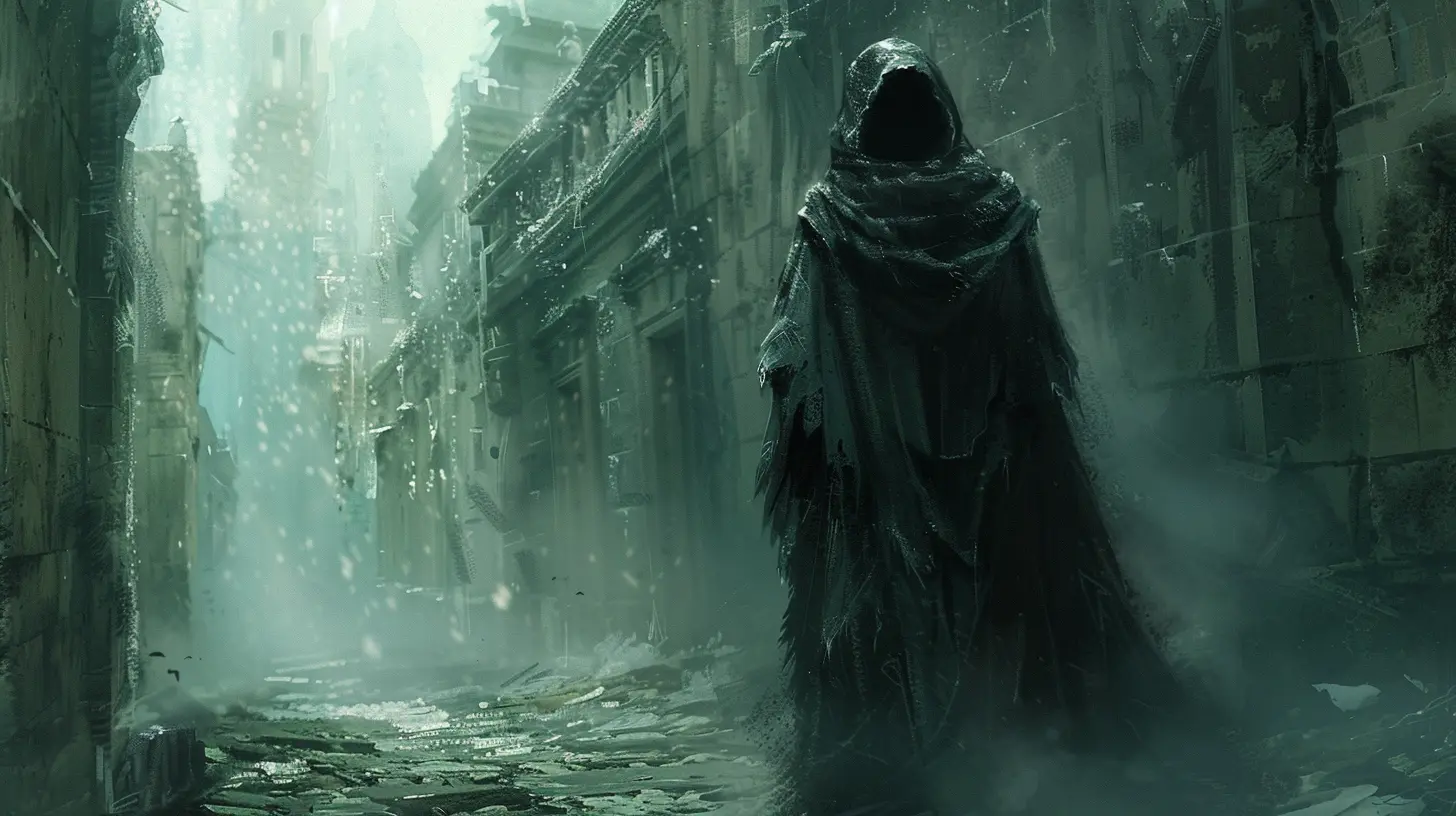
Why One-Dimensional Villains Don’t Cut It Anymore
Ever played a game with a villain who was evil just... because? Yeah, it’s like biting into a chocolate chip cookie and realizing it’s raisin. Big disappointment.Flat characters kill immersion. In a world where players expect emotional depth and narrative richness, villains without motivation feel like side missions you’re forced to do—not stories you want to see unfold.
The best antagonists spark curiosity. They make players question moral boundaries. Sometimes... they even make you feel a little guilty defeating them. And that’s storytelling magic.
What Makes an Antagonist Truly Memorable?
Let’s break down the must-have ingredients ? for a powerful, layered villain:1. Clear Motivation
Think Magneto from X-Men. He’s not just being difficult. He’s a survivor of trauma, shaped by years of oppression. His actions make sense—even if they’re extreme.Ask yourself: _What does your antagonist want, and why?_ Not every villain is out to rule the world. Maybe they want justice, revenge, or even peace—just their version of it.
2. Personal Connection to the Hero
This one’s gold. When the antagonist has a personal tie to the protagonist—former mentor, sibling, or even a twisted reflection—it adds emotional stakes. You’re not just fighting “the bad guy.” You’re confronting past scars, broken dreams, or moral mirror images.Think of Sephiroth and Cloud in Final Fantasy VII. That’s not just a feud—it’s a psychological war.
3. Relatable or Sympathetic Traits
Everyone’s the hero in their own story. Maybe your villain is just trying to save their people. Maybe they lost someone and the world didn’t care. Give them a backstory that makes players say, “Wait, I kinda get it now…”This doesn’t mean they’re justified, but it does mean they’re human—or at least feel like it.
Building Antagonists from the Ground Up
Alright, time to roll up our sleeves and create some villains! ?️Step 1: Define Their Core Belief
Every antagonist starts with a belief system. It could be simple like “Power brings order,” or deep like “Sacrifice is the price of progress.” This core belief drives their actions—even the horrific ones.Ask: _What ideology drives them?_ and _How far are they willing to go for it?_
Step 2: Craft a Strong Origin
Origin stories aren’t just for heroes. Knowing where your villain came from makes them real. Were they betrayed by a friend? Abandoned by society? Raised in a warzone?Origins shape how your villain sees the world—and how the world sees them.
Step 3: Play with Contrast
Wanna really make your antagonist shine? Contrast them with your protagonist.If your hero is all about freedom, make the villain obsessed with control. If your hero fights for hope, let the villain be driven by despair. These opposing forces create irresistible conflict.
Step 4: Give Them a Moment of Vulnerability
Yes, even the baddest bosses break down. Maybe there’s a scene where they visit their family's grave, or a moment where they almost help the hero. These flickers of humanity make your antagonist unforgettable.Games that do this—looking at you, Red Dead Redemption 2 and Bioshock Infinite—stick with us long after the credits roll.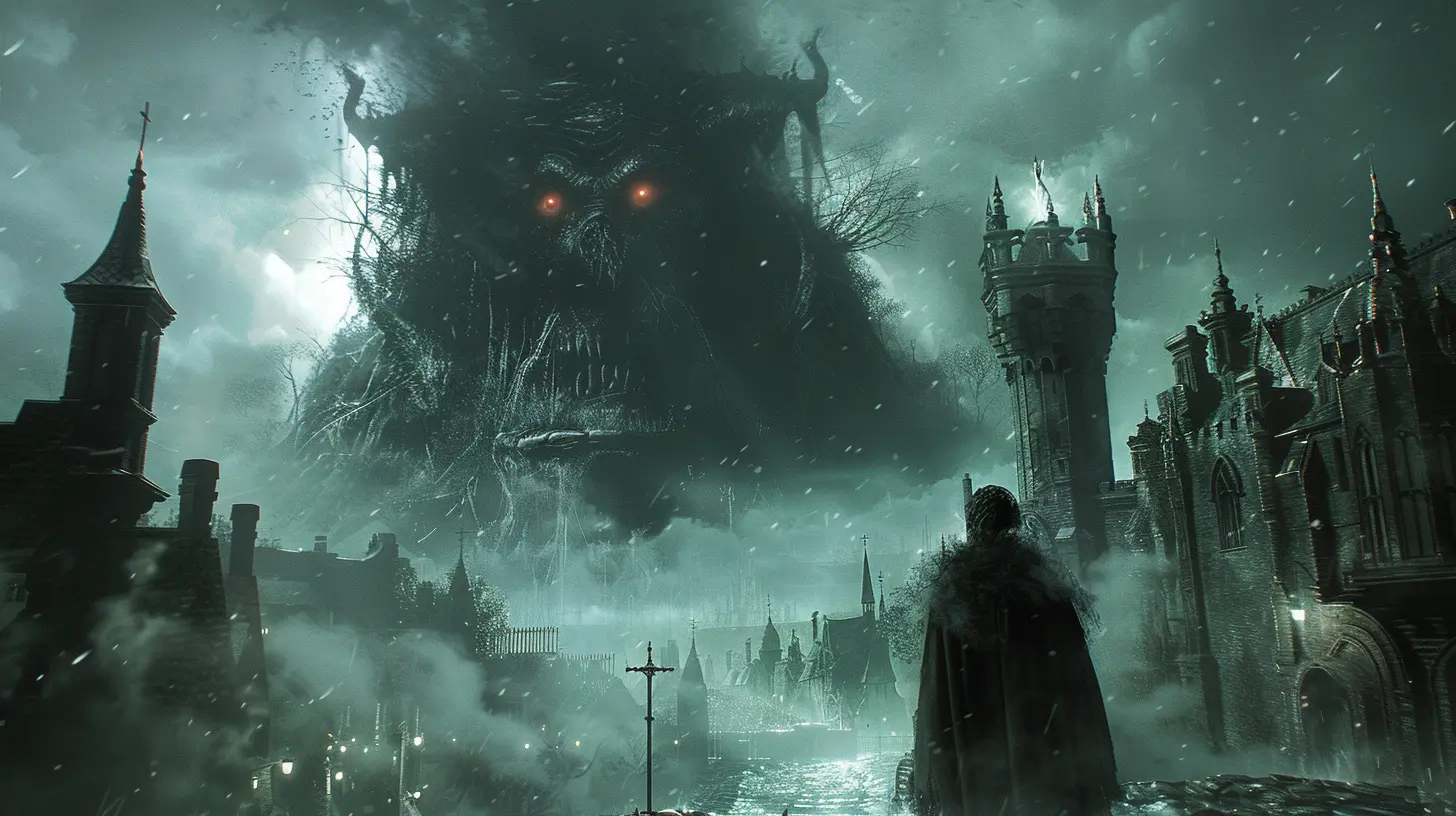
Villains We Love to... Love?
Let’s talk examples. Here's where things get juicy.? Handsome Jack – Borderlands 2
Charismatic. Sarcastic. Brutally psychotic. But even Jack believes he's the good guy trying to bring “order” to a chaotic world. His witty banter and twisted ideals make him impossible to ignore.? GLaDOS – Portal Series
She’s a robot with a killer sense of humor... and a death wish for you. But peel back the layers and you find glimpses of humanity, loneliness, and even jealousy. Creepy? Yes. Compelling? Absolutely.? The Illusive Man – Mass Effect
He’s not trying to destroy the universe—he’s trying to save it. Through control. Control that leads him to compromise his morals. He's complex, persuasive, and disturbingly logical.These aren’t cookie-cutter villains. These are characters with minds of their own—you don’t beat them, you understand them.
Dialogue: The Secret Weapon of Antagonists
Want to add jaw-dropping depth to your villain? Give them killer dialogue.Not just boss-fight monologues. I’m talking about lines that reveal their pain, challenge the hero’s beliefs, or make you question what’s right and wrong.
Try this: Write a conversation where your antagonist wins the verbal battle. They corner the hero philosophically and walk away, leaving the player reeling. That’s impact.
Great dialogue humanizes. It’s where motives shine and morals clash.
Making Players Feel Something (Even Hate)
Emotion is the glue that binds players to stories. If your antagonist makes players feel—whether it's rage, pity, or even admiration—you’ve done your job.But remember, subtlety is key. Don’t just tell players, “This is the villain, hate them.” Let their actions, decisions, and consequences speak volumes.
Sometimes the best villains don’t yell. Sometimes they whisper, manipulate, or calmly watch the world crumble.
Twist the Knife: Morality and Shades of Gray
Here’s an advanced move: build a story where players aren’t sure who the villain is.Maybe there’s moral ambiguity. Maybe your antagonist presents a compelling argument, and your protagonist is flawed too. This kind of tension pulls players in and challenges their perspectives.
Think of games like The Last of Us Part II. Depending on your views, who’s the real villain? That’s when storytelling becomes art.
Tips to Keep Your Antagonist Fresh and Engaging
Ready for some rapid-fire tips? Let’s go.- ? Give your antagonist goals that evolve throughout the game.
- ? Let them have relationships—friends, lovers, even pets. They live in your world too.
- ? Make their final moments meaningful—whether it’s redemption, victory, or a tragic fall.
- ?️♂️ Tease their presence before they appear. Build mystique.
- ? Allow moments of humor or charm—it keeps things unpredictable.
Final Thoughts: Villains Are Characters Too
At the end of the day, your antagonist deserves the same love and attention you give your hero. They’re not obstacles. They’re storytellers in their own right.So dig deep into their dreams, fears, and flaws. Make them real. Because when players care about the villain—whether they love them or loathe them—they’ll never forget the journey.
If you get this right, you won’t just have a game. You’ll have a legend.
all images in this post were generated using AI tools
Category:
Game NarrativesAuthor:

Greyson McVeigh
Discussion
rate this article
1 comments
Patricia McAdams
Great insights on crafting compelling antagonists! Understanding their motivations truly elevates the narrative and adds layers to the overall game experience.
June 24, 2026 at 3:56 AM