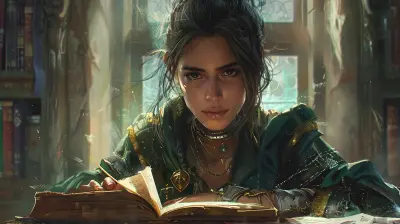
Cultural Storytelling in Games from Around the World
13 May 2026
Video games are more than just fun and entertainment—they’re storytelling machines. And when you look beneath the surface, some of the most powerful stories being told aren’t just tales of heroism or battles against evil… they’re cultural stories. In fact, many games today highlight traditions, beliefs, and folklore from different cultures around the globe.
From ancient myths to modern legends, these culturally rich narratives not only make games more meaningful, but also turn our screens into windows into new worlds. So let’s take a deep dive into how cultural storytelling in games from around the world is shaping the gaming industry—and changing how we connect with different cultures through play.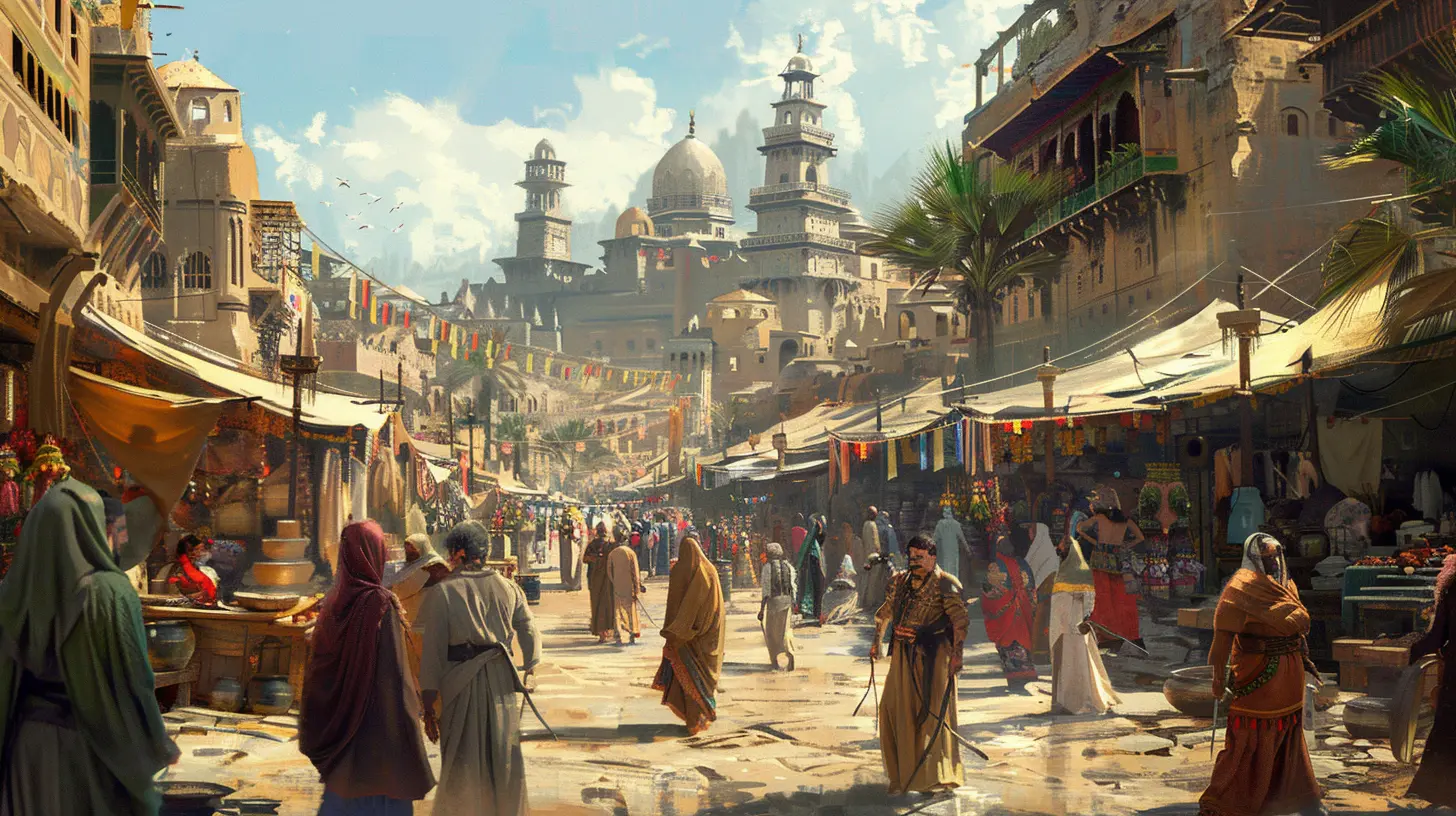
Why Cultural Storytelling Matters in Games
Storytelling has always been a core part of who we are. Humans are hardwired for stories—it's how we make sense of the world and where we fit in it. In games, stories do more than guide gameplay. They breathe life into digital landscapes. They give meaning to quests. And when they reflect real-world culture? That’s when games become truly magical.Think of gaming as a form of interactive anthropology. You’re not just reading about traditions—you’re living them. You're walking the paths of heroes from forgotten legends, battling enemies shaped by old folklore, and navigating moral choices shaped by unique belief systems.
When cultures are represented authentically, it sparks connection. For players who see their own heritage in a game, it’s empowering. And for others, it’s a chance to walk a mile in someone else’s digital shoes.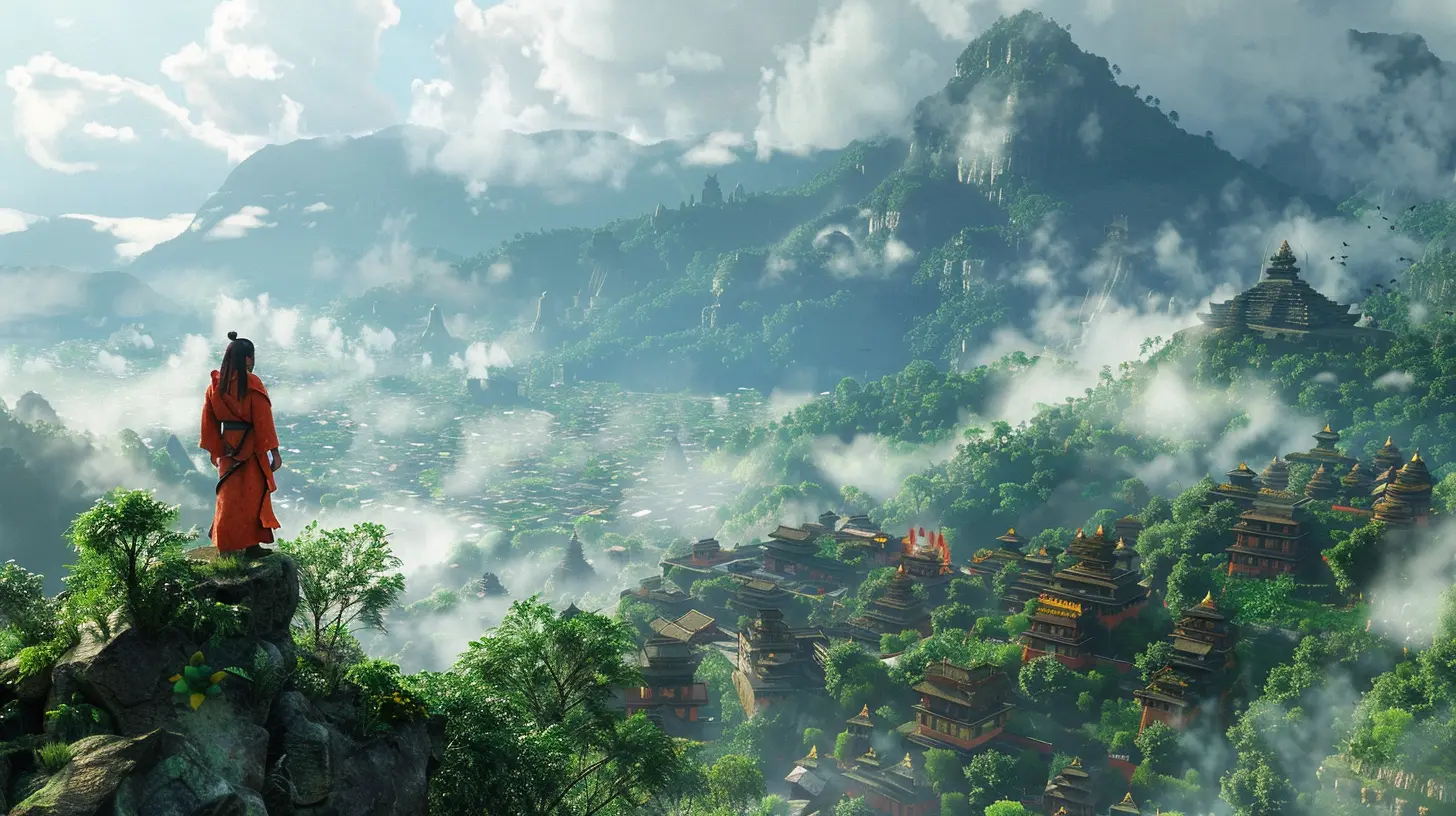
The Power of Representation
Ever noticed how most mainstream games used to have a somewhat familiar western, Eurocentric storytelling tone? It wasn't until recently that developers started actively looking beyond those borders. And wow, what a difference that’s made.Proper cultural representation fosters inclusivity. It shows respect. And when done right, it challenges stereotypes and opens doors to empathy. But it doesn’t just benefit the games—it benefits the players too.
When you dive into a game that tells a story rooted in, say, African mythology or Japanese folklore, you're not just playing a game. You’re expanding your worldview. That’s way more impactful than just leveling up a character.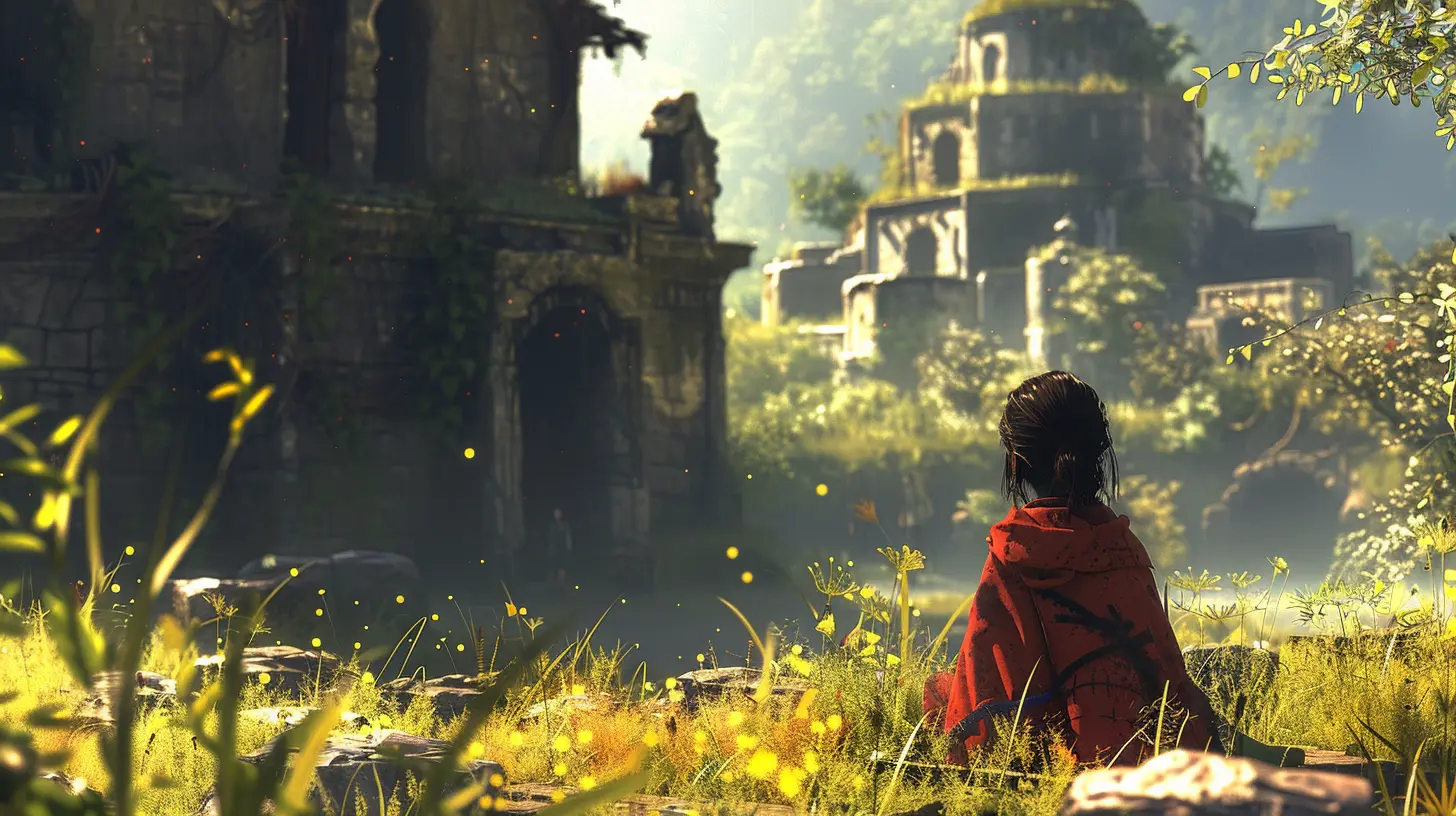
Examples of Cultural Storytelling in Games
Let’s spotlight some incredible games that have embraced thoughtful storytelling through culture.1. Okami (Japan)
Let’s start with a classic. Okami, developed by Clover Studio, is a beautiful action-adventure game rooted in Japanese Shinto mythology. You play as Amaterasu, the sun goddess, who takes the form of a white wolf.With art inspired by traditional sumi-e (ink wash painting) and storytelling pulled directly from Japanese folk tales, Okami is an emotional journey through Japan’s mythic past. It's a stunning example of how deeply culture can be woven into gameplay.
2. Never Alone (Alaska Native Culture)
Never Alone (Kisima Inŋitchuŋa) is a puzzle-platformer developed in partnership with the Iñupiat, an Alaska Native people. The game tells the story of a young girl and her arctic fox companion, venturing through the harsh tundra to end an eternal blizzard.Players unlock cultural insights through storytelling vignettes directly from Iñupiat elders and community members. It's more than just a game—it’s a living cultural document.
3. Guacamelee! (Mexican Culture)
Guacamelee! is a Metroidvania-style game soaked in Mexican culture, with its vibrant art style, Day of the Dead themes, and luchador roots.It doesn’t take itself too seriously, but that’s part of the charm. It’s a fantastic example of how humor and cultural references can blend perfectly to form a unique experience.
4. Mulaka (Tarahumara Culture)
Here’s one more gem: Mulaka. It’s an indie action-adventure title based on the indigenous Tarahumara people of northern Mexico. The developers worked closely with cultural experts and indigenous communities to authentically portray their mythology, landscapes, and even language.And the result? A game that doesn’t just entertain—it educates.
5. Raji: An Ancient Epic (Indian Culture)
Set in ancient India and based on Hindu mythology, Raji: An Ancient Epic follows a young girl chosen by the gods to rescue her brother from demons.It combines temple architecture, classical music, and storytelling elements from the Ramayana and Mahabharata. For a player unfamiliar with Indian culture, it’s a deep, eye-opening journey. For Indian players? It's a proud moment of cultural celebration.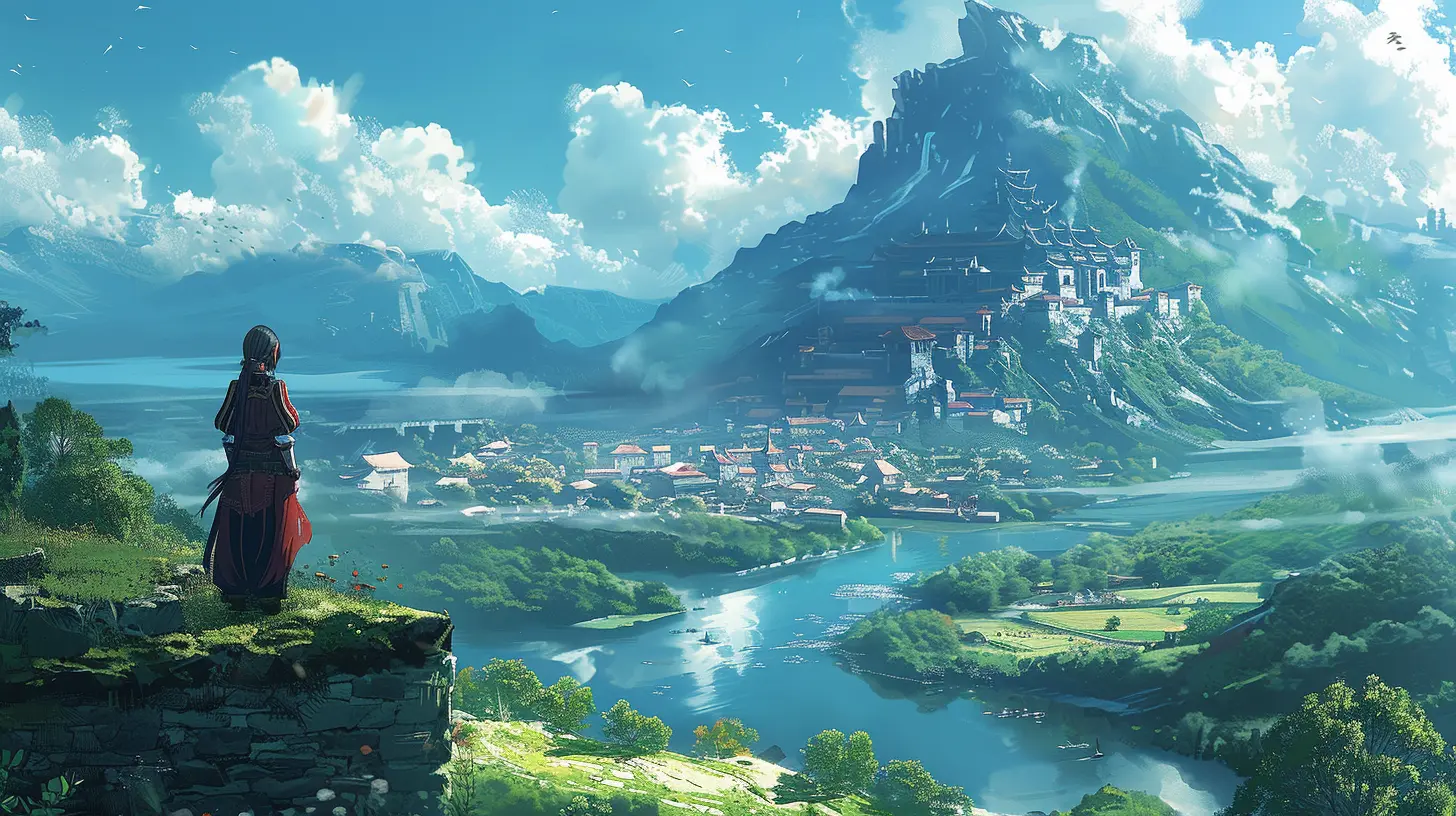
How Indie Developers Are Leading the Way
You know what’s cool? A lot of these culturally rich games are coming from indie studios. Why? Because indie devs often take more creative risks than big-budget studios.They’re passionate, close to their roots, and not afraid to tell personal stories. Whether it’s a solo developer making a game based on their grandmother's stories or a small team working with tribal communities, indie devs are the heart of authentic cultural storytelling.
And thanks to digital platforms like Steam, Itch.io, and even mobile app stores, these games now have a global stage.
Challenges of Cultural Representation in Games
Let’s be real—it’s not always easy. Cultural storytelling can be tricky territory.If a game gets it wrong, it risks misrepresentation, appropriation, or even offending the very communities it's trying to honor. That’s why it’s crucial for developers to do their homework. Work with cultural consultants. Talk to communities. Stay humble.
Some big studios have learned this the hard way, while others are setting great examples by hiring diverse teams and actively listening during development.
Authenticity matters. It's not just about including some symbols or changing a character’s clothes—it's about understanding the culture’s heart and soul.
Cultural Storytelling as a Form of Game Design
Here’s a fun idea: what if we see culture not just as a backdrop, but as a core game mechanic?Think about it. In some games, rituals, moral systems, or spiritual beliefs directly affect gameplay. Maybe you gain power through ancestral guidance. Maybe the way you interact with environments is based on traditional teachings.
This kind of design doesn’t just add depth—it transforms the whole experience. It makes the world feel alive. And it ensures the culture isn’t just scenery—it’s embedded in every part of the game.
The Role of Language and Music
Let’s not forget about the emotional power of language and music.Games like Never Alone include voiceovers in the native Iñupiaq language. Meanwhile, titles like Raji use traditional Indian instruments and ancient Sanskrit chants. These elements give games cultural resonance. They hit you in the feels. And sometimes, you don’t even need subtitles to understand the emotion behind a traditional lullaby or war song.
Language and music are the soul of a culture—and when games get it right, it’s goosebumps territory.
The Future of Cultural Storytelling in Games
So, what’s next?We’re in an exciting place right now. Global audiences want more diverse stories. New tools make it easier for smaller creators to bring their visions to life. And the industry? It's finally waking up to the power of authenticity.
We’ll likely see more collaborations between game developers and cultural historians, more funding for underrepresented creators, and more stories that haven’t yet been told.
Imagine exploring Caribbean folklore. Navigating African oral traditions. Or diving into Southeast Asian spiritual beliefs. The possibilities are endless—and honestly, overdue.
Tips for Gamers Who Want to Support Cultural Storytelling
So, how can we as players support culturally-rich games?- Buy them. Obvious, right? Sales mean studios can keep making them.
- Share them. Give them shoutouts on social media. Don’t underestimate how far a tweet can go.
- Be open. Try games from regions you know little about. Even if the language, style, or story feels unfamiliar, lean into it.
- Give feedback—with kindness. If something feels off, say so. But remember, these devs are often putting their heart and heritage into their work.
- Support diverse creators. Follow them, back their Kickstarters, attend their panels. Your support matters.
Final Thoughts
Cultural storytelling in games is not a trend—it’s a shift. A beautiful, necessary evolution in how we create and consume games.When developers take the time to honor different heritages, and when players embrace those stories wholeheartedly, something special happens. We start seeing games not just as entertainment, but as bridges between communities.
Because in the end, whether it’s through the eyes of a Shinto goddess, an Iñupiat girl, or a Tarahumara shaman, these stories remind us of something powerful: We’re all human. And stories? They’re how we understand each other.
Let’s keep hitting “Start” on cultural storytelling.
all images in this post were generated using AI tools
Category:
Game NarrativesAuthor:

Greyson McVeigh
Discussion
rate this article
2 comments
Yazmin Johnson
In every pixel and code, tales unfold, weaving dreams of distant lands. From ancient myths to modern lore, games become bridges, connecting hearts and minds through the art of storytelling... a shared journey.
June 20, 2026 at 3:40 AM
Dior McClendon
Cultural storytelling in games opens up a world of diverse narratives and experiences. It offers players a chance to explore unique traditions and perspectives, enriching gameplay and fostering empathy. These stories not only entertain but also teach valuable lessons about different cultures.
May 15, 2026 at 2:40 AM
Greyson McVeigh
Absolutely, cultural storytelling in games not only diversifies narratives but also deepens player understanding, turning entertainment into a powerful learning experience.