Building Lore Without Overloading the Player
15 February 2026
Let’s talk about a problem that quietly plagues even the most ambitious, beautifully designed, and well-meaning games: lore dumps. You know, those moments where a game just vomits a wall of text, a 10-minute monologue, or an ancient scroll full of confusing gibberish that was supposed to make you go “Whoa!”—but instead makes you go, “Wait, who is what now?”
If you're a game dev (or simply a lore junkie who appreciates a well-crafted game world), you probably get the struggle. You’ve built this rich, epic universe full of factions, prophecies, mysterious ruins, gods with superiority complexes, and tragic wars. And you want to tell your player alllll about it. But here’s the thing: they’re not opening a history book—they're playing a game.
Let’s dig into how to build jaw-dropping, immersive lore WITHOUT burning out the player’s brain. Buckle up—it’s gonna get sassy and savvy.
Why Lore Matters (But Not in a "Here's 500 Years of Backstory" Way)
Lore is the soul of your game. It’s what turns a generic dungeon crawler into a legend-filled, culture-packed journey. It gives your game depth, flavor, and personality.But here’s the catch: too much lore too soon is like trying to explain the entire MCU to someone who’s never seen Iron Man. It’s overwhelming. It’s annoying. And worst of all—it’s boring.
So, What's the Secret?
It’s delivering juicy bits of lore at the right time, in the right place, and in the right way. You’re not firing off a history lecture—you’re letting players live the story. Think of lore like seasoning. Too bland? Meh. Too much? Inedible. Just right? Mwah—chef’s kiss.
Step 1: Show, Don’t Tell (Seriously, Stop Telling So Much)
Let’s start with an age-old piece of advice that applies just as much to games as it does to novels: show, don’t tell.Bad Lore Delivery:
> “In the year 3421, the kingdom of Azurfell fell under siege by the dark forces of Nargoth. The High Council…”Stop. Nobody cares. Yet.
Better Lore Delivery:
Let the player walk through the ruins of Azurfell. Let them see scorch marks on the stones and hear villagers muttering about ancient betrayals. Let a mysterious NPC whisper, “We still feel Nargoth’s curse in the winters…”Now we’re cookin’.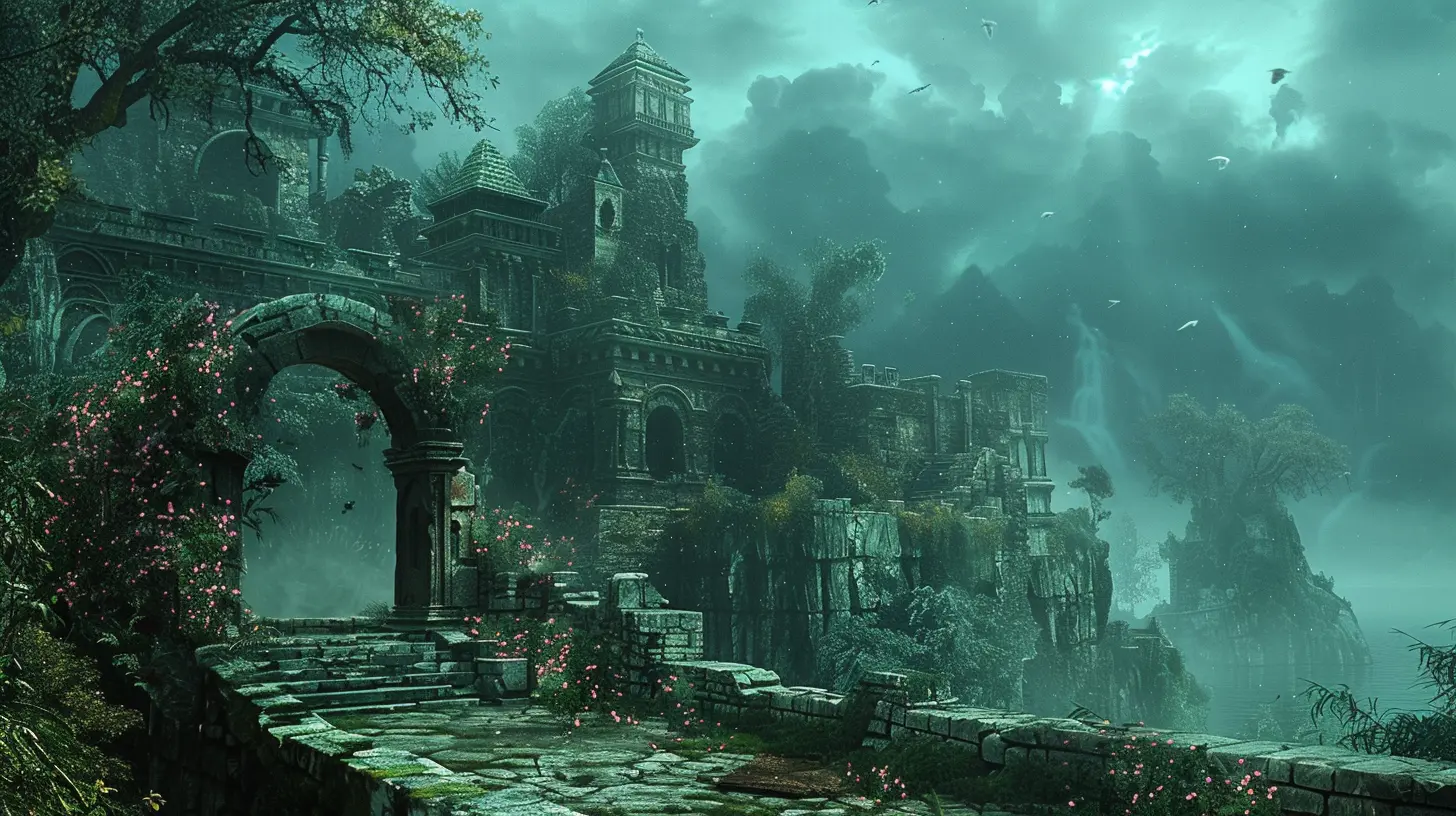
Step 2: Environmental Storytelling Is Your Best Friend
If you can embed a story into the world itself—without saying a single word—you’re miles ahead.Think About:
- Graffiti on walls (The rebellion left its mark—literally)- Scattered notes or journals (a peek into someone’s last moments or frantic plans)
- Ruined architecture (collapsed temples, half-buried statues—what happened here?)
- Enemy design (a once-proud knight now twisted into a beast? Yeah, that says a lot.)
Environmental storytelling hits differently. It respects the player’s intelligence by letting them connect dots without spoon-feeding them. It’s interactive lore. And it makes your world feel alive.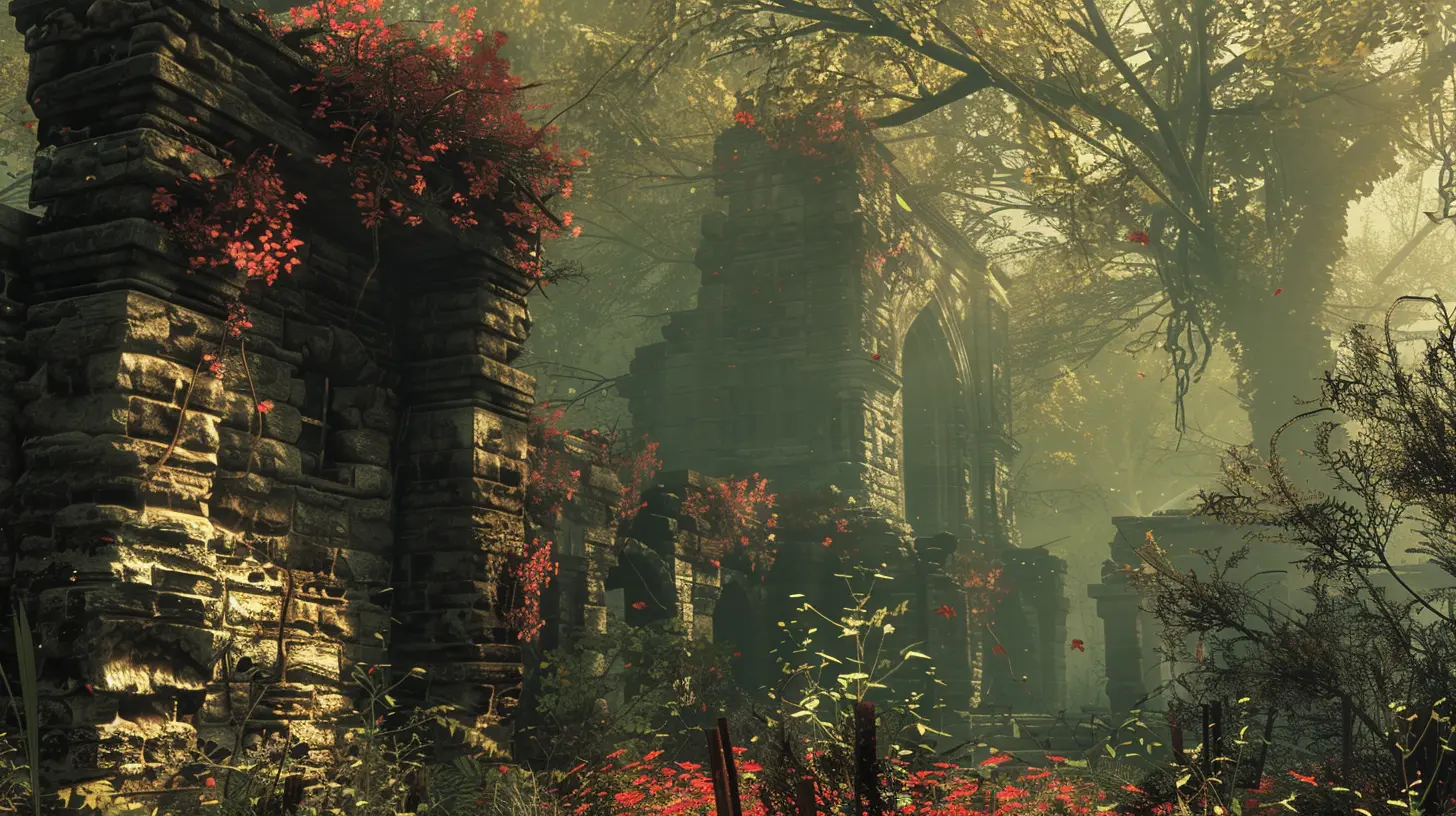
Step 3: Let the Player Discover, Don't Force Feed
We all love a little mystery—ask any fan of Dark Souls.Optional Lore = Empowering the Player
When you hide lore in places that only the curious will find, you’re rewarding exploration and making players feel smart. And it’s okay if not every single player finds every nugget. In fact—that’s the point.Let lore be a treasure, not a chore.
Throw in:
- Optional books and diaries
- Obscure questlines
- Hidden symbols
- NPCs with cryptic dialogue
Make the player say, “Wait, did that guy just reference something I saw in the catacombs 10 hours ago?!”
Boom. Immersion activated.
Step 4: Use Dialogue That Feels Human
Let’s get honest—no one talks in expository blocks in real life. So why are your NPCs doing it?Drop the Monologues
Instead of a wizard babbling on about a long-lost artifact, how about this?> “You’re asking about the Obsidian Shard? Hah… that thing’s cursed, lad. My brother touched it once. Never been the same since…”
Now the player’s intrigued. What’s the Obsidian Shard? What happened to the brother? That’s curiosity, not confusion.
Keep dialogue:
- Brief, but flavorful
- Packed with personality
- Hinting at bigger mysteries without spoiling them all at once
People remember characters who feel real. Let your NPCs be storytellers, not lecturers.
Step 5: Layer Your Lore—Think Onions, Not Encyclopedias
This one’s a game-changer. You don’t need to give it all upfront. Instead...Build Lore in Layers
Introduce just enough to make the player ask questions. Then answer them—slowly, over time, through gameplay, world exploration, and NPCs.Example flow:
1. Player sees a ruined statue of a bearded warrior — No explanation.
2. Later, someone whispers about "The Lost Guardian" — Still vague.
3. Further on, they find a mural showing the warrior protecting a village from monsters.
4. Eventually, they find his legendary sword, and it’s cursed. Oops.
Bam. Story unlocked through play, not an info dump. Each layer adds intrigue and satisfaction.
Step 6: Use Codexes or Lore Hubs (But Keep Them Optional)
Some players want more. Bless ‘em. For those lore-hungry nerds, offer a well-organized codex or in-game journal system. But—and this is crucial—don’t shove it down everyone’s throat.Key Tips:
- Make codex entries unlock naturally as the player discovers things.- Write them in character (like a historian, a soldier, a mad cultist).
- Include art, maps, timelines for the visual learners.
- Never make reading them mandatory to progress. Nobody likes homework in their escapism.
Step 7: Design Quests That Embody Lore
Every quest tells a story—or at least, it should. Don’t make all lore come from cutscenes.Imagine a quest where:
- The player must hunt a legendary beast whose appearance fulfills an old prophecy.
- They must gather fragments of an ancient relic, each guarded by different factions with opposing interpretations of its power.
- As they progress, they realize the legend is... not quite what the songs claimed.
Lore doesn’t have to be told—it can be experienced.
Step 8: Keep It Consistent (Unless You’re Lying On Purpose)
Nothing pulls players out of immersion like inconsistent lore.If you say the sun exploded 500 years ago but the next town has solar-powered robots—uhh, buddy, we have a problem.
Pro-Tip:
- Create a “lore bible” (a fancy name for a document that keeps all details straight).- Keep timelines, faction histories, character bios, and mythologies clear.
- Unless your game intends to have unreliable narrators (which is awesome too), keep your facts straight.
Step 9: Respect Player Attention Span
Yeah, your world has five moons, three pantheons, and 200 years of war. But your player just wants to know where to put the next sword.Don’t dump the whole steak dinner of lore when all they asked for was a snack.
Use:
- Loading screen tips to sprinkle fun facts
- Banter between characters during travel to drop trivia
- Short cinematic fragments with focused info—not a full documentary
Give them just enough curiosity that they want to bite deeper.
Step 10: Keep It Flavorful—Not Flashy
Lore isn’t about saying “look how smart we are!” It’s about building emotional resonance.Make the player care about the fallen kingdom not because it’s ancient, but because someone they like lost their home there. Make them fear the demon lord not because he’s “evil,” but because his minions just wiped out their favorite NPC.
Tie Lore to Emotion
- Use themes (loss, betrayal, destiny)- Let players build relationships with people and places in danger
- Let them feel the impact of history... by living it
If your lore makes players pause and go, “Damn…” — you’re golden.
Wrapping It Up: Lore Should Invite, Not Lecture
The best games have lore that feels like a mystery waiting to be solved—not a lecture you’re forced to sit through. Your job as a dev is to build a world rich enough that the player wants to know more, but casual enough that they don’t need to understand everything to enjoy the ride.Think of your lore as a spice rack, not a grocery list. Sprinkle in just enough to elevate the dish—and let the player decide if they want seconds.
So next time you’re tempted to write a 1,000-word scroll on the Rise of the Fire Lords... maybe just show a charred throne and a terrified storyteller instead.
Trust the player. Let them discover your world.
all images in this post were generated using AI tools
Category:
Game NarrativesAuthor:

Greyson McVeigh
Discussion
rate this article
2 comments
Taryn Barlow
In a world where secrets whisper through the shadows, balancing lore with immersion becomes an art. How do you weave depth without drowning players in a sea of information?
February 17, 2026 at 5:42 PM
Greyson McVeigh
Focus on subtlety and integration; reveal lore gradually through dialogue, environmental storytelling, and meaningful interactions, ensuring players uncover depth naturally without feeling overwhelmed.
Kaitlyn Robinson
This article beautifully balances the intricacies of lore with player engagement. It's important to remember that less can often be more; immersing players in a world without overwhelming them allows for a deeper connection and understanding of the story. Great insights for game developers and enthusiasts alike!
February 17, 2026 at 4:46 AM
Greyson McVeigh
Thank you for your thoughtful comment! I completely agree that striking that balance enhances player immersion and connection. Your insights are appreciated!