Breaking the Uncanny Valley: Advancements in Game Character Realism
10 January 2026
Video games have come a long way since the days of blocky characters and pixelated sprites. Remember the clunky polygons of characters like Lara Croft in the original Tomb Raider? As nostalgic as they may be, they were far from lifelike. Fast-forward to today, and we’re seeing characters in video games that sometimes look so real, it’s honestly a little unsettling. Yeah, I’m talking about the ominous "uncanny valley."
For decades, developers have chased the dream of creating photo-realistic characters that feel as alive as the worlds they inhabit. And while we've made jaw-dropping advancements, there’s always been one big challenge standing in the way: the uncanny valley. Let’s dive into what that is, why it’s been such an obstacle, and how modern technology is helping us (finally) break out of it.
What Is the Uncanny Valley?
Before we get into the nitty-gritty of advancements, let’s break down the term "uncanny valley." It’s a term that originated in robotics but has since become incredibly relevant to games and CGI. Essentially, it refers to that uneasy feeling we get when something almost looks human but doesn’t quite hit the mark.Think of a doll with lifelike eyes or a robot that mimics human smiles a little too well. It’s both fascinating and creepy, right? In gaming, the uncanny valley happens when a character’s realism is so close to being believable… but their stiff movements, blank stares, or subtle imperfections make them feel off. We instinctively reject them because they flirt with realism but still feel "wrong."
It’s like your brain is saying, “I know you’re trying to be human, but I’m not buying it.”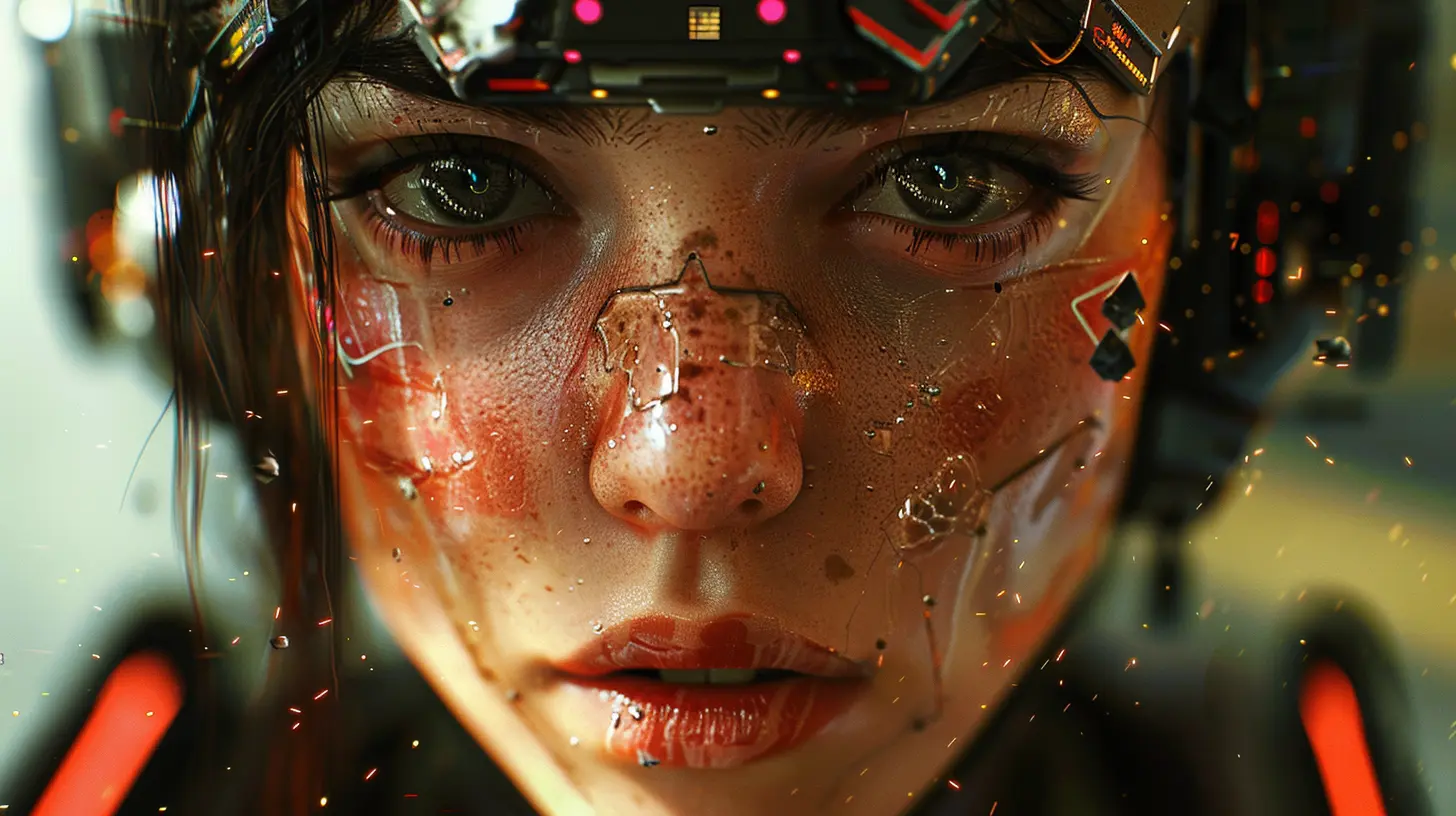
Why Has the Uncanny Valley Been So Hard to Overcome?
Here’s the thing: humans are ridiculously good at spotting imperfections in other humans. We’re tuned into tiny details—like the way someone’s eyes dart around when they’re talking or how their facial muscles move when they smile. When a game character lacks those subtle nuances, it’s painfully obvious.But here’s the rub: achieving that level of human detail is really, really hard. It’s not just about slapping higher-resolution textures onto a character model or making skin look shinier. Developers need to mimic biology, psychology, and physics all at once. Every wrinkle, every hair strand, and every micro-expression has to work together to create something believable. Spoiler alert—this is no small task.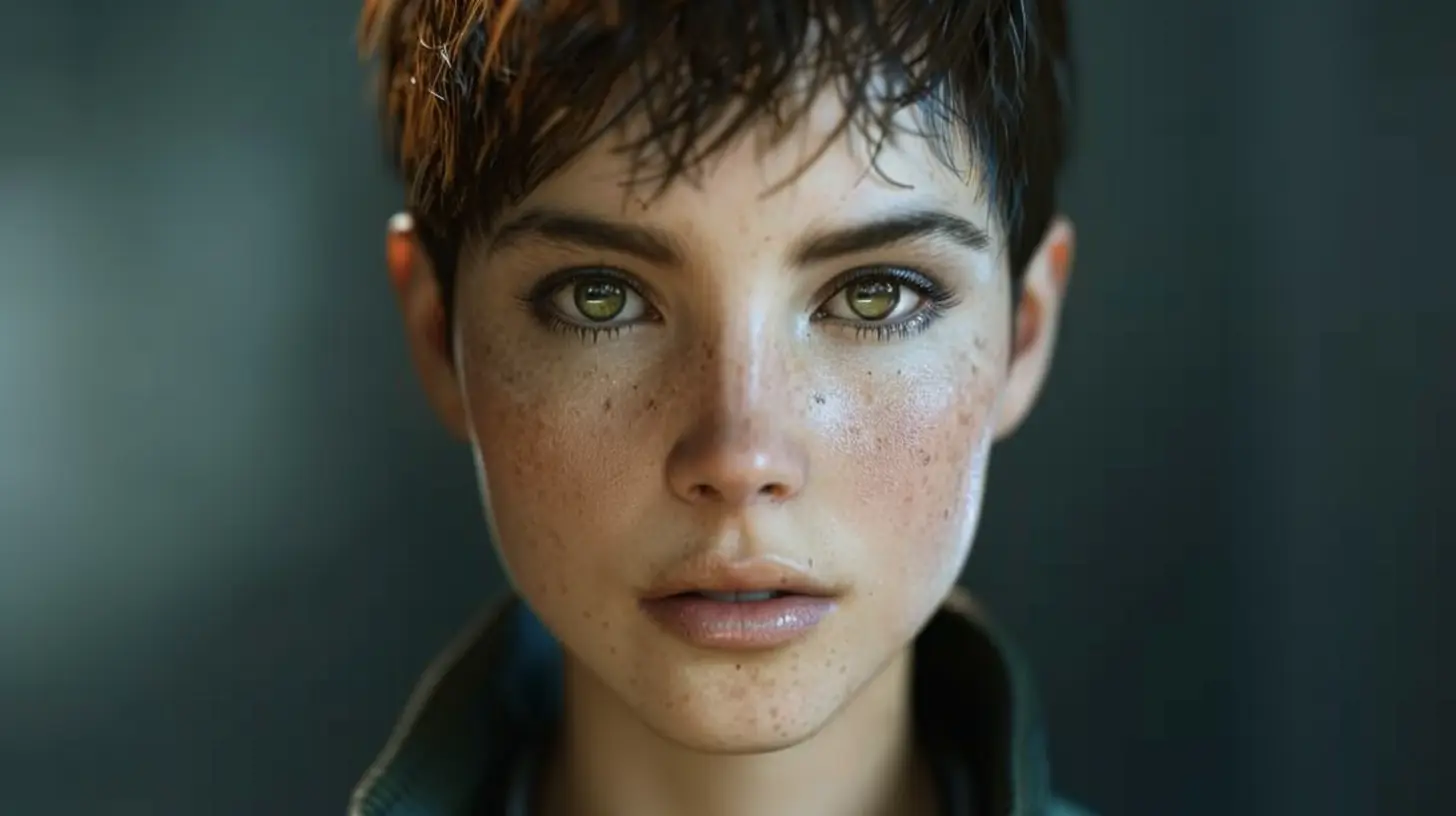
Advancements Driving Game Character Realism
So, how are we finally tackling the uncanny valley? It’s not magic (although it can certainly feel that way). The answer lies in a combination of cutting-edge technology and sheer creative brilliance. Let’s break it down into bite-sized pieces.1. Performance Capture: Breathing Life into Characters
If you’ve played games like The Last of Us Part II or Red Dead Redemption 2, you’ve seen the magic of performance capture. Think of it as motion capture, but on steroids. It doesn’t just track body movements; it captures every micro-expression on an actor’s face. Every furrowed brow, wince, or smirk you see in these games is the direct result of an actor’s performance.What makes performance capture such a game-changer is its ability to bring authentic human emotion into digital avatars. It essentially bridges the emotional gap that often makes game characters feel lifeless or robotic.
Fun fact: The actors in The Last of Us Part II wore head-mounted cameras with sensors that tracked even the tiniest muscle movements. The result? Characters that feel raw, emotional, and, most importantly, human.
2. AI and Machine Learning: Teaching Characters to Act Human
Artificial intelligence might sound like the stuff of sci-fi, but it’s playing a huge role in gaming realism. AI is being used to simulate more natural behaviors in characters. For instance, instead of following rigid, scripted animations, NPCs (non-playable characters) can now react dynamically to the player’s actions and environment.Think about games like Cyberpunk 2077. While it had its share of launch hiccups, its NPCs showcased how AI can make a world feel alive. Instead of endlessly pacing back and forth, NPCs go about their day, interact with the environment, and even react realistically to conflict.
And let’s not forget about deep learning. Machine learning models are being trained to replicate natural human motion, making animations (like walking or running) flow smoothly rather than feel mechanical. It’s like teaching characters how to "be human" without needing a crash course.
3. Ray Tracing: Lighting Up Realism
Lighting can make or break the realism of a character. Ray tracing, a rendering technique that simulates how light behaves in the real world, has been an absolute game-changer. It lets developers create realistic lighting, shadows, and reflections that make characters feel grounded in their environments.Imagine a character standing next to a puddle. With ray tracing, you’ll see their reflection ripple in the water, the light bouncing off their face, and even the subtle shine of their leather jacket. It’s the kind of detail that tricks your brain into thinking, "Yeah, this looks legit."
4. Hyper-Realistic Textures: Skin So Real You Can Almost Touch It
Let’s talk about skin because, weirdly enough, it’s been one of the hardest things to get right. Real skin isn’t just a flat surface; it’s layered, it absorbs and reflects light, and it even changes color based on blood flow (ever notice how your cheeks flush when you’re cold or embarrassed?).Modern gaming engines use techniques like subsurface scattering to replicate this. Subsurface scattering simulates how light penetrates through skin layers, bounces around, and exits, resulting in that lifelike glow. Games like Horizon Forbidden West and Death Stranding showcase how far we’ve come in making skin—complete with pores, wrinkles, and blemishes—look eerily real.
5. Next-Gen Hardware: Powering the Impossible
All of these advancements wouldn’t mean much without the horsepower to back them up. Enter next-gen consoles like the PlayStation 5 and Xbox Series X, along with cutting-edge PC hardware. These machines are capable of processing insane amounts of data in real time, enabling developers to push the boundaries of realism.For instance, the Unreal Engine 5, one of the most advanced game engines, uses a technology called Nanite to render incredibly detailed models and environments without destroying performance. Pair that with insanely fast SSDs, and you’ve got seamless open worlds where every character feels like a living, breathing part of the story.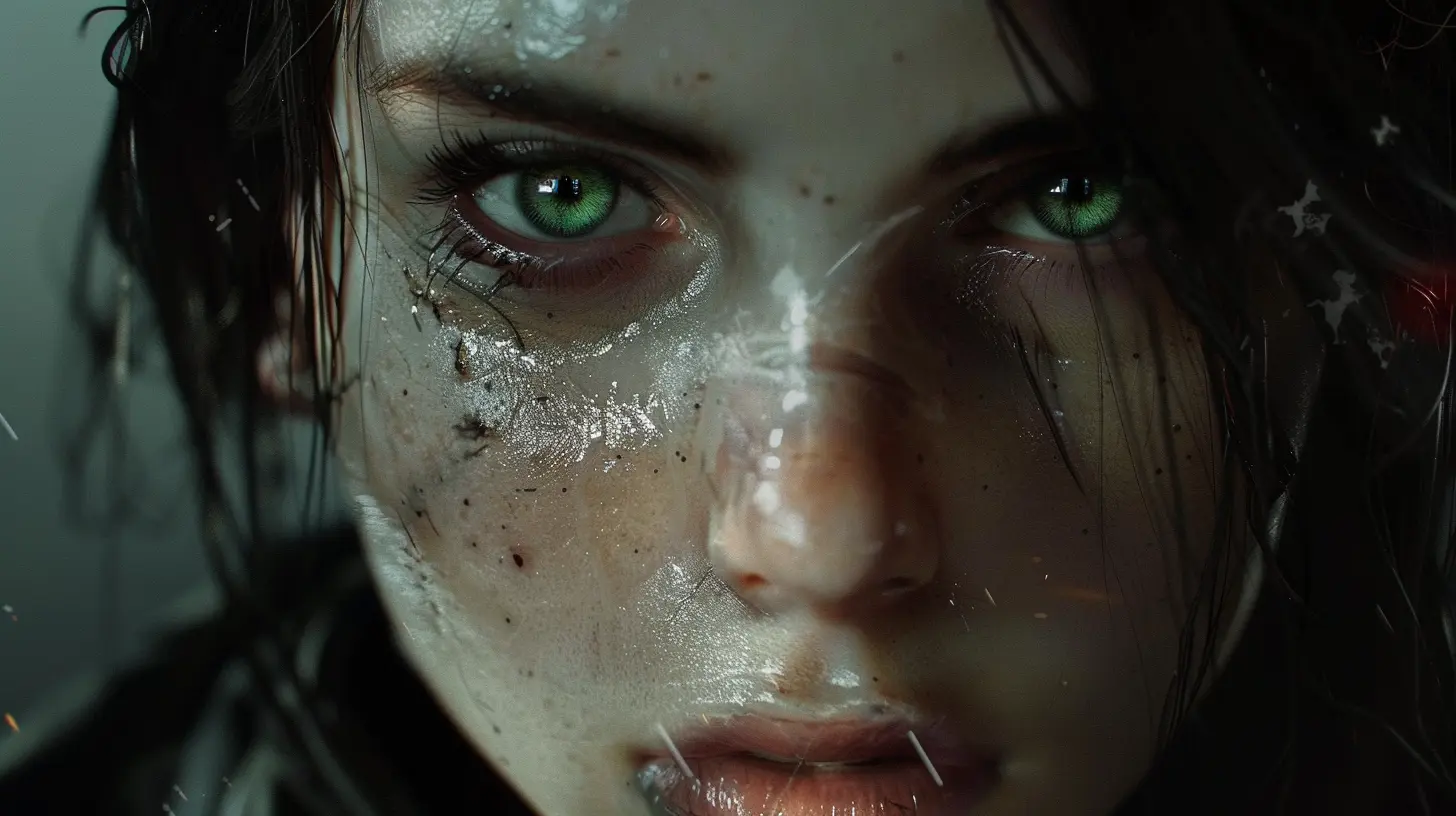
The Future: Are We Close to Breaking the Uncanny Valley?
So, where do we go from here? Are we finally on the verge of leaving the uncanny valley behind for good? Honestly, we're getting pretty close. Each technological leap brings us closer to creating characters that not only look real but feel real too.But here’s the catch: realism isn’t always the endgame. Some developers, like those behind games such as Zelda: Breath of the Wild or Hades, go for a stylized art style that bypasses the uncanny valley entirely. These games prove that you don’t always need photorealism to connect with players.
That said, for games that rely on deeply emotional storytelling or immersive worlds, breaking the uncanny valley is the holy grail. And with tools like performance capture, AI, and hyper-realistic rendering, we’re inching ever closer to that dream.
Wrapping It Up
Breaking the uncanny valley is more than a technological achievement—it’s about creating emotional connections. When we see a character that moves and behaves like us, it draws us into the story in a way that’s almost magical. It makes us care, it makes us feel, and isn’t that why we play games in the first place?Sure, we might not be 100% there yet, but with the pace technology is moving, it’s only a matter of time before we blur the line between virtual and reality. And honestly, I can’t wait to see what’s next.
all images in this post were generated using AI tools
Category:
Realism In GamesAuthor:

Greyson McVeigh
Discussion
rate this article
2 comments
Darby Thornton
This article compellingly explores how advancements in character realism can enhance emotional engagement in games. However, it raises questions about the balance between realism and artistic style, as excessive realism may hinder player connection rather than foster it.
January 30, 2026 at 3:39 AM
Greyson McVeigh
Thank you for your insightful comment! You’re right; striking the right balance between realism and artistic style is crucial for fostering emotional connections in gaming. It's a nuanced challenge that developers must navigate carefully.
Thornefield Jones
Wow, what an exciting read! The advancements in character realism are truly mind-blowing! It’s thrilling to see how far we've come and can’t wait to experience these lifelike characters in games! 🎮✨
January 14, 2026 at 3:20 PM
Greyson McVeigh
Thank you! I'm glad you enjoyed it! It's an exciting time for game development, and I'm thrilled to see where these advancements take us. 🎮✨