Behind the Scenes of Designing a Great Expansion
16 March 2026
Ever wondered what really goes on when studios cook up that next big expansion? You know, the kind that gets the gaming community buzzing, flooding forums with speculations, and igniting countdowns? Yeah—the kind that doesn’t just add content, but actually breathes new life into the game.
Designing a great expansion isn't just slapping on new maps, enemies, or abilities. It’s far more intricate. It’s part storytelling, part puzzle-solving, and a whole lot of late nights. Let’s sneak behind the curtain and peek into what makes these digital worlds grow bigger, better, and bolder.
The Spark: Where the Expansion Begins
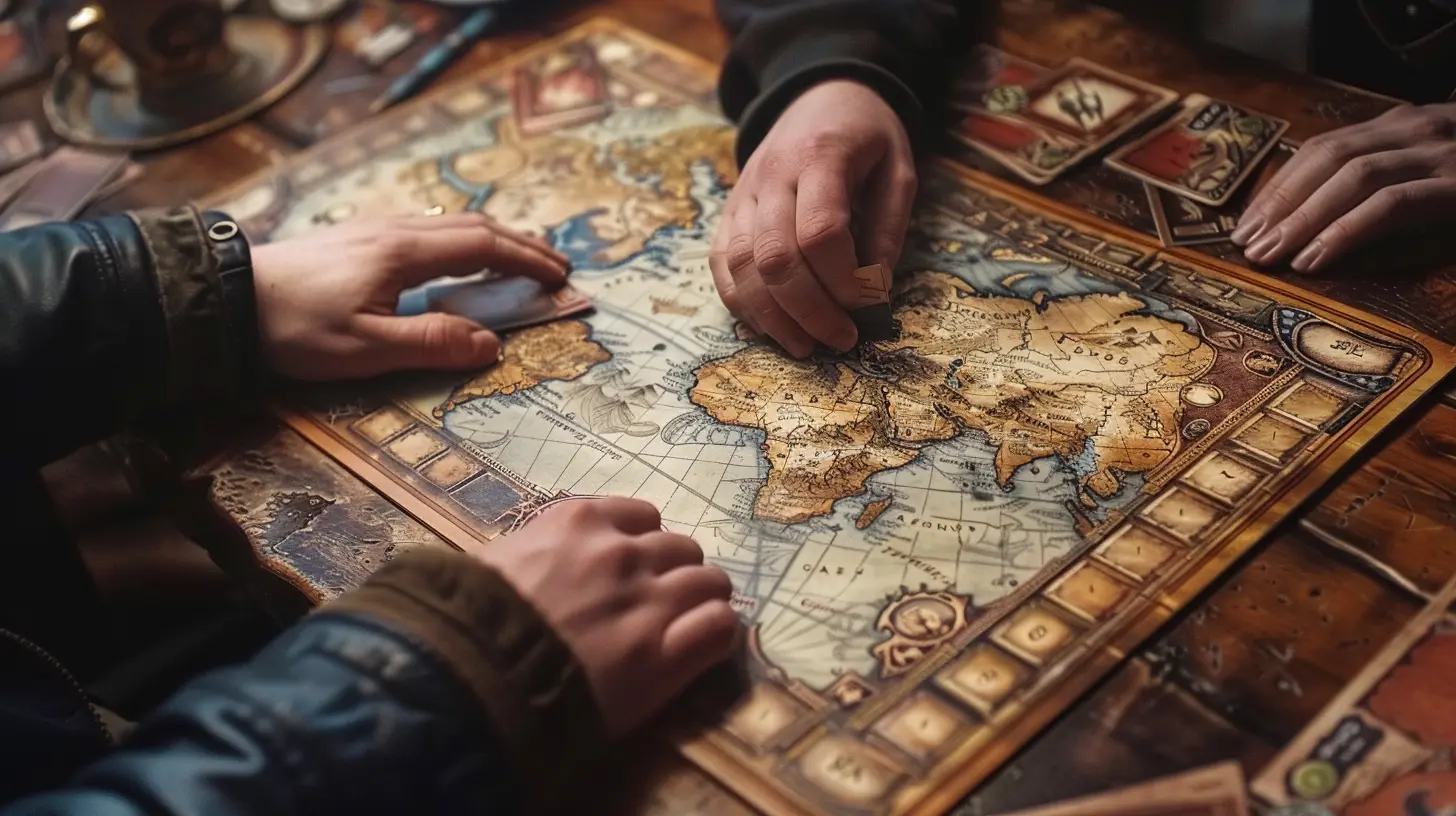
It all starts with one thing: vision.A great expansion needs a solid reason to exist. Not just because players want more stuff, but because the game has more story to tell. Developers sit down—usually in chaotic coffee-filled meetings—and ask, “What do we want the player to feel?” Is it the tension of a new threat? The thrill of exploring virgin territory? Or the satisfaction of mastering new mechanics?
Here’s the catch: expansions can’t just be filler. They have to matter. Players are clever; they’ll sniff out shallow content from miles away. So, a successful expansion begins with purpose. Vision drives everything else—gameplay, art, audio, and even marketing.
The Balancing Act: Innovation vs. Familiarity
Imagine you’re baking your grandma’s famous cookies, but you want to add your own twist. How much do you change before they're no longer "Grandma’s cookies"? This is the exact dilemma devs face.Players crave new stuff, sure. But they also want the same game they fell in love with. If an expansion feels too different, it risks alienating the core fanbase. But if it’s more of the same, it might fall flat.
That’s why dev teams walk a tightrope. They introduce new mechanics that push the boundaries but stay within the frame of the original game—the sweet spot where innovation meets nostalgia.
Think of the “Blood and Wine” expansion for The Witcher 3. It introduced a whole new region, new monsters, new characters—but it still felt like The Witcher. That’s the magic trick.
Mapping the Territory: World-Building and Environment Design
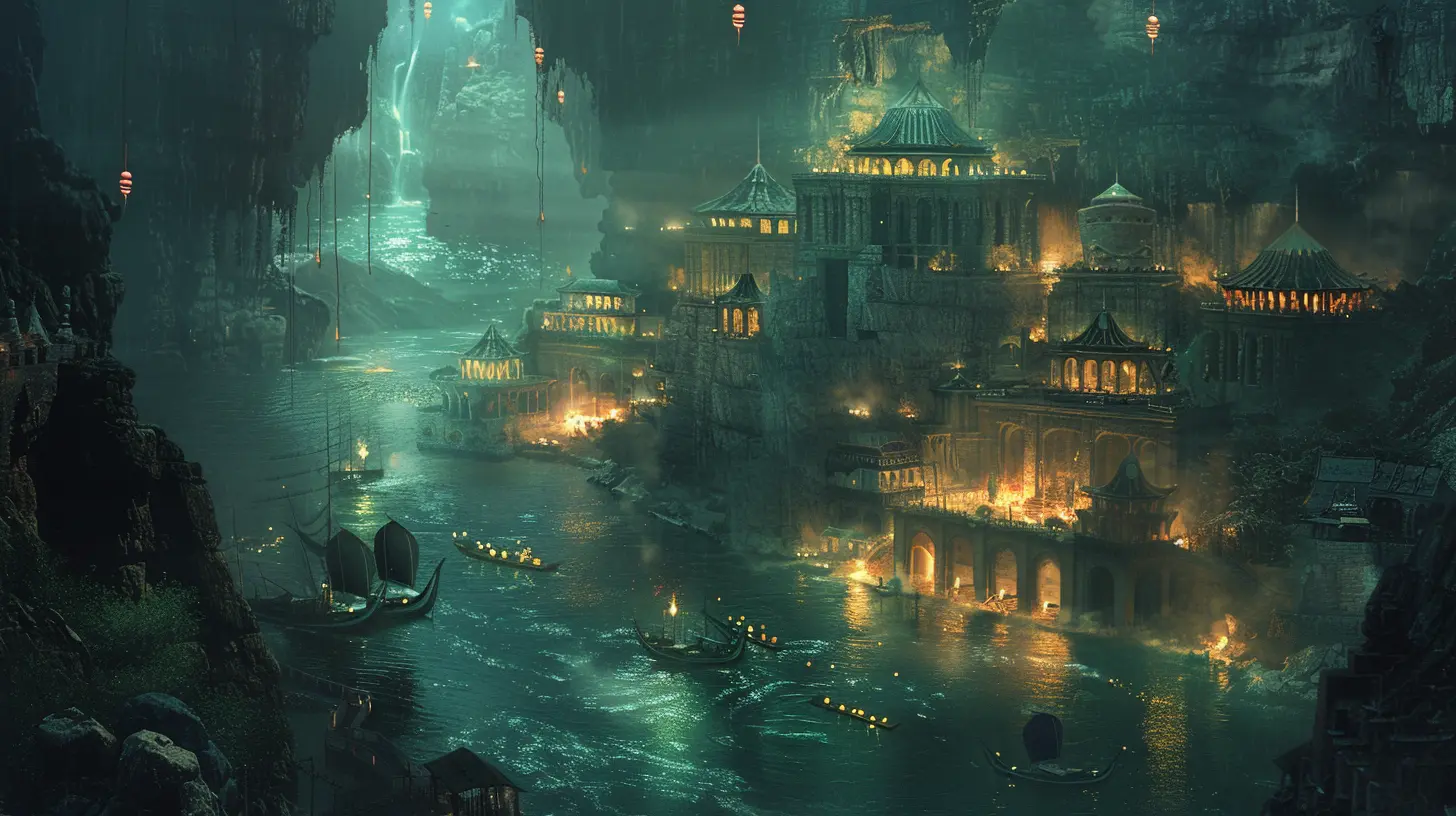
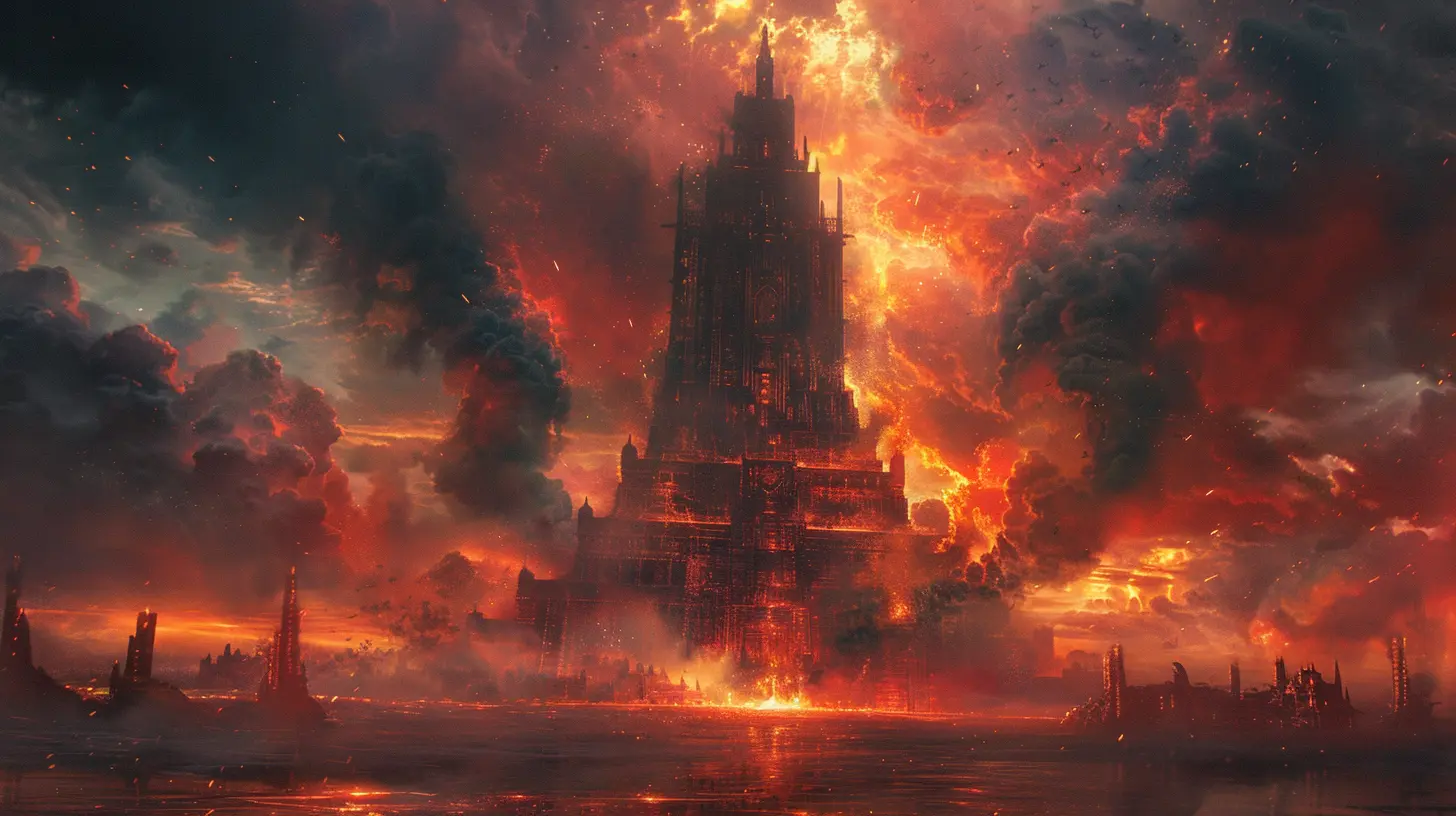
Once the core concept is nailed, it’s time to build the world. Literally.The environment team starts designing the geography: landscapes, interiors, dungeons, cities. Every hill and hallway has to align with gameplay and lore. Nothing is random. If a haunted forest appears in the expansion, you better believe it connects back to the main narrative, even subtly.
Designers often ask, “What story does this location tell when no one’s around?” That’s right—before a single character says a word, the environment should already be telling a tale.
And it’s not just about aesthetics. New terrains must support new mechanics. Introducing vertical combat? Better have enough cliffs and ledges. Want underwater exploration? Time to tweak swimming physics.
Creating a believable, explorable, and exciting world is like knitting a blanket with threads of gameplay, story, and immersion—all woven seamlessly.
Crafting the Core: New Mechanics and Systems
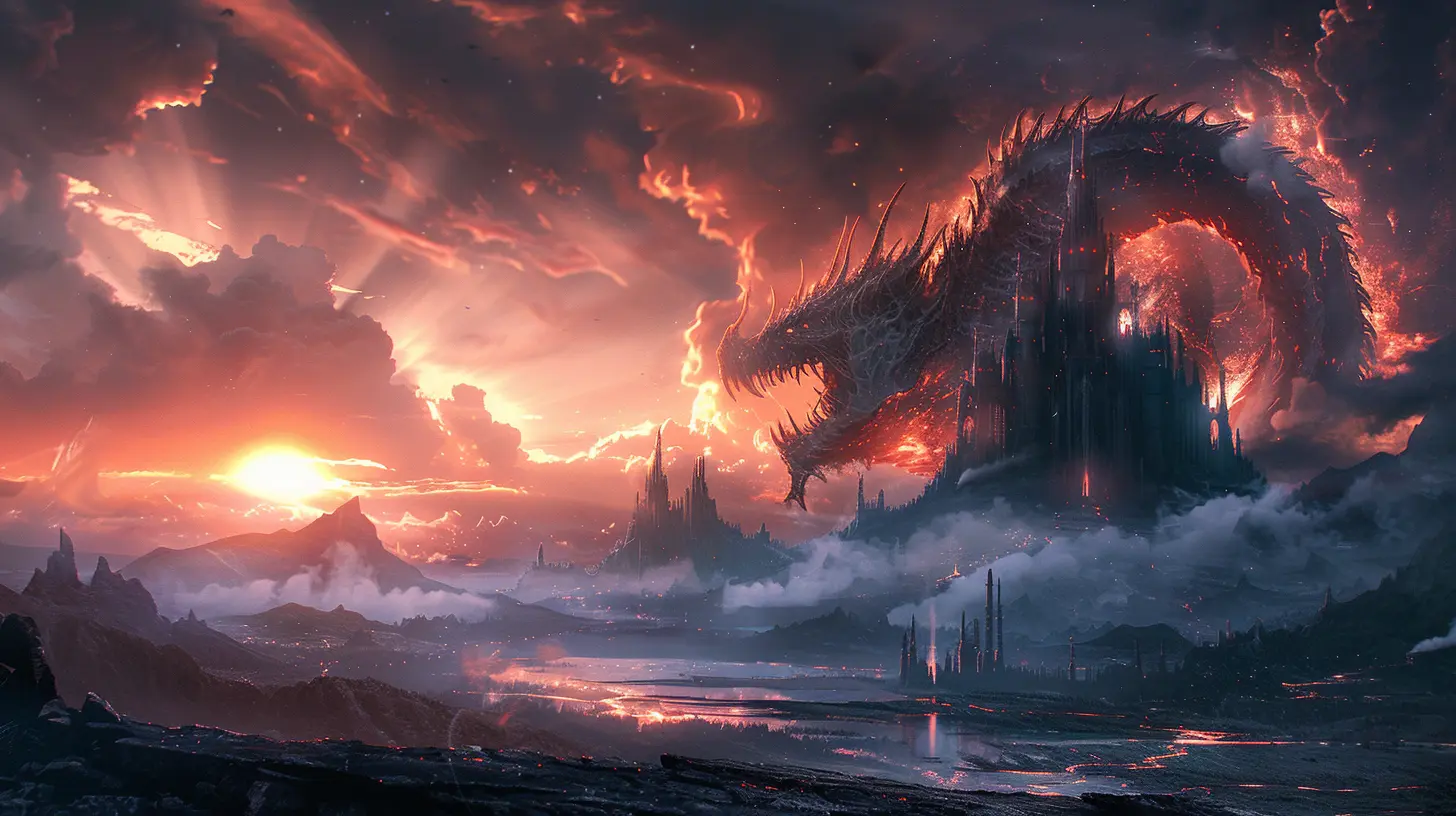
Let’s be honest—new features are what get players hyped.Whether it’s a new skill tree, crafting mechanic, or class system, expansions often introduce something major that changes the way you play. And trust me, it’s no small feat. These mechanics must be intuitive yet deep, fresh but balanced.
Design teams usually prototype these systems months in advance. They build early versions in sandbox environments to see how they feel. Playtesters jump in, break stuff, give feedback, and the cycle repeats—over and over.
And let’s not forget compatibility. Whatever new system is being introduced, it has to fit like a glove with the base game and any previous expansions. Otherwise, you end up with a Frankenstein gameplay experience.
Telling the Tale: Narrative Development
Here’s something many players underestimate—the insane amount of work that goes into storytelling.Expansions often explore side-arcs or take the main narrative in bold new directions. But they have to make sense. If a major character returns from the dead, for instance, it better not happen out of the blue. Writers spend countless hours ensuring the story remains coherent and satisfying.
And it’s not just about the big plot points. Dialogue trees, cutscenes, lore books, audio logs—every little piece contributes to world-building. Narrative designers work with voice actors, animators, and even composers to make scripted moments emotionally impactful.
Ever felt chills during a boss intro? That’s not luck. That’s orchestrated storytelling, baby.
The Grind Before the Grind: Testing and Feedback
Let’s get real—expansions are buggy at first. Always.That’s why the playtesting phase is brutally extensive. Internal QA teams run thousands of hours trying to break everything. They walk through walls, fall through maps, spam new powers in weird situations—just to catch what players might find on day one.
Sometimes whole mechanics get tossed out because they just don’t work. Other times, feedback sparks brilliant improvements that wouldn’t have existed otherwise.
Public testing, like beta weekends or early access programs, plays a huge role too. Developers open the floodgates to a select group of fans and say, “Have at it.” Then they brace for impact.
Music and Mood: Audio Forges Emotion
You ever notice how that eerie background track kicks in just before something heavy goes down? That’s not by chance. That’s the audio team doing their thing.Music and sound design are crucial in pulling players deeper into the world. For expansions, new tracks are tailored to fit the new regions, themes, and emotional tones.
A volcanic level might get a thunderous orchestral piece. A secret underground lab might use subtle, pulsating synths to raise tension. It's all about mood-matching—and when done right, it boosts immersion tenfold.
Player Psychology: Giving Players What They Don’t Know They Want
This part’s wild. Great expansions often succeed by introducing something players didn’t even know they were missing.Maybe it’s a hunting mode that makes players reevaluate how they approach enemies. Or a housing system that suddenly makes farming and resource gathering feel fun. A solid dev team understands player psychology on a deep level. They study behavior, trends, feedback, and sometimes even memes to dial into what players crave subconsciously.
It’s part data science, part art.
The Hype Machine: Marketing and Community Engagement
Once an expansion nears completion, the marketing gears begin to churn.Dev diaries, teaser trailers, countdowns, tweets loaded with cryptic emojis—it's all carefully crafted to spark community discussion. Studios might even leak minor details on purpose just to get eyes on them. (Yeah, not all leaks are accidents.)
But smart studios do more than sell you a product—they sell you a feeling. They make you imagine the possibilities. That unexplored mountain range. That strange riddle whispered in the trailer. That one armor set you caught a glimpse of and now need to unlock.
And let’s not forget partnerships with streamers, YouTubers, and influencers. It’s a full-blown media storm by release day.
Launch Day: The High-Stakes Rollercoaster
The day it all goes live is both exhilarating and terrifying.Developers watch the server dashboards like hawks. Social feeds explode with first impressions. Bugs inevitably surface, and hotfixes deploy within hours. Memes fly, reviews flood in, and everyone’s glued to community forums.
It’s the ultimate stress test. And honestly? It’s beautiful chaos.
Post-Launch: The Real Work Begins
The launch isn’t the finish line. In fact, it’s more like the halfway point.After release, developers monitor player behavior, balance feedback, and patch like mad. They also check what content players skip, what gets repeated, and what causes frustration. This data becomes the blueprint for future expansions.
Some expansions even get their own mini-DLCs or seasonal events, expanding the expansion. Meta, right?
A great dev team sees post-launch not as an end—but as evolution.
Final Thoughts: More Than Just Extra Levels
Behind every jaw-dropping expansion is a team of passionate artists, designers, writers, sound engineers, testers, and marketers grinding away for months (or years). It’s not just about adding more. It’s about making what’s already there better.So the next time you dive into a new expansion and start exploring unknown lands or mastering new skills, just remember: there’s a massive story behind that curtain—and it’s full of sweat, strategy, story arcs, and just a little bit of madness.
Game on.
all images in this post were generated using AI tools
Category:
Game ExpansionsAuthor:

Greyson McVeigh
Discussion
rate this article
2 comments
Lauren Martin
Thank you for sharing this insight! It truly highlights the passion behind great expansions.
March 18, 2026 at 5:08 PM
Greyson McVeigh
I'm glad you found it insightful! Passion really drives the best expansions. Thank you for reading!
Sybil Moore
Fascinating insights into the expansion design process! It's intriguing to see how gameplay balance, storytelling, and player feedback shape new content. Can’t wait to see how these elements will enhance our favorite games in future expansions!
March 18, 2026 at 4:34 AM