Adapting Classic Myths in Game Narratives
5 August 2026
Gaming is more than just dodging bullets, unlocking treasure chests, or grinding levels. Sometimes, it’s about stepping into the shoes of ancient gods, unraveling age-old legends, and feeling the beat of mythic hearts within digital worlds. And let’s be honest—there’s something hypnotic about wielding Zeus’ thunderbolt or navigating a world shaped by Ragnarok’s chaos.
The truth? Classic myths never really get old. They evolve. And video games, with their immersive spaces and narrative freedom, have become the perfect breeding ground for these legendary tales to rise again. So, grab your controller (or keyboard), and let’s dive deep into how developers are breathing new life into ancient lore.
Why Are Myths the Perfect Blueprint for Game Narratives?
Let me ask you this—what’s better than a story that’s already stood the test of time?Classic myths are rich terrains full of gods with human flaws, epic journeys, love, betrayal, and cosmic chaos. They’re melodramatic, moralistic, violent, and often weirdly poetic. Honestly, they’re tailor-made for immersive storytelling. Think about it—heroes with divine burdens, impossible quests, monsters who embody fear itself. Sound familiar?
Games thrive on dramatic tension and complex stakes. And myths? They’ve been doing that since the dawn of storytelling. It’s a match made in digital heaven.
Gods, Monsters, and Mortals: The Perfect Cast
Classical mythology—whether it’s Greek, Norse, Egyptian, or even Mesopotamian—offers a colorful ensemble of characters. And the best part? They aren’t just black and white.Zeus cheats, Loki lies, Anubis judges, and Gilgamesh mourns. These beings are flawed, emotional, and wildly unpredictable. When game developers tap into these characters, they’re not just adding star power—they’re crafting emotionally rich roles that players can relate to (or fear).
And let’s not forget the monsters—Medusa, Fenrir, the Minotaur. Battling these mythical beasts is more than just a boss fight. It’s a confrontation with age-old fears and symbols of chaos.
God of War: The Blueprint of Myth Reimagined
Alright, we can’t talk about adapting myths in games without bowing slightly to God of War—both the original series and the Norse-inspired reboot.Kratos, once a loyal servant of the Greek gods, turns against them in a whirlwind of vengeance. But it’s not just blood and blades. There’s introspection, personal trauma, and a father-son relationship that hits you right in the feels.
In the Norse saga, we see myth adaptation taken to the next level. Characters like Baldur and Freya are given emotional depth, while realms like Midgard and Helheim transform from pages of myth to playable worlds. It’s myth not as a backdrop—but as a living, breathing force shaping choices and destinies.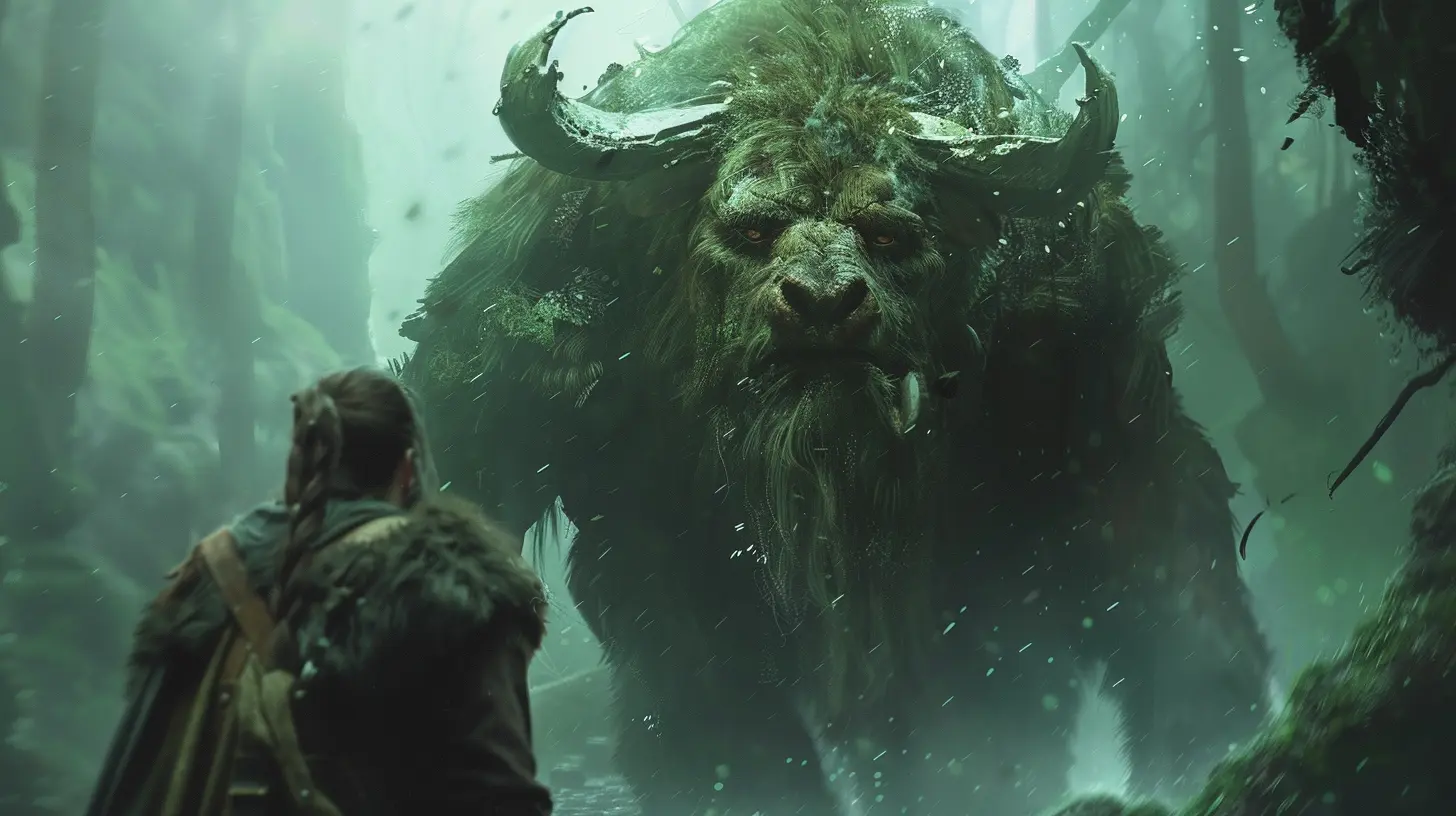
Hades: Dancing with Death and Destiny
Supergiant Games’ Hades isn’t just pretty—it’s poetic. A rogue-like dungeon crawler that’s soaked in Greek mythology, but with a modern twist.You play Zagreus (son of Hades), trying to escape the Underworld. Along the way, you chat with gods like Athena, Ares, and Dionysus who offer "boons" (aka gameplay buffs) and sass. The beauty here? The dialogue is witty, fresh, and rooted in myth but feels alive—like the gods are Instagram influencers battling eternity.
Instead of just retelling myths, Hades reimagines relationships, plays with prophecy, and leans into the cyclical nature of fate. It’s storytelling meets gameplay in perfect, mythic harmony.
Immortals Fenyx Rising: A Lighthearted Take on Olympus
Not every myth adaptation needs to be dark and brooding. Enter Immortals Fenyx Rising—a fun, colorful romp through Greek mythology with a spark of humor.Here, you play as Fenyx, a mortal trying to save the gods from the monstrous Typhon. Guided (and often mocked) by Zeus and Prometheus, the game takes classic tales and sprinkles them with modern sass and comic banter.
The lesson? You can honor myths without being overly serious. Sometimes, flipping the tone creates new layers of engagement.
Beyond Greece: Norse, Egyptian, and Eastern Legends
While Greek mythology often takes the spotlight, developers are now exploring a wider mythological palette. And thank goodness, because every culture has epic stories worthy of a digital stage.- Norse Mythology: Games like Assassin’s Creed Valhalla and Hellblade: Senua’s Sacrifice embrace the frostbitten chaos of Norse lore. From Odin’s secrets to Yggdrasil’s branches, these stories are packed with doom, rebirth, and deep existential dread. Perfect for gritty open worlds and psychological depth.
- Egyptian Mythology: Assassin’s Creed Origins dipped into the sands of time, giving us a peek at gods like Anubis, Ra, and Set. The mysticism, symbols, and burial rituals of ancient Egypt translate beautifully into quests full of intrigue and mystery.
- Eastern Mythology: Titles like Okami (Japanese Shinto myth) and Black Myth: Wukong (based on the Chinese tale "Journey to the West") show that Eastern legends carry just as much punch. The spiritual nuance and surreal imagery open doors to unique gaming experiences.
Each mythos brings its own flavor, rules, and rhythm—and when games tap into that, players get a truly fresh saga worth exploring.
Balancing Lore with Player Agency
Here’s the tricky part: how do you stay true to a myth while giving players the freedom to shape the story?Games are interactive. Stories? Not always.
But great game writing finds a sweet spot. It honors the essence of a myth—its themes, conflicts, moral dilemmas—while letting players steer the journey. Whether it’s choosing dialogue in Mass Effect or altering hero paths in The Witcher, modern games give us the pen to write within mythic lines.
In myth-based games, there’s often room for "What if?" What if Persephone escaped? What if Odin was corrupt? What if Hercules failed? That twist—that space for agency—is where myths truly come alive in games.
Building a Mythical World: More Than Just Aesthetic
It's not just about naming your village "Asgard" or throwing a satyr in the background.World-building is where myth adaptation either soars or flops. The environment, culture, language, and even music should echo the myth’s soul. Think about the eerie whispers in Hellblade, evoking Norse spirits. Or the golden sunsets of Origins, breathing Cairo into your lungs.
Every detail counts. The architecture, the NPC beliefs, the side quests—they all tell the same ancient tale from different angles. When done right, you don’t just play a myth. You live it.
The Archetype Arsenal: Why We Still Crave Hero’s Journeys
Joseph Campbell's "Hero’s Journey" feels like a buzzword in storytelling circles, but there’s a reason it keeps popping up.It works.
Myths gave us those blueprints long ago. And games, being inherently character-driven, love those arcs.
From the unknown call to the triumphant return, every character we play—be it Link, Aloy, or Kratos—follows some echo of Odysseus or Gilgamesh. And whether we realize it or not, our brains click with those patterns. It’s narrative muscle memory.
So when developers adapt myths, they’re not just copying—they’re plugging into an ancient, emotional power grid. It’s why even a sci-fi saga can feel mythic if it follows those same beats.
Challenges of Myth Adaptation in Games
Let’s keep it real—it’s not all epic boss fights and poetic retellings.Adapting myths comes with baggage. First, there’s accuracy. Do you present the myth as it was, or do you remix it? (Cue angry mythology purists.)
Then there’s cultural sensitivity. Treading into indigenous or lesser-known mythologies requires research, care, and respect. A lazy adaptation can easily dip into stereotype or appropriation territory.
Lastly, there’s narrative constraint. Myths weren’t made for joystick navigation. They’re symbolic, messy, and sometimes contradictory. Translating that into player-led paths requires finesse and a serious dose of creativity.
The Power of Myth in Modern Gaming
At the end of the day, myths aren’t just old stories. They’re mirrors—reflecting who we’ve been, who we are, and who we want to be. They give us gods to wrestle with, monsters to conquer, and truths to uncover.In games, those battles become personal. We don’t just hear about Perseus slaying Medusa—we aim the blade. We don’t read about trials—we feel them in our hands, our decisions, our victories.
So whether it’s a triple-A title or a pixelated indie gem, myth-inspired games cast long shadows—and we, as players, walk through them chasing our own legends.
Final Thoughts: Myths Reborn in Pixels
Gaming has become the new Mount Olympus, the new Valhalla, the new Duat. And myths? They’re not relics gathering dust. They’re alive—changing shape with every new game, every new player decision.So the next time you load up a game and find yourself chatting with a god or unlocking a forgotten legend, remember—you’re not just playing. You’re becoming part of a myth that’s still being written.
And who knows? Maybe someday, someone will write a game about you.
all images in this post were generated using AI tools
Category:
Game NarrativesAuthor:

Greyson McVeigh